Navigating the legal system can be daunting, especially when facing imprisonment. One crucial legal tool available to those incarcerated in Georgia is the writ of habeas corpus. This article will explore the intricacies of habeas corpus Georgia, explaining its purpose, process, and limitations. Understanding your rights is the first step towards effective legal action.
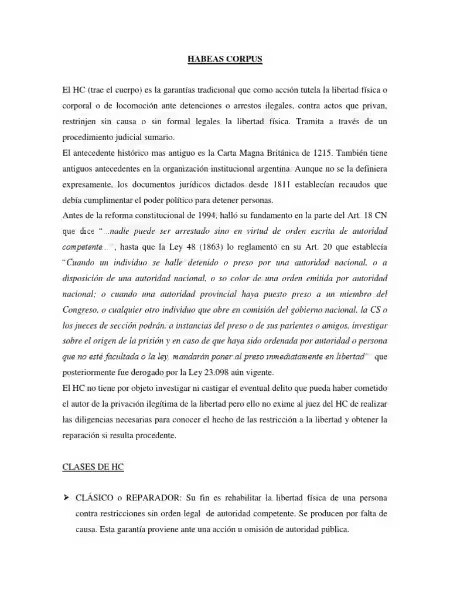
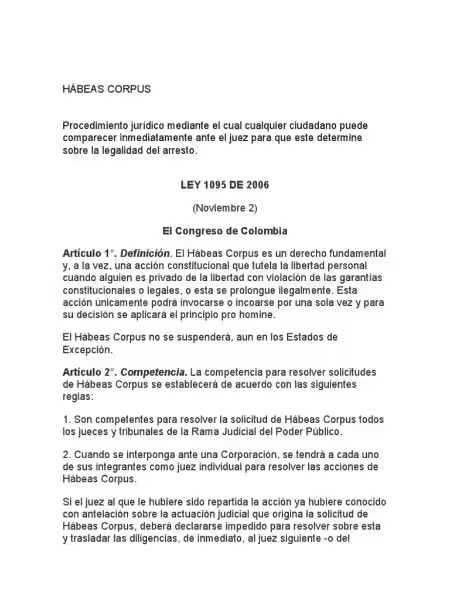
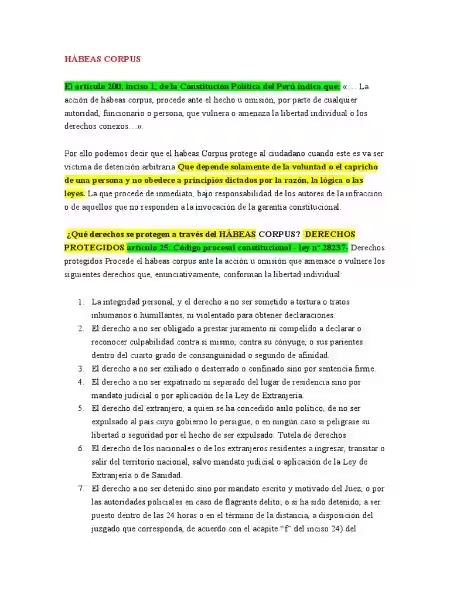
Habeas corpus, Latin for “you have the body,” is a fundamental legal principle ensuring that a person’s imprisonment is lawful. It’s a legal action filed in court to challenge the legality of someone’s detention. This writ demands that the government bring the imprisoned individual before a judge and show just cause for the detention. It’s a vital safeguard against unlawful imprisonment, arbitrary arrest, and governmental overreach.
The writ of habeas corpus doesn’t automatically guarantee release. Instead, it provides a mechanism to examine the legality of the confinement. The court reviews the evidence to determine if there are sufficient grounds for continued detention. If the court finds the detention unlawful, it can order the release of the individual.
Who Can File for Habeas Corpus in Georgia?
In Georgia, as in most jurisdictions, the right to file a habeas corpus petition isn’t limited to those directly imprisoned. A wide range of individuals can file a petition on behalf of someone they believe is being held illegally. This includes:
The incarcerated individual themselves: This is the most common scenario.
Family members: Close relatives, such as spouses, parents, or children, can often file on behalf of the incarcerated person.
Legal representatives: Attorneys can file on behalf of their clients.
Other concerned parties: In certain circumstances, others who have a legitimate interest in the case may be able to file.
The specific qualifications for filing may vary depending on the circumstances of the case and the specifics of Georgia law. It is crucial to seek legal counsel to determine eligibility and to ensure the petition is properly filed.
A successful habeas corpus petition in Georgia hinges on demonstrating a legal flaw in the detention. Common grounds for filing include:
Unlawful arrest: If the arrest lacked probable cause or violated constitutional rights.
Lack of jurisdiction: If the court that issued the detention order lacked the authority to do so.
Violation of due process: If the individual’s rights to a fair trial were violated.
Excessive bail: If the bail amount is unreasonably high.
Illegal sentence: If the sentence imposed is beyond the legal limits.
Improper extradition: If the person was improperly extradited to Georgia.
To successfully challenge the detention, it’s crucial to present compelling evidence demonstrating the illegality of the confinement. Simply claiming unlawful imprisonment isn’t sufficient; concrete evidence is necessary.
The Habeas Corpus Process in Georgia
Filing a habeas corpus petition in Georgia involves several steps:
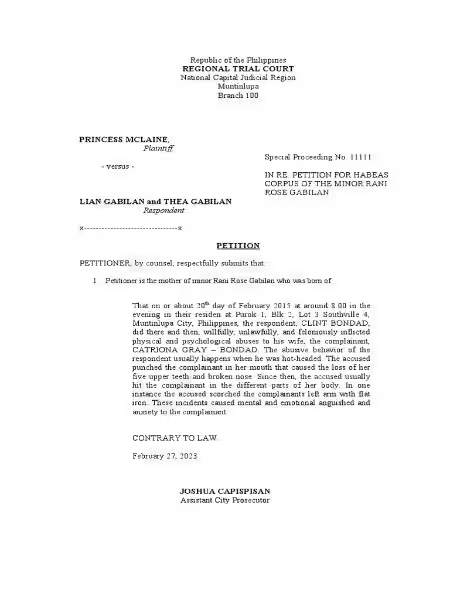
Filing the petition: The petition must be meticulously drafted, outlining the grounds for the challenge and providing supporting evidence.
Service of the petition: The petition must be properly served on the appropriate authorities, typically the warden or the agency responsible for the detention.
Response from the respondent: The respondent (typically the state) must file a response, addressing the allegations in the petition.
Hearing (if necessary): The court may schedule a hearing to consider the evidence and arguments presented by both sides.
Court decision: The court will issue a ruling, either granting or denying the petition. If granted, the court may order the release of the detained individual.
This process can be complex and time-consuming. Legal representation is strongly recommended to navigate the complexities of Georgia’s legal system.
Limitations of Habeas Corpus in Georgia
While habeas corpus is a powerful tool, it has limitations. It primarily addresses the legality of detention, not the guilt or innocence of the accused. A successful petition doesn’t automatically lead to acquittal; it simply challenges the legality of the confinement.
Furthermore, there are time limits for filing a habeas corpus petition in Georgia. These deadlines vary depending on the specific circumstances of the case, and missing these deadlines can severely limit the chances of success. It is therefore imperative to act swiftly and seek legal advice promptly.
Seeking Legal Assistance for Habeas Corpus in Georgia
Given the complexities of habeas corpus law in Georgia, seeking legal assistance is crucial. An experienced attorney can guide you through the process, ensuring your petition is properly filed, your rights are protected, and your arguments are presented effectively. They can also advise you on the viability of your case and help you understand the potential outcomes. Don’t hesitate to seek legal counsel if you believe your detention is unlawful. Your freedom may depend on it.
Remember, a habeas corpus petition is a significant legal action, and proper legal representation can significantly improve your chances of success. Understanding your rights under habeas corpus Georgia is a vital step in ensuring a fair and just outcome.
Since I cannot access external websites or specific legal codes, I cannot provide a factual FAQ section based on the Georgia Code regarding Habeas Corpus. To create an accurate and helpful FAQ, I need the text of the relevant Georgia Code sections on Habeas Corpus.
However, I can provide a sample FAQ section illustrating the type of questions and answers one might expect to find in such a document. Remember, this is for illustrative purposes only and should not be considered legal advice. Always consult with a legal professional for accurate and up-to-date information.
What is Habeas Corpus in Georgia?
Habeas corpus, Latin for “show me the body,” is a fundamental legal right that allows a person to challenge their unlawful detention. In Georgia, as in other jurisdictions, it’s a legal process used to bring a person before a court to determine if their imprisonment or detention is lawful.
Who can file a Habeas Corpus petition in Georgia?
Generally, a person who believes they are being illegally detained can file a habeas corpus petition. This might include someone arrested without probable cause, someone held beyond the legally allowed time for pre-trial detention, or someone who believes their sentence is unlawful. A lawyer can assist in determining eligibility.
What are the grounds for a Habeas Corpus petition in Georgia?
Grounds for filing vary, but typically include claims of illegal arrest, insufficient evidence for detention, violation of due process rights, or unlawful sentencing. The specific grounds must be clearly stated in the petition and supported by evidence.
What is the process for filing a Habeas Corpus petition in Georgia?
The process involves filing a formal petition with the appropriate court, usually a superior court. The petition must contain specific details about the detention, the reasons for challenging it, and supporting evidence. The court will then review the petition and may schedule a hearing.
What happens after a Habeas Corpus petition is filed?
The court will review the petition and may order the respondent (usually the warden or law enforcement agency) to produce the petitioner and show cause why they are being held. A hearing may be held, where evidence is presented and arguments are made. The court will then make a decision on whether the detention is lawful.
What are the possible outcomes of a Habeas Corpus case in Georgia?
The court may dismiss the petition if it finds the detention is lawful. Alternatively, the court may order the release of the petitioner if it finds the detention is unlawful. The court may also order other remedies, such as a new trial or a reduction in sentence.
Where can I find more information about Habeas Corpus in Georgia?
You should consult with a qualified Georgia attorney specializing in habeas corpus cases. They can provide accurate, up-to-date information and guidance specific to your situation. Additionally, researching relevant sections of the Georgia Code (once you obtain the text) will be helpful.
This FAQ is a template; the actual content will depend heavily on the specific wording and details of the Georgia Code on Habeas Corpus. Remember to consult legal professionals for accurate legal advice.
¿Te has preguntado alguna vez cómo actuarías en una situación de peligro real? Un botón de pánico, accesible y fácil de usar, puede ser la diferencia entre una experiencia traumática y una respuesta rápida y eficaz. Este artículo explorará la importancia de los sistemas de botón de pánico, tanto en el ámbito personal como en…
This article explores the landmark Supreme Court case Padilla v. Kentucky, focusing on its implications for non-citizen defendants in the United States. We’ll delve into the complexities of the ruling and its lasting impact on criminal defense strategy. The Core Issue in Padilla v. Kentucky The case of Padilla v. Kentucky (2010) hinges on a…
Have you ever read a book where the mystery isn’t the only captivating element? Julia Phillips’ Disappearing Earth is just such a novel. While centered around the disappearance of two young sisters in the remote Kamchatka Peninsula, its true power lies in the tapestry of interconnected lives it unveils. This article offers a comprehensive Disappearing…
The “If Only He Had Been With Me” series, by Laura Nowlin, promises a deeply moving exploration of loss, faith, and the enduring strength of love. While specific plot details remain undisclosed, the title itself offers a compelling glimpse into the emotional core of the narrative. The recurring question, “What if he had been with…
Are you curious about how to easily connect with Discovery and ask questions? Their new WhatsApp service offers a convenient and secure way to do just that. This article explores the benefits and security features of Discovery’s WhatsApp service, helping you understand how it works and what measures are in place to protect your privacy….
Choosing the right fabric is crucial for any sewing project, whether you’re crafting a breezy summer dress or a cozy winter quilt. The vast array of options available can be overwhelming, so understanding the key features and qualities of different fabrics is essential. This article explores the world of modern domestic fabrics, focusing specifically on…