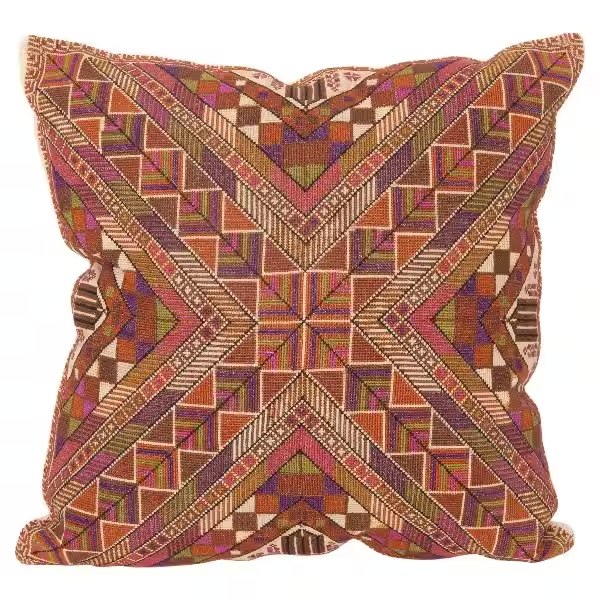
Iranian traditional clothing boasts a history as rich and vibrant as the country itself. For centuries, garments have served not merely as functional items but as powerful symbols of social status, regional identity, and cultural heritage. This article delves into the captivating world of Iranian attire, exploring its evolution through time and the diverse regional variations that continue to thrive today.
A Journey Through Time: Achaemenid to Qajar and Beyond
The history of Iranian clothing is a fascinating narrative woven through millennia. The Achaemenid Empire (550–330 BC), a period of great power and influence, laid the foundations for many enduring aspects of Persian dress. Clothing during this era was highly stratified, reflecting the wearer’s social standing and geographical origin.
The pleated robe, a garment common to both men and women, was a key element. Constructed from a rectangular piece of fabric, its pleats and draping varied depending on the occasion and the individual’s status. The type of fabric—silk, linen, or wool—and color held profound significance, with purple reserved exclusively for royalty. Headwear similarly reflected social hierarchy, from simple headbands for soldiers to the elaborate mitra, a tall cylindrical headdress worn by the elite. The influence of Median attire, including garments like the candys (a full-length cloak), sarapis (a tunic), and shalwar (trousers), was also significant, often worn alongside distinctively Persian clothing.
Fast forward to the Qajar period (1785-1925), a time marked by a complex interplay between traditional styles and the burgeoning influence of Western fashion. This era saw the layered elegance of men’s clothing, featuring garments like the qabā (a long, tunic-like coat), jobbeh (a loose, baggy robe), sardari (a pleated robe), and abā (a loose cloak). The kolāh, a tall felt hat, initially made of fine lambskin for the upper classes, became a potent symbol of Iranian identity, though its height gradually diminished under Western influence.
Women’s fashion in the Qajar period showcased a similar blend. While traditional styles like the arkhaligh persisted, European-style dresses and trousers gained traction among the urban elite. The use of precious gems, pearls, and intricate embroidery remained a hallmark of royal and noble attire, highlighting the enduring value placed on craftsmanship and ornamentation.
The Impact of Westernization
The gradual adoption of Western clothing styles marked a significant turning point in Iranian fashion history. Beginning with Abbas Mirza’s military reforms during the Qajar era, simpler, more practical uniforms inspired by European styles were introduced. This shift sparked considerable debate, with conservatives resisting the perceived abandonment of traditional garments.
While Western-style coats and trousers gained popularity among the urban elite and military, the clergy steadfastly maintained traditional attire—the qabā, abā, and ammama—as powerful symbols of religious and cultural identity. This resistance underscores the deep-seated connection between clothing and cultural preservation. The adoption of Western styles was not a uniform process; it was a gradual assimilation, contested and shaped by diverse social and political forces.
Regional Variations: A Tapestry of Styles
Iran’s rich ethnic diversity is vividly reflected in its regional variations of traditional clothing. While a national dress code exists, it coexists with a multitude of distinct styles. In major cities like Tehran, modern fashion trends hold sway, but in rural areas, traditional attire remains deeply rooted, showcasing centuries of artistic skill and cultural expression.
Exploring Fifteen Regional Styles
Let’s explore fifteen examples highlighting the diversity of Iranian traditional clothing:
Baluch: Loose shalwar kameez (trousers and tunic) for both sexes, with women adding embroidered gowns, head coverings, and elaborate jewelry.
Gilan: Women wear pleated shirts over embroidered vests and long skirts, while men prefer a more subdued palette of black and white with pops of color.
Shiraz: Known for its use of Khus (silver-tissue cloth), particularly in women’s scarves and bridal wear. Men’s attire is elegant, featuring long shirts, dark pants, and silk robes.
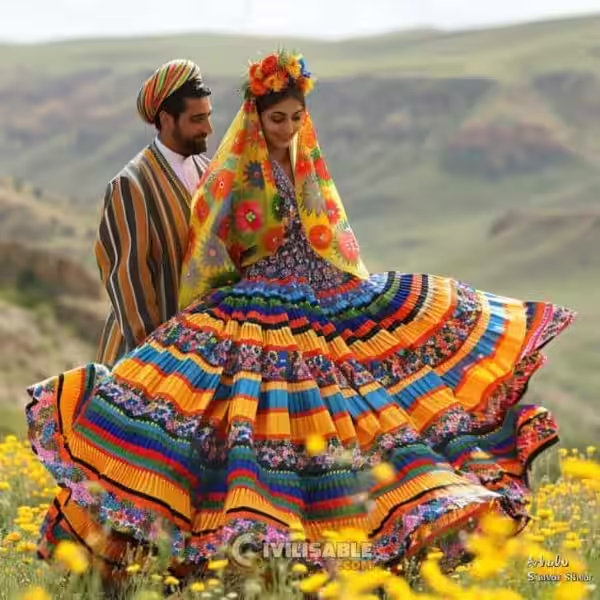
Abyaneh: Characterized by vibrant colors and floral patterns, particularly in women’s clothing, which avoids black and incorporates elaborate head coverings.
Hormozgan: Designed for warm climates, women’s clothing utilizes soft fabrics and intricate needlepoint.
Kurdish: Features loose-fitting garments with broad belts for both sexes, often adorned with coins, jewels, and distinctive hats.
Ilam: Women’s clothing centers on the golvani, a silk scarf, while men wear kelaw and lacheg (cotton headgear).
Azerbaijan: Traditional attire varies by age and marital status, with the Chadra veil commonly worn.
Bushehr: Women’s clothing is dark-colored, featuring long dresses, a face mask, Chit pants, and Kush shoes.
Bakhtiari: Adaptable to harsh climates, women wear layered, colorful skirts and vests, while men wear tunics, wide pants, and wool skullcaps.
Qashqai: Women wear voluminous, multi-layered skirts and distinctive headscarves, while men wear long cloaks and felt caps.
Mazandaran: More subdued, women wear black pants under short skirts with embroidered tops, while men favor simple white shirts and vests.
Turkmen: Earthy tones prevail, with women often partially covering their faces and men wearing wool caps.
Lur: Women favor bright colors and striped pants cuffs, while men wear neutral tones, black felt caps, and white shawls.
Khorasan: Showcases a diverse range of styles reflecting its multiple ethnic groups.
These examples only scratch the surface of the immense diversity found within Iranian traditional clothing. The fabrics used, often wool for colder regions and cotton for warmer ones, further reflect the practical considerations of the environment.
The enduring legacy of Iranian traditional clothing lies not just in its historical significance, but in its vibrant present. It continues to be a potent symbol of identity, a testament to the enduring power of cultural heritage, and a source of inspiration for both traditional artisans and contemporary designers. Understanding the rich history and regional variations of Iranian traditional clothing offers a deeper appreciation for the country’s cultural tapestry.
Frequently Asked Questions about Iranian Traditional Clothing
What are the historical periods that most significantly influenced Iranian traditional clothing?
Iranian traditional clothing boasts a rich history, with the Achaemenid period (550-330 BC) and the Qajar period (1785-1925) being particularly influential. The Achaemenid era saw the development of stratified clothing styles reflecting social status, with garments like pleated robes and specific headwear indicating rank. The Qajar period witnessed a blend of traditional styles with growing Western influence, introducing garments like the qabā and kolāh, while also seeing the adoption of some Western-style clothing among the urban elite. The intervening periods also contributed to the evolution of these styles.
What were some key garments of the Achaemenid period?
The Achaemenid period featured the pleated robe as a central garment for both men and women, with the color and fabric (silk, linen, wool) denoting social standing. Purple was reserved for royalty. Headwear varied widely, from simple headbands for soldiers to the elaborate mitra for royalty. Median influence was also strong, with garments like the candys (cloak), sarapis (tunic), and shalwar (trousers) commonly worn. Head coverings like the bashliq and kurpasa were also prevalent.
What are some characteristic garments of the Qajar period?
The Qajar era saw a layering of garments for men, including the qabā (long tunic-like coat), jobbeh (loose robe), sardari (pleated robe), and abā (cloak). The kolāh, a tall felt hat, became a symbol of Iranian identity. Women’s clothing included the chador, alongside more traditional styles like the arkhaligh. However, Western influences led to the adoption of European-style dresses and trousers by some urban elites. Intricate embroidery and the use of gems and pearls remained hallmarks of royal and noble attire.
How did Westernization impact Iranian traditional clothing?
Westernization gradually impacted Iranian clothing, starting with Abbas Mirza’s military reforms during the Qajar period. These reforms introduced simpler, more practical uniforms inspired by European styles. This led to a debate, with some resisting the abandonment of traditional garments. While Western-style coats and trousers became common among the urban elite and military, traditional attire, particularly among the clergy, remained a strong symbol of religious and cultural identity. The impact of Westernization varied across social groups and regions.
What is the significance of regional variations in Iranian clothing?
Iran’s diverse ethnic groups maintain distinct traditional clothing styles, reflecting regional customs and histories, even with a national dress code. While major cities like Tehran show more modern fashion influence, traditional attire persists, especially in rural areas, demonstrating rich artistic craftsmanship. These regional variations showcase a rich tapestry of cultural expression across the country. The materials used, such as wool and cotton, often reflect the local climate.
Are there examples of specific regional clothing styles?
Yes, many regions have unique styles. For example, the Baluch people wear loose shalwar kameez; Gilan features pleated shirts and embroidered vests for women; Shiraz is known for its use of Khus (silver tissue); Abyaneh is characterized by its vibrant colors and floral patterns; and the Bakhtiari adapt layered clothing for harsh climates. Other regions like Hormozgan, Kurdish, Ilam, Azerbaijan, Bushehr, Qashqai, Mazandaran, Turkmen, Lur, and Khorasan all have distinct styles reflecting their unique cultural histories and environmental conditions. These styles often include distinctive head coverings, accessories, and embellishments.
What materials are commonly used in Iranian traditional clothing?
Common materials include wool, often used in colder climates, and cotton, favored in warmer regions. Silk was also historically significant, particularly for those of higher social standing. The use of specific materials could also be regionally influenced.
Where can I learn more about specific regional variations?
Further research into the individual ethnic groups and regions of Iran will provide more detailed information on their unique traditional clothing styles. Academic journals, ethnographic studies, and visual resources (such as photographs and illustrations) would be valuable sources.
Finding the right volunteer opportunity can feel overwhelming, especially in a vibrant city like Oakland. With so many organizations needing help, knowing where to start your search for volunteer opportunities Oakland CA can be challenging. This guide will help you navigate the process, offering tips and focusing on the importance of finding a good fit…
Are you planning an event in Charlottesville and considering Common House as your venue? Or perhaps you’re a visitor with allergies and want to know what to expect when dining out? This article will explore the aspects of Common House, a popular Charlottesville venue, while also addressing important considerations regarding common allergens and food safety….
Finding the perfect t-shirt can be surprisingly difficult. But what if you could find a shirt that not only looks great but also reflects your personality and supports a great cause, all while offering exceptional customer service? This article explores the world of personalized “service human” shirts, highlighting the key features that make them a…
Parenting is an incredibly rewarding journey, but it’s also undeniably challenging. Moments of stress are inevitable, but when those moments become overwhelming and constant, it’s crucial to seek support. This article explores the vital role of parental stress lines and similar resources, highlighting their accessibility and the benefits they offer. The Importance of a 24/7…
Finding new homes for old household items, especially linens like sheets and towels, is a responsible and often rewarding act. Knowing where to donate sheets and other textiles can help minimize textile waste and support worthy causes. This comprehensive guide will walk you through the various options available, from large national organizations to local charities,…
Landing your dream project management role hinges on effectively showcasing your skills. This article will guide you through identifying, quantifying, and presenting your project manager resume skills to attract recruiters and hiring managers. We’ll cover both the hard and soft skills necessary for success, and how to best present them on your resume. Hard Skills:…