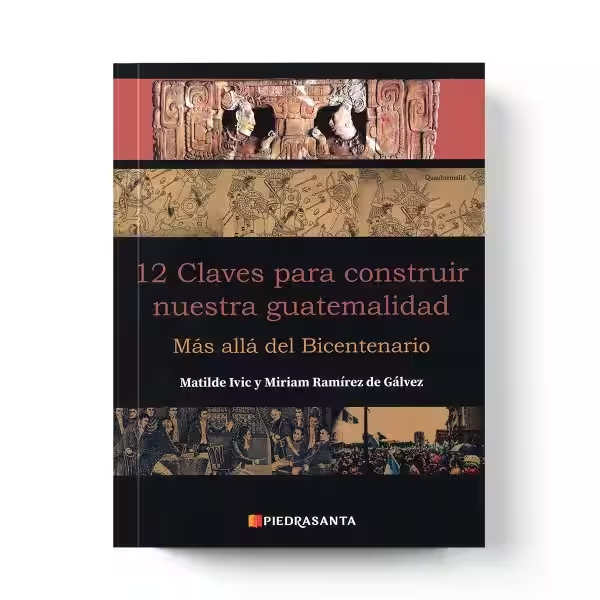
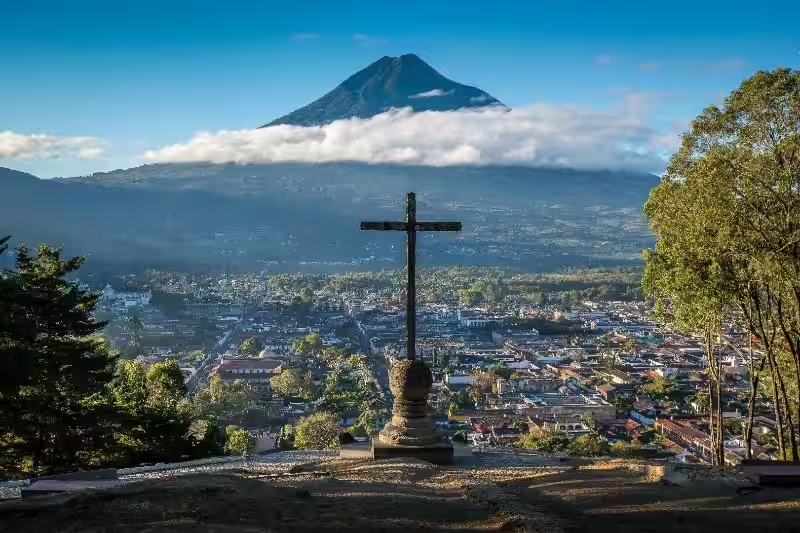
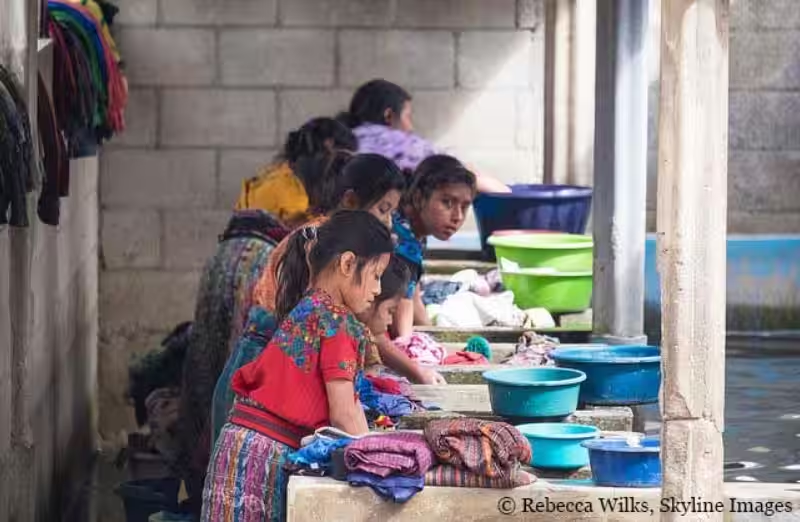
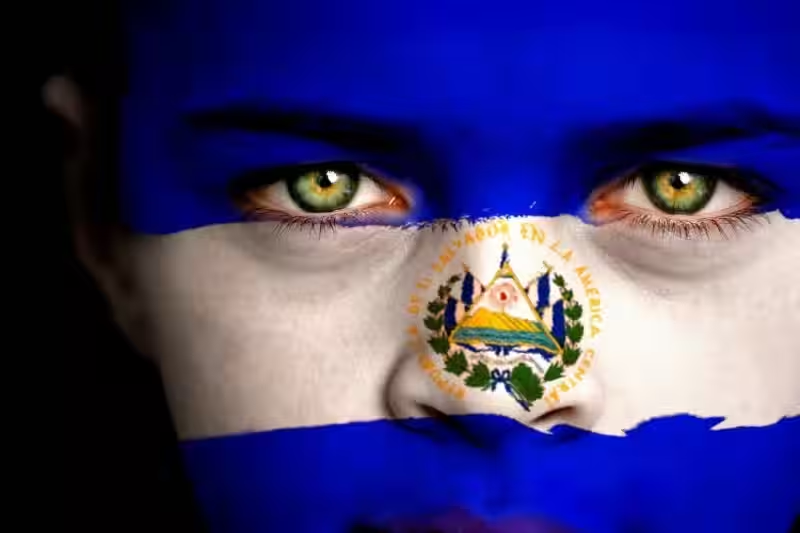
What does it truly mean to be Guatemalan? This question leads us to explore guatemalidad, a term that encapsulates the complex tapestry of Guatemalan identity, history, and culture. It’s more than just a simple descriptor; it’s a multifaceted concept that reflects the country’s unique blend of indigenous heritage, colonial past, and contemporary struggles.
A Nation Forged in Diversity: The Roots of Guatemalidad
Guatemala’s story begins long before the arrival of Europeans. Evidence of human settlement dates back at least 12,000 years, with maize cultivation beginning around 3500 BC. The Mayan civilization, flourishing for centuries, left an indelible mark on the landscape and culture, with magnificent archaeological sites like Tikal standing as testaments to their advanced civilization. This rich pre-Columbian heritage forms a crucial foundation of guatemalidad.
The arrival of the Spanish in the 16th century dramatically altered the course of Guatemalan history. The colonial period, lasting for centuries, profoundly impacted the country’s social structure, language, and religious practices. The fusion of Mayan and Spanish cultures – a process neither peaceful nor equal – is a key element woven into the fabric of guatemalidad. The impact of this colonial legacy is still visible today in the country’s architecture, traditions, and even its language.
The Legacy of Conflict and Resilience
The 19th and 20th centuries were marked by significant political instability, including dictatorships and a brutal 36-year civil war (1960-1996). This conflict inflicted immense suffering, particularly on the Mayan population, who were subjected to genocide. The scars of this war remain deeply embedded in the Guatemalan psyche, shaping perceptions of guatemalidad and contributing to contemporary social and political challenges.
Despite the hardships, the Guatemalan people have demonstrated remarkable resilience. The 1996 peace accords, while not a complete solution, marked a crucial turning point, ushering in a period of relative stability and democratic elections. This capacity for resilience in the face of adversity is another important facet of understanding guatemalidad.
The Many Faces of Guatemalidad: Culture, Identity, and Society
Guatemalidad is not a monolithic concept. It encompasses a diverse range of expressions, reflecting the country’s rich cultural mosaic.
The vibrant Mayan culture remains a significant part of Guatemalan life. Traditional clothing, languages, and spiritual practices are still practiced throughout the country, showcasing a dynamic interplay between indigenous heritage and modern influences. This ongoing dialogue between tradition and modernity is a crucial aspect of guatemalidad. The preservation and revitalization of Mayan languages and customs are critical to understanding the fullness of this identity.
A Tapestry of Expressions
Guatemalidad is expressed in many ways:
Art and Crafts: From the intricate textiles of the highlands to the vibrant marimba music, artistic expression plays a vital role in reflecting the nation’s identity.
Gastronomy: The diverse culinary landscape of Guatemala, influenced by Mayan and Spanish traditions, offers a delicious exploration of guatemalidad.
Language: The official languages, Spanish and several Mayan languages, reflect the linguistic diversity that characterizes the nation.
Social Values: Concepts of community, family, and respect for elders are often cited as core elements of Guatemalan social fabric.
Challenges and Transformations
Despite its richness, guatemalidad is not without its complexities. The country continues to grapple with significant socioeconomic challenges, including poverty, inequality, and corruption. These issues influence how guatemalidad is perceived and experienced by different segments of the population. Understanding these challenges is crucial to having a complete picture of what it means to be Guatemalan.
Guatemalidad in the 21st Century: Looking Ahead
The concept of guatemalidad is constantly evolving. As Guatemala navigates the complexities of the 21st century, the definition of what it means to be Guatemalan continues to be shaped by ongoing social, political, and economic transformations. The ongoing efforts to address historical injustices, promote reconciliation, and build a more equitable society are all integral parts of this evolving understanding.
The future of guatemalidad will depend on the success of initiatives aimed at strengthening democratic institutions, fostering economic opportunities, and promoting social inclusion. Addressing issues like corruption, inequality, and violence is paramount to building a more inclusive and just society, one that truly reflects the rich diversity and resilience of its people. Understanding guatemalidad is, therefore, not simply an academic exercise but a crucial step in understanding the journey of this remarkable nation.
Guatemalidad: Frequently Asked Questions
What is Guatemalidad?
Guatemalidad is a relatively recent term, a neologism, that encapsulates the essence of being Guatemalan. It’s not simply “Guatemalan-ness,” but a complex concept encompassing the unique blend of cultural, historical, and social elements that define Guatemalan identity. It reflects a multifaceted tapestry woven from indigenous heritage, Spanish colonial influence, and the nation’s ongoing socio-political realities. This makes it distinct from the identities of neighboring Central American countries.
What are the historical roots of Guatemalidad?
Understanding Guatemalidad requires acknowledging Guatemala’s rich and often turbulent history. The Mayan civilization’s profound legacy is a cornerstone, evident in surviving archaeological sites and continuing cultural practices. The Spanish conquest and subsequent colonial period dramatically reshaped Guatemalan society, leaving an enduring mark on language, religion, and social structures. The 19th and 20th centuries witnessed periods of instability, dictatorship, civil war, and ultimately, a struggle for peace and democratic governance. Each of these historical epochs has contributed to shaping the contemporary understanding of Guatemalidad.
How is Guatemalidad expressed in Guatemalan culture?
Guatemalidad finds expression in various aspects of Guatemalan culture. This includes the vibrant traditions and customs of its diverse indigenous communities, the unique artistic expressions reflecting both Mayan and Spanish influences, the nation’s distinctive culinary traditions, and the resilience and strength demonstrated by its people in the face of adversity. It’s visible in the colorful textiles, the heartfelt music, the strong family ties, and the enduring spirit of community, even amid social challenges.
What are some examples of Guatemalidad in everyday life?
Guatemalidad isn’t confined to grand narratives; it’s woven into the fabric of daily life. A simple act of sharing a meal, participating in a traditional celebration, or engaging in community initiatives can all embody Guatemalidad. The way Guatemalans interact with each other, their sense of community, their resilience in the face of hardship, and their deep connection to their land and history are all facets of Guatemalidad in action. It’s also evident in the country’s ongoing efforts to reconcile its past and build a more equitable future.
How does Guatemalidad relate to the country’s socioeconomic challenges?
Guatemala faces significant socioeconomic challenges, including poverty, inequality, and corruption. Guatemalidad, however, is not immune to these realities. Instead, it often reflects the ongoing struggle to overcome these obstacles and build a more just and prosperous society. The concept can be viewed as both a source of strength and resilience for the Guatemalan people, and also a critical lens through which to examine the ongoing challenges in creating a truly inclusive national identity. Discussions about Guatemalidad often involve grappling with issues of social justice and equity, acknowledging the historical injustices that continue to shape the nation.
Is there a single, universally accepted definition of Guatemalidad?
No, there’s not a single, universally agreed-upon definition of Guatemalidad. Its meaning is fluid and contested, reflecting the diverse perspectives and experiences of Guatemalans themselves. Different social groups may interpret and apply the term differently, depending on their backgrounds, beliefs, and political viewpoints. This diversity of interpretations is itself a significant aspect of the ongoing evolution of Guatemalidad as a concept. The ongoing dialogue and debate surrounding its meaning is as important as any singular definition.
Are you ready to test your knowledge of the U.S. Constitution? Taking an amendment quiz is a great way to solidify your understanding of this vital document. This article will focus specifically on the often-overlooked 27th Amendment, exploring its history, implications, and significance, preparing you for any amendment quiz you might encounter. The 27th Amendment:…
This article explores the potential behind a website, just stand.org (a hypothetical website for this example, as there is no existing website with that URL). We’ll delve into what such a site could offer, focusing on providing resources and information to help individuals discover their values, form strong opinions, and communicate effectively. We’ll imagine just…
A career as a Charge Entry Specialist offers a blend of analytical skills, medical knowledge, and meticulous attention to detail, making it a rewarding yet demanding profession in the healthcare industry. If you’re detail-oriented, enjoy working with data, and have a knack for problem-solving, this role might be perfect for you. But what exactly does…
Vasco International, established in 2017, has rapidly become a significant player in the global packaging and aluminum extrusion industry. This article explores their comprehensive service offerings, commitment to quality, and the factors contributing to their success. We’ll examine how Vasco International stands out in a competitive market and what makes them a valuable partner for…
Landing your dream job as a Communications Director requires a compelling resume that showcases your skills and achievements. This guide will help you craft a communications director resume that stands out from the competition and effectively communicates your value to potential employers. Many professionals wonder how to best present themselves, and this guide addresses those…
Determining the value of oil rights is a complex question with no simple answer. Unlike houses, there isn’t a readily available online resource that provides a precise figure. The worth of these rights fluctuates dramatically based on a multitude of factors, making a general statement almost impossible. This article will delve into the key elements…