Choosing the perfect accessory can elevate any outfit, and the Persian scarf offers a unique blend of artistry, history, and modern style that’s hard to resist. More than just a piece of fabric, a Persian scarf is a wearable piece of art, a tangible link to centuries of rich cultural heritage. This guide delves into the world of Persian scarves, exploring their diverse styles, design elements, materials, and modern interpretations.
Persian scarves boast a rich tapestry of traditional styles, each with its own unique story. The artistry and craftsmanship behind these scarves are truly remarkable, reflecting the dedication and skill of Iranian artisans.
One prominent style is the Qajar scarf. Originating from the Qajar era (1785-1925), these scarves often feature luxurious fabrics like silk or cotton, adorned with timeless motifs. Look for classic designs like the Boteh-Jegheh (a stylized leaf or flame symbolizing life and growth), intricate floral arabesques, and geometric patterns that reflect the era’s artistic sensibilities. These timeless designs bring a touch of elegance and history to any attire.
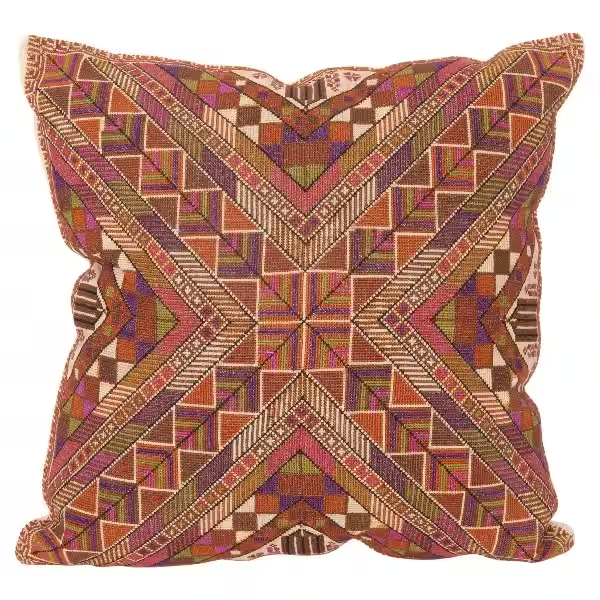
Another captivating style is the Baluchi scarf, hailing from the Sistan and Baluchestan provinces. Known for their vibrant embroidery and intricate needlework, these scarves showcase the rich artistic traditions of the Baluchi community. The bold colors and detailed stitching tell stories of their cultural heritage. The designs are often more geometric and bold compared to the softer floral motifs of the Qajar style.
Finally, Persian rug design scarves offer a unique wearable art form. These scarves mirror the intricate patterns and colors of traditional Persian carpets, bringing the beauty and artistry of these iconic rugs to a more accessible and wearable format. The complex designs and rich colors make these scarves truly stunning pieces.
Several recurring design elements contribute to the distinctive aesthetic of Persian scarves. Understanding these motifs adds another layer of appreciation for the artistry involved.
The ubiquitous Boteh-Jegheh motif, that stylized leaf or flame, is a central symbol representing life’s continuous cycle, growth, and renewal. Its presence instantly identifies a scarf’s Persian heritage.
Eslimi and floral designs, inspired by Iranian art and architecture, create a harmonious and elegant visual appeal. These swirling, organic lines often intertwine with floral patterns, reflecting the beauty and balance found in nature.
Tilework patterns, inspired by ancient Iranian tile art, are characterized by intricate arabesques and geometric motifs. These patterns showcase the enduring link between Iranian fashion and its rich historical artistry. The precision and symmetry in these patterns are a testament to the skill of the artisans.
Materials and Craftsmanship: A Legacy of Quality
The superior craftsmanship and high-quality materials used in Persian scarves are hallmarks of their enduring appeal.
Persian silk scarves, in particular, offer an unparalleled luxurious feel and elegant drape. The use of silk, cotton, and other fine fabrics underscores the dedication to quality and the lasting value of these pieces. The luxurious feel against the skin adds to the overall experience of wearing a piece of this rich heritage. The quality of the materials and the precision of the craftsmanship ensure that these scarves are not only beautiful but also durable.
Each scarf represents a tangible piece of Iranian culture and artistic heritage. The intricate patterns and motifs speak volumes about the country’s history and beliefs, making each scarf a unique and meaningful treasure.
Modern Interpretations: Tradition Meets Contemporary Style
While deeply rooted in tradition, Persian scarves also embrace modern interpretations. This fusion of heritage and contemporary design ensures that these scarves remain relevant and appealing to a wide range of tastes.
Persian square scarves, for instance, offer versatility and are often adorned with contemporary patterns such as Persian calligraphy or updated tilework designs. Their adaptability makes them ideal for a range of styles and occasions.
Persian art scarves seamlessly blend fashion with traditional Iranian art forms, including painting and calligraphy. They become wearable canvases, showcasing the country’s rich artistic heritage in a bold and modern way.
The ongoing evolution of Persian scarf designs demonstrates the enduring appeal of a tradition that seamlessly adapts to modern sensibilities. The collection’s diversity ensures there’s a perfect Persian scarf for everyone, from those seeking classic elegance to those embracing contemporary trends. Each scarf tells a story, a testament to the enduring beauty and artistry of Persian culture. So, whether you choose a traditional Qajar design or a modern interpretation, owning a Persian scarf is acquiring more than just an accessory; it’s acquiring a piece of history, a work of art, and a testament to exceptional craftsmanship.
Here’s an FAQ section about Persian scarves based on the provided information, avoiding the irrelevant shipping and discount details:
What are Persis Collection Persian scarves?
Persis Collection offers a range of high-quality Iranian scarves, blending traditional artistry with modern design. They are more than just accessories; they are cultural symbols representing centuries of Persian heritage and craftsmanship. Each scarf reflects the rich history and artistic traditions of Iran.
What traditional styles are represented in the collection?
The collection features several key traditional styles. Qajar scarves, originating from the Qajar era, utilize luxurious fabrics like silk or cotton and showcase classic motifs such as Boteh-Jegheh (a bent leaf or flame symbolizing life and growth), floral arabesques, and geometric patterns. Baluchi scarves, from the Sistan and Baluchestan provinces, are known for their intricate needlework and vibrant embroidery, reflecting the unique artistic heritage of the Baluchi community. Finally, Persian rug design scarves offer wearable art, mirroring the intricate patterns of traditional Persian carpets.
What are the common design elements in these scarves?
Several recurring design elements contribute to the unique aesthetic. The Boteh-Jegheh motif, a symbol of life and growth, is frequently featured. Eslimi and floral designs, inspired by traditional Iranian art and architecture, create elegant and harmonious looks, often reflecting nature’s beauty. Tilework patterns, drawing inspiration from ancient Iranian tile art, incorporate intricate arabesques and geometric motifs, highlighting the strong connection between Iranian fashion and historical art.
What materials are used in the scarves?
The scarves are renowned for their superior craftsmanship and use of high-quality materials. Persian silk scarves offer a luxurious feel and elegant drape, suitable for both casual and formal wear. Other fine fabrics like cotton are also used, underscoring the dedication to quality.
Are there modern interpretations of traditional designs?
While honoring tradition, the collection also includes modern interpretations. Persian square scarves offer versatility and are often adorned with contemporary patterns such as Persian calligraphy or updated tilework designs. Persian art scarves blend fashion with traditional Iranian art forms like painting and calligraphy, creating a wearable canvas that showcases the rich artistic heritage of the country. This fusion of traditional techniques and contemporary aesthetics ensures broad appeal.
What makes these scarves unique?
The uniqueness of Persis Collection scarves stems from the combination of high-quality materials, exquisite craftsmanship, and the incorporation of rich cultural symbolism. Each scarf tells a story, reflecting Iran’s history, beliefs, and artistic heritage, offering a blend of classic elegance and modern design sensibilities. They are wearable pieces of art that connect the wearer to a rich cultural legacy.
Finding the right words to describe your experience and skills on a childcare resume can be challenging. A strong childcare resume description is crucial for grabbing the attention of potential employers and landing an interview. This article will guide you through creating a compelling and effective childcare resume, using free resources available online. Understanding the…
The modern workplace is evolving rapidly, demanding a more strategic and holistic approach to managing people. This shift necessitates a move beyond traditional Human Resources (HR) towards a People & Culture (P&C) model. This article explores the vital role of a People and Culture Director and how this position differs from a traditional HR Director….
Getting married to someone from another country can be an incredibly joyous occasion, but navigating the legal complexities involved in marrying a non-US citizen requires careful planning and attention to detail. This process is not straightforward and involves substantial paperwork and adherence to specific US immigration laws. This guide will walk you through the key…
The question many of us grapple with, at some point in our lives, is how to navigate the profound sense of loss when someone we love is absent. Whether it’s a temporary separation or a permanent goodbye, the feeling of missing someone can be intensely powerful and pervasive. This article explores the multifaceted experience of…
Ireland’s history with slavery is far more nuanced and deeply implicated than many realize. While not a central player in the transatlantic slave trade on the scale of nations like Britain, Portugal, or Spain, Ireland’s involvement – both direct and indirect – spanned centuries and took on various forms. Understanding this complex history requires moving…
Are you curious about accessing rare and collectible art books, but intimidated by the often exclusive nature of the art market? The Available Works Art Book Fair offers a unique solution. This free and public event provides unprecedented access to a carefully curated collection of materials, making it a must-visit for both seasoned collectors and…