What are abayas and what role do they play in the lives of Muslim women and in broader societal discussions? This article delves into the history, styles, and cultural significance of the abaya, exploring its evolution from a traditional garment to a contemporary fashion statement and examining its place within current social and political debates.
The abaya is a loose-fitting, robe-like garment traditionally worn by some Muslim women in the Middle East, North Africa, and parts of the Horn of Africa. Its design is often linked to interpretations of Quranic verses that advocate for modest dress for women, emphasizing the importance of haya (modesty) and covering the body.
Traditionally, abayas were simple, usually black, and covered the entire body except the face, hands, and feet. However, this basic description only scratches the surface of the diversity found within this single garment. The simplicity of the traditional abaya allowed for a focus on the quality of the fabric, often prioritizing comfort and durability in harsh climates.
Regional Variations and Contemporary Styles
While the fundamental design principles remain consistent, the style and materials of abayas vary significantly across different regions and cultural contexts. In Gulf states like Saudi Arabia and the UAE, black abayas made from lightweight materials are common due to the hot climate. These abayas often feature subtle embellishments or different cuts to create a more modern silhouette.
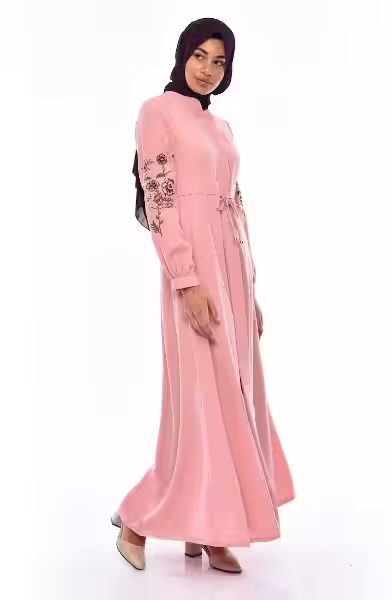
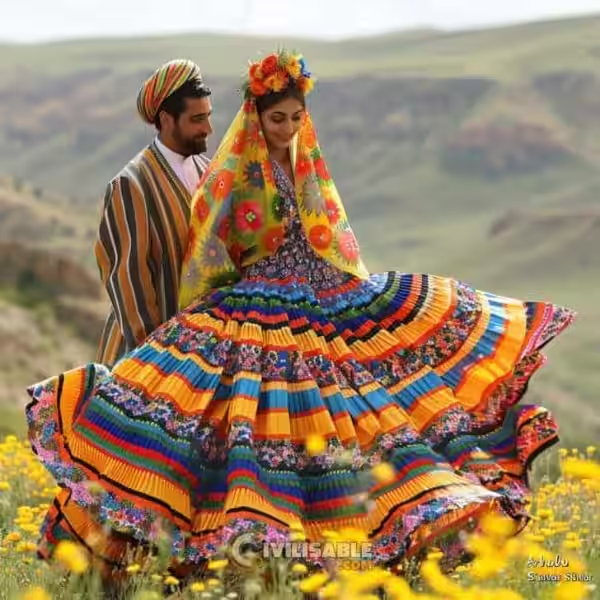
In other parts of the Muslim world, however, you’ll find a far greater diversity of styles. In Indonesia, for instance, the jilbab often incorporates bright colours and patterns, diverging significantly from the traditional black abaya. This demonstrates how the abaya adapts to local traditions and tastes while still maintaining its core function. Contemporary abayas are available in multiple colors, fabrics (including silk, chiffon, and lace), and styles. Embellishments such as embroidery, beading, and other decorative elements are also commonly incorporated.
The Modern Abaya: A Blend of Tradition and Fashion
The mid-20th century saw significant shifts in abaya design, influenced by exposure to Western fashion trends. While the fundamental silhouette remained largely unchanged, the incorporation of modern fabrics and a greater experimentation with colors and cuts led to a more diverse and contemporary aesthetic. This evolution is ongoing, with designers consistently pushing boundaries while still respecting the garment’s traditional significance. The modern abaya successfully balances tradition and modernity, reflecting the changing needs and tastes of its wearers. Now, abayas can be found everywhere from high-fashion runways to online retailers, demonstrating their status as both a religious garment and a fashion item.
The Abaya’s Legal and Social Landscape
The abaya’s status within different societies is complex and often contentious. In Saudi Arabia, for example, while it was previously mandatory public wear for women, Crown Prince Mohammed bin Salman’s 2018 declaration granted women the freedom to choose their own modest attire.
This contrasts sharply with recent events in France, where a ban on abayas in state schools has sparked widespread debate and controversy. The French government justified the ban by citing the principle of secularism, but critics argue that it disproportionately affects the Muslim minority population and infringes on religious freedom. This illustrates the varying viewpoints and legal interpretations surrounding the abaya and its place in public life.
The Abaya and Religious Freedom
The abaya has become a focal point in discussions about religious freedom, cultural expression, and women’s rights. The successful lawsuit by American military pilot Martha McSally against a U.S. Department of Defense policy requiring U.S. servicewomen in Saudi Arabia to wear the abaya highlights the complexities of this issue. Subsequent U.S. legislation prohibiting such policies underscores the importance of respecting religious freedom and avoiding coercion in matters of personal attire.
Ultimately, what are abayas? They are far more than just clothing. They represent a complex interplay of religious observance, cultural identity, personal expression, and political discourse. While the abaya’s traditional significance lies in its adherence to Islamic principles of modesty, its contemporary evolution showcases its adaptability and its role as a powerful symbol in the ongoing conversation about religious freedom and cultural identity. The abaya’s journey reflects the evolving relationship between faith, fashion, and societal norms in a globalized world. Understanding this journey is crucial to appreciating the multifaceted nature of this often-misunderstood garment.
Frequently Asked Questions about Abayas
What is an abaya?
An abaya is a loose-fitting, robe-like garment traditionally worn by some Muslim women in the Middle East, North Africa, and parts of the Horn of Africa. It’s often associated with modest dress, reflecting interpretations of Quranic verses advocating for modesty in women’s attire. Traditionally, abayas were simple, usually black, and covered the body except for the face, hands, and feet. However, modern abayas show significant diversity in style, color, and material.
What is the religious significance of the abaya?
For many Muslim women, the abaya is a way to express their religious identity and commitment to modest dress, aligning with interpretations of Islamic teachings on modesty (haya). It’s important to note that wearing an abaya is a personal choice and its significance varies among individuals and communities.
How does the abaya vary across different regions?
The style, fabric, and color of abayas vary greatly depending on regional traditions and climate. In Gulf states, black abayas are common. Other regions might feature brightly colored and patterned abayas, such as the jilbab in Indonesia. The choice of fabric may also reflect the climate, with lighter fabrics preferred in warmer climates.
Contemporary abayas reflect a blend of tradition and modern fashion. While the basic silhouette remains, modern abayas incorporate a wide range of colors, patterns (floral, geometric), embellishments (embroidery, lace), and fabrics (silk, chiffon, etc.). This reflects a growing trend in modest fashion, demonstrating that modesty and style are not mutually exclusive.
What is the legal and political status of the abaya?
The legal and political landscape surrounding abayas is complex and varies by country. While some countries have seen a relaxation of regulations (e.g., Saudi Arabia’s change in policy), others have introduced restrictions, such as the recent ban on abayas in French state schools. These differing viewpoints often highlight the ongoing tension between religious freedom, secularism, and cultural expression at both national and international levels.
What are some common misconceptions about the abaya?
A common misconception is that wearing an abaya is mandatory for all Muslim women. This is incorrect; it’s a personal choice reflecting individual beliefs and cultural contexts. Another misconception is that all abayas are identical; as explained above, there’s a wide range of styles and designs across various regions and communities.
How has the abaya evolved over time?
The abaya’s evolution reflects both cultural shifts and the influence of global fashion trends. While maintaining its core function of modest dress, the introduction of modern fabrics, colors, and cuts has created a diverse range of contemporary abayas, combining tradition with modern aesthetics. The rise of “modest fashion” as a global phenomenon has further influenced its evolution and visibility.
Finding the right legal representation can feel overwhelming, especially when dealing with complex issues involving human rights. This article explores the crucial role of an abogado de derechos humanos and provides insights into what to look for when seeking legal assistance in this area. We’ll also touch upon the qualities that distinguish a successful human…
Are you looking for a rewarding way to give back to your community and meet new people? San Diego offers a wealth of opportunities for volunteers, from tackling environmental challenges to supporting local charities. Finding the right fit, however, can sometimes feel overwhelming. This article will guide you through the resources available to discover fulfilling…
Obtaining Mexican citizenship, and potentially dual citizenship, is a goal for many. It offers significant benefits, including visa-free travel to numerous countries and the right to live and work in Mexico. However, the process can be intricate and depends heavily on your individual circumstances. This guide will walk you through the different pathways, highlighting key…
Many professionals working in fields like healthcare, education, and social work regularly face challenging situations that escalate into crises. How can we better understand and respond to these situations to minimize harm and promote positive outcomes? This article explores the invaluable tool of the crisis development model, providing a framework for effective intervention and de-escalation….
Many H-1B visa holders dream of launching their own businesses in the United States. The allure of entrepreneurship is strong, but navigating the complexities of immigration law while building a company can feel daunting. The good news is: yes, you can start a business on an H-1B visa, but it requires careful planning and a…
The term “Pegasus” refers to multiple distinct pieces of software, causing considerable confusion. This article clarifies the differences between the open-source workflow management system, the seismology app, and the infamous spyware. Understanding these distinctions is crucial to avoid misinterpretations and to address security concerns appropriately. This article will cover each type of “Pegasus” software, explaining…