Facing the reality that your mentally ill daughter is destroying your family is incredibly painful and overwhelming. It’s a situation that demands understanding, compassion, and a strategic approach. This article isn’t about blame; it’s about equipping you with the knowledge and tools to navigate this challenging terrain and protect both your family and your daughter.
The first crucial step is acknowledging the sheer scale of the problem. Mental health disorders are alarmingly common among young adults aged 18-25. Many struggle with conditions like depression, anxiety, bipolar disorder, and schizophrenia, often exacerbated by substance abuse. It’s not uncommon for these issues to go undiagnosed or untreated, leading to escalating problems that impact the entire family. The statistics are stark, highlighting the urgency of seeking professional help. Many young adults are suffering silently, their struggles invisible until they manifest in destructive behaviors that shatter family harmony. Understanding this prevalence helps remove the stigma and encourages proactive intervention.
This isn’t a reflection on your parenting. Mental illness is a complex interplay of genetic, environmental, and social factors. It’s not a result of poor parenting or a lack of love. Accepting this is fundamental to moving forward constructively.
Understanding Your Daughter’s Mental Illness
Once you’ve acknowledged the prevalence of the problem, the next step is to deeply understand your daughter’s specific condition. This requires seeking professional help. A proper diagnosis from a psychiatrist or psychologist is crucial. This diagnosis will provide a framework for understanding her behaviors, triggers, and potential treatment options.
Don’t rely solely on online information; while helpful for general knowledge, it cannot replace professional assessment. Work closely with her healthcare team, and actively participate in treatment planning. Attend therapy sessions, if appropriate, to gain a deeper understanding of the dynamics at play. Utilize reputable organizations and advocacy groups for additional support and resources. The more you understand, the better equipped you will be to provide effective support.
Exploring Treatment Options and Setting Boundaries
A range of treatment options exists, from outpatient therapy to residential treatment programs, partial hospitalization programs (PHP), and intensive outpatient programs (IOP). The best approach depends on your daughter’s specific needs and the severity of her condition. Actively participate in finding the right fit. This might involve researching different facilities, talking to other families who have navigated similar situations, and collaborating with her treatment team.
While providing support, remember the importance of setting healthy boundaries. This is not about abandoning your daughter; it’s about protecting your family’s well-being. Enabling behaviors, such as covering up her destructive actions or consistently bailing her out of trouble, only perpetuate the cycle. If her behavior poses a threat to your safety or the safety of others, you need to establish firm boundaries, potentially including seeking legal counsel.
The Importance of Open Communication
Open and honest communication is vital, but it must be approached carefully. Create a safe space where your daughter feels comfortable expressing her feelings and experiences, even if they are painful or difficult to hear. However, this openness should not excuse abusive or manipulative behavior. You need to express your concerns clearly and firmly while offering unconditional love and support. This delicate balance requires patience and professional guidance.
Realistic Expectations and Self-Care
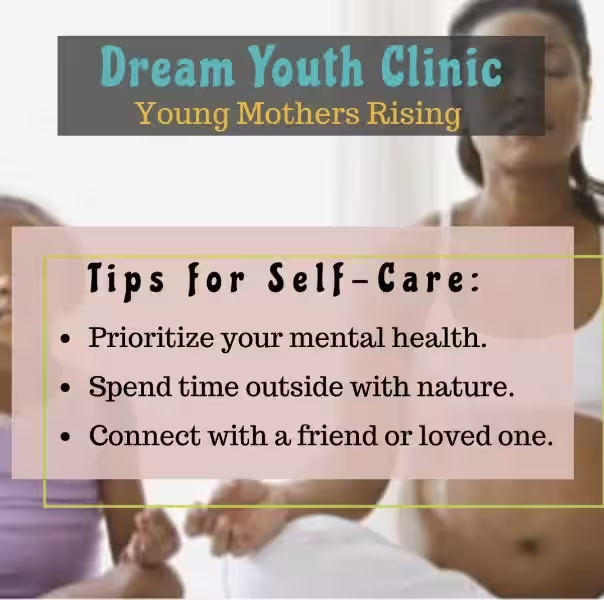
Mental illness recovery is a long, arduous journey, often marked by setbacks. Avoid unrealistic expectations and avoid self-blame. It’s not a failure on your part if your daughter experiences relapses. Focus on progress, however small, and celebrate milestones. Remember to prioritize your own mental and physical well-being. Caregiver burnout is a real and significant risk. Seeking support for yourself – through therapy, support groups, or trusted friends and family – is not a sign of weakness; it’s a necessity. Your well-being is essential for your ability to support your daughter effectively. Ignoring your own needs only exacerbates the situation for everyone involved.
A Mentally Ill Daughter Destroying Family – The Path Forward
Navigating this situation requires a multifaceted approach. It demands a commitment to education, collaboration with professionals, open communication, and unwavering self-care. Remember, you are not alone. Many families face similar challenges. Reach out for support, utilize available resources, and remember that progress, not perfection, is the goal. The journey will be difficult, but with the right support and strategies, you can work towards a more hopeful future for your family and your daughter. Your strength and resilience are vital in this process. Seek help; it’s a sign of strength, not weakness.
Frequently Asked Questions: Supporting a Mentally Ill Adult Daughter
My daughter’s mental illness is destroying our family. What can I do?
It’s understandable to feel overwhelmed when a daughter’s mental illness impacts your family. This is a complex situation requiring a multi-pronged approach. It’s crucial to remember that parental love and support are important, but they are not enough to address the complexities of mental illness. Focus on becoming educated about her specific condition, exploring appropriate treatment options (residential treatment, partial hospitalization, intensive outpatient programs), and fostering open communication while establishing healthy boundaries to protect both yourselves and your daughter. Prioritizing your own mental well-being is also essential. Seek professional guidance from therapists specializing in family dynamics and mental illness.
How do I find the right treatment for my daughter?
Finding the right treatment is a process. Start by working with your daughter’s mental health professional to understand her specific diagnosis and needs. Explore a range of options, including residential treatment, partial hospitalization programs (PHPs), and intensive outpatient programs (IOPs). Each offers varying levels of intensity and support. Consider your daughter’s preferences and severity of symptoms when making this crucial decision. Involve her in the decision-making process as much as possible, fostering a sense of agency and collaboration.
My daughter is manipulative and refuses help. What should I do?
It’s incredibly challenging when a loved one resists treatment. Maintain open communication, expressing your concerns and offering support without enabling her destructive behaviors. Establish clear and consistent boundaries to protect your own well-being and prevent enabling. This might involve limiting contact or setting consequences for harmful actions. Don’t engage in arguments or power struggles. Instead, focus on expressing your love and concern while maintaining firm boundaries. Consider family therapy to improve communication and address underlying issues.
How do I balance supporting my daughter with protecting myself and the rest of the family?
This requires a delicate balance. Prioritize your own well-being. Mental illness can be incredibly stressful on families. Taking care of your physical and emotional health is not selfish; it’s essential for your ability to support your daughter effectively. Engage in self-care activities, seek support from friends, family, or support groups, and consider professional help for yourself. Establish firm boundaries to protect yourselves from harm, particularly if your daughter exhibits aggression or violence. This may involve seeking legal advice or intervention if necessary.
I feel guilty and responsible for my daughter’s illness. Is this normal?
It’s common for parents to experience guilt and self-blame when dealing with a child’s mental illness. However, it’s important to remember that mental illness is complex and often has multiple contributing factors, and you are not responsible for your daughter’s condition. Focus on what you can control: seeking professional help, providing support within healthy boundaries, and taking care of your own mental well-being. Consider professional therapy to address feelings of guilt and to develop healthier coping mechanisms.
Should I consider distancing myself from my daughter?
Distancing yourself should be a last resort and carefully considered with professional guidance. It’s a difficult decision with potential long-term consequences. Before considering this option, explore all other avenues of support and treatment. If her behavior poses a significant threat to your safety or the well-being of your family, professional intervention and legal counsel may be necessary. If distancing is deemed necessary, ensure it’s done with a clear plan and support system in place, emphasizing that it’s a temporary measure to protect everyone involved while encouraging her to seek help.
Where can I find more information and support?
Many resources are available. Contact the National Alliance on Mental Illness (NAMI) or the MentalHealth.gov website for information and support groups. Your daughter’s therapist or psychiatrist can provide additional resources and connect you with relevant organizations. Don’t hesitate to seek professional help for yourself and your family to navigate this challenging situation effectively.
Are you an athlete ready to announce your college commitment? Or perhaps you’re a coach looking for a way to celebrate your recruit’s decision? Finding the right commitment post maker is crucial for creating a visually stunning and shareable announcement. This guide will help you navigate the options available and understand what features you should…
Sending gifts from the USA to India for your parents can be a deeply rewarding experience, a way to show your love and appreciation from afar. However, navigating the process can feel overwhelming. What kind of gifts will they truly appreciate? What are the logistical challenges involved in international shipping? This guide aims to simplify…
Are you a caregiver for someone with Amyotrophic Lateral Sclerosis (ALS)? The relentless demands of ALS care can be physically and emotionally draining. Knowing where to find support, particularly financial assistance, is crucial. This article explores the landscape of ALS caregiver grants, focusing on the availability of resources and how to access them. We’ll highlight…
Are you looking for ways to make a difference in the lives of refugees and immigrants in Los Angeles? The International Rescue Committee (IRC) in Los Angeles offers a variety of impactful ways to contribute to their vital work. This article explores the various avenues for involvement, detailing how you can support the IRC’s mission…
Alabama immigration laws have recently undergone significant changes, sparking considerable debate and concern. The passage of Senate Bills 53 and 63 has reignited conversations about the state’s approach to immigration enforcement and its potential consequences for both immigrant communities and the state as a whole. This article will explore the key aspects of these new…
Are you ready to invest in your well-being but concerned about the cost of high-end wellness treatments? Rescu Wellness understands this concern and offers a solution that makes luxury wellness more accessible. Through strategic partnerships with leading financial technology companies, they’ve created a system that allows you to achieve your wellness goals without breaking the…