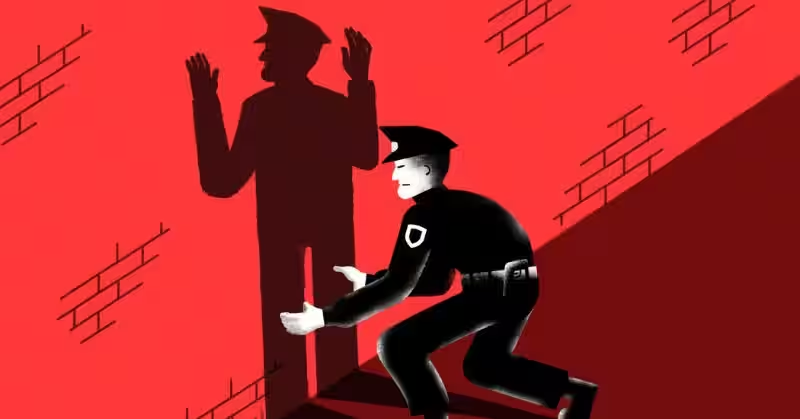
Law enforcement officers face unique and intense pressures, leading to significant mental health challenges. Understanding and addressing these challenges is crucial not only for the well-being of individual officers but also for the effectiveness and integrity of law enforcement agencies. This article explores the critical need for emotional support within law enforcement and examines strategies to foster resilience and well-being.
The daily realities of police work expose officers to traumatic events, moral dilemmas, and immense pressure, often leading to physical and emotional exhaustion. These experiences can accumulate over time, creating a cumulative stress that impacts their personal lives, relationships, and professional effectiveness.
Officers frequently witness violence, death, and suffering, events that can leave lasting psychological scars. The constant threat of danger and the need for hypervigilance contribute to chronic stress, impacting sleep, appetite, and overall health. This constant exposure to trauma can lead to post-traumatic stress disorder (PTSD), depression, and anxiety.
The Importance of Emotional Support Systems
Effective emotional support for law enforcement is not a luxury; it’s a necessity. It’s crucial for maintaining the mental and physical health of officers, preventing burnout, and ensuring optimal job performance. Strong emotional support systems can serve as a crucial buffer against the overwhelming pressures of the job.
Ignoring this need can have devastating consequences. Burnout, substance abuse, and even suicide are significant concerns within the law enforcement community. Providing accessible and effective emotional support mechanisms is vital for mitigating these risks.
Peer Support Programs
Peer support programs, where trained officers provide emotional support to their colleagues, are incredibly effective. These programs provide a safe and confidential space for officers to share their experiences and receive empathy and understanding from those who truly understand their challenges. They offer a sense of camaraderie and reduce feelings of isolation.
These programs also allow officers to speak openly without fear of judgment or repercussions. The shared understanding between peers can significantly reduce the stigma associated with seeking help and encourage early intervention.
Access to professional counseling and therapy is another crucial component of emotional support. Therapists specializing in trauma and law enforcement-specific issues can provide evidence-based treatments to address PTSD, anxiety, depression, and other mental health conditions. These services can help officers develop healthy coping mechanisms and strategies for managing stress.
The confidentiality offered by professional therapists is invaluable. Officers can feel safe discussing sensitive issues without fear of jeopardizing their careers. Early intervention through professional therapy can significantly improve long-term outcomes and prevent more serious problems from developing.
Supervisory Support and Leadership
Supervisors play a vital role in fostering a supportive work environment. They can create a culture of open communication, where officers feel comfortable discussing their challenges without fear of reprisal. Supportive supervisors can also actively encourage officers to utilize available resources, such as peer support programs or professional counseling.
Strong leadership is essential to breaking down the stigma surrounding mental health issues within law enforcement. Leaders who model healthy coping strategies and openly discuss the importance of mental well-being set a positive example and encourage their officers to prioritize their emotional health.
Building Resilience and Promoting Well-being
Beyond immediate support systems, fostering resilience is key to long-term well-being. Resilience refers to the ability to bounce back from adversity and maintain a positive outlook despite challenges. Several strategies can help law enforcement officers build resilience:
Mindfulness and Meditation: Practicing mindfulness and meditation techniques can help officers manage stress, improve focus, and enhance emotional regulation.
Physical Exercise and Healthy Lifestyle: Regular physical activity, a balanced diet, and sufficient sleep are crucial for physical and mental health.
Strong Social Support Networks: Maintaining strong relationships outside of work, with family and friends, provides crucial emotional support and a sense of belonging.
Stress Management Techniques: Learning and practicing stress management techniques, such as deep breathing exercises or progressive muscle relaxation, can significantly reduce the impact of stress.
Continued Professional Development: Participating in workshops, training sessions, and other professional development opportunities can enhance skills, boost confidence, and increase a sense of purpose.
Conclusion: Investing in Emotional Support for a Stronger Force
Investing in emotional support for law enforcement is not simply a matter of compassion; it’s a strategic imperative. By providing comprehensive support systems and fostering a culture of well-being, law enforcement agencies can improve officer morale, reduce burnout, and enhance operational effectiveness. A healthy and resilient law enforcement force is better equipped to serve and protect the community, making emotional support a vital investment in public safety. The long-term benefits of prioritizing the emotional well-being of officers far outweigh the costs. The unwavering dedication and selflessness of law enforcement officers deserve a commensurate commitment to their emotional and psychological well-being.
Frequently Asked Questions: Emotional Support for Law Enforcement
What are the main emotional challenges faced by law enforcement officers?
Law enforcement officers routinely face significant emotional challenges, including exposure to traumatic events (violent crimes, accidents, death), high-stress situations (dangerous encounters, life-or-death decisions), and the constant threat to their own safety and the safety of others. These experiences can lead to burnout, cynicism, anger, and a distorted worldview, negatively impacting both their professional and personal lives. Furthermore, the demanding nature of the job often leads to sleep deprivation, strained relationships, and difficulties maintaining work-life balance.
How does prolonged exposure to trauma affect law enforcement officers?
Repeated exposure to trauma can have a profound and cumulative effect on officers’ mental and emotional well-being. It can lead to post-traumatic stress disorder (PTSD), anxiety disorders, depression, and substance abuse. The constant hypervigilance required on the job can also contribute to a sense of being perpetually “on edge,” affecting sleep, relationships, and overall health. This can manifest as increased irritability, difficulty concentrating, and emotional numbness.
What are the signs of burnout in law enforcement?
Burnout in law enforcement can manifest in various ways. Common signs include exhaustion (physical and emotional), cynicism (loss of idealism and belief in the work), and reduced professional efficacy (feeling ineffective or incompetent). Other indicators may include increased absenteeism, changes in behavior (irritability, withdrawal), substance abuse, and strained personal relationships. Officers may also exhibit a detachment from their work or a sense of hopelessness.
What strategies can help law enforcement officers manage their emotional well-being?
Effective strategies for managing emotional well-being include seeking professional help (therapy, counseling), utilizing peer support systems, building strong support networks (family, friends, colleagues), practicing stress-reduction techniques (meditation, mindfulness, exercise), maintaining healthy lifestyle habits (sleep, nutrition, exercise), and engaging in activities that promote relaxation and enjoyment outside of work. Open communication with supervisors about workload and emotional challenges is also crucial. Regular self-reflection and awareness of one’s emotional state are essential for preventing burnout and maintaining mental health.
Where can law enforcement officers find support and resources?
Many resources are available to support law enforcement officers’ emotional well-being. These include employee assistance programs (EAPs) offered by police departments, mental health professionals specializing in trauma and first responders, peer support groups (made up of fellow officers who understand the challenges), and various online and community-based support services. Organizations dedicated to law enforcement mental health often provide training and resources on coping with stress and trauma. It’s crucial for officers to know that seeking help is a sign of strength, not weakness.
How can police departments and agencies support their officers’ mental health?
Police departments and agencies play a vital role in fostering a supportive environment that prioritizes the mental health of their officers. This includes providing access to comprehensive mental health services, implementing robust peer support programs, offering regular training on stress management and trauma-informed care, promoting a culture of open communication and reducing stigma associated with seeking help, and addressing workplace factors that contribute to stress and burnout (e.g., excessive workloads, lack of support). Investing in these initiatives is not only beneficial for officers’ well-being but also enhances overall effectiveness and productivity.
Are you looking for effective addiction treatment that prioritizes personalized support and empowers you to build a lasting recovery? Understanding the concept of “comeback care” is key to finding the right program for you. This article explores the vital components of a successful comeback care program, using real-world examples to illustrate its impact. What is…
Government camera surveillance is a topic that sparks considerable debate. It raises crucial questions about the balance between public safety and individual privacy rights. While cameras can deter crime and assist in investigations, their widespread use raises concerns about potential abuse and the erosion of civil liberties. This article explores the complexities of government camera…
This article explores the allure of the Supreme x Nike Air Force 1 Low “Box Logo White,” focusing on what makes these supreme white ones so desirable and influential within the streetwear community. We’ll examine the design choices, the impact of minimalism, and the enduring appeal of this seemingly simple sneaker. The Allure of Minimalism:…
Finding the perfect charity event to support in a vibrant city like Los Angeles can feel overwhelming. With so many worthy causes and diverse events, knowing where to start can be challenging. This guide aims to help you navigate the landscape of charity events Los Angeles offers, ensuring you find an opportunity that aligns with…
Finding the perfect dress can be a deeply personal experience, especially when it involves a significant life event or role. This is particularly true for those seeking a “mission dress,” a term that can encompass a wide range of styles and purposes. This article explores the concept of mission dress, focusing on the consumer perspective…
Facing a Class 6 felony charge in Arizona can be daunting, but understanding the nuances of this specific classification is crucial. While it’s the least severe type of felony, a conviction still carries significant consequences. This article will break down the key aspects of a Class 6 felony in Arizona, offering clarity and guidance to…