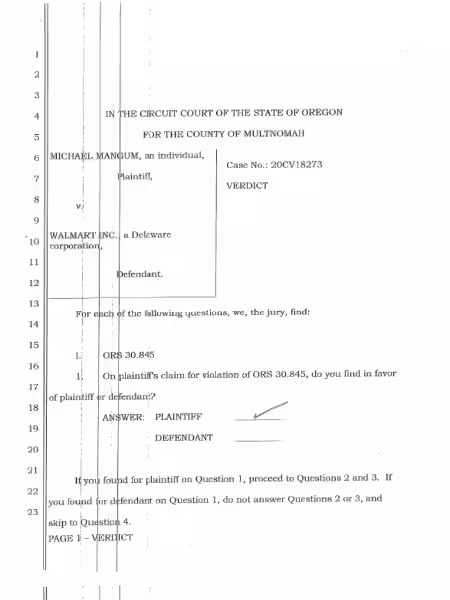
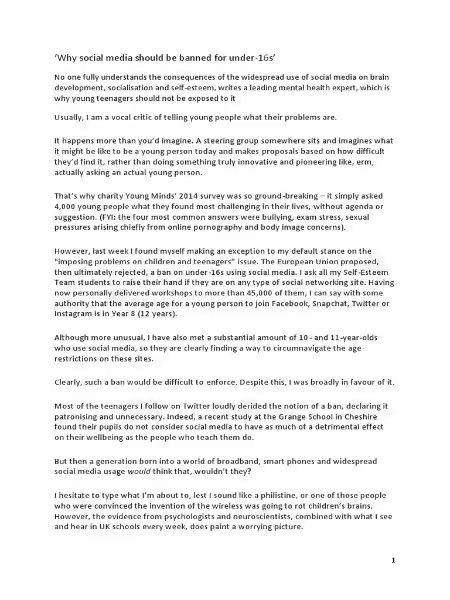
Can I sue Facebook, or rather, Meta, its parent company, for emotional distress caused by its platforms? This is a question increasingly asked by young people and their families, particularly concerning Instagram’s impact on mental health. While seemingly a straightforward question, the answer is nuanced and depends on several critical factors. This article explores the complexities of such lawsuits, looking at the legal arguments, the challenges involved, and the potential for success.
Numerous lawsuits are targeting Meta, alleging that its platforms, especially Instagram, contribute significantly to emotional distress and mental health issues in young users. The core argument rests on Meta’s alleged knowledge of the harm its platforms inflict and its conscious decision to prioritize engagement and profit over user well-being. This claim is supported by leaked internal documents revealing Meta’s awareness of Instagram’s negative effects, particularly on teenage girls. These documents highlight a strong correlation between Instagram use and increased rates of body image issues, eating disorders, anxiety, and depression.
Despite this internal knowledge, Meta reportedly continued to prioritize user growth and engagement, even turning down proposals that might mitigate these harms, such as disabling beauty filters. This inaction, despite possessing internal evidence of the problem, forms a crucial element in the legal arguments against the company. The sheer scale of the potential harm coupled with Meta’s apparent disregard for its users’ well-being strengthens the case for those seeking legal recourse. The argument is that Meta’s prioritization of profit over user safety constitutes negligence and contributes directly to the emotional distress experienced by many users.
The “Design for Addiction” Argument
A key component of these lawsuits centers on the assertion that Meta intentionally designed its platforms to be addictive. Features like push notifications, autoplay videos, infinite scrolling, and algorithms that prioritize sensational content are cited as mechanisms to maximize user engagement, regardless of the potential mental health consequences.
The creation of “echo chambers,” where users primarily interact with like-minded individuals, further reinforces addictive behaviors and limits exposure to diverse viewpoints. The spread of false or misleading information, often emotionally charged, also contributes to this potentially harmful cycle. The argument is that Meta, through its design choices, knowingly fostered an environment that exacerbated existing mental health vulnerabilities or created new ones in users. This purposeful design, the lawsuits contend, constitutes a form of negligence that warrants legal action.
The negative consequences linked to social media addiction are extensive and can include:
Neglect of real-world obligations
Academic underperformance
Strained relationships
Low self-esteem
Body image problems
Self-destructive behaviors
Self-harm
Suicidal ideation or attempts
Worsening or emergence of mood disorders (depression and anxiety)
Substance abuse
Attention deficit hyperactivity disorder (ADHD)
Teenagers and children who have suffered harm due to Meta’s platforms, including experiences such as suicide attempts, intense anxiety, depression, sleep disorders, eating disorders, and profound loneliness, may qualify for a lawsuit. While some might argue these issues exist independently of social media, studies consistently demonstrate social media’s contribution to exacerbating these problems. The crucial element is establishing a demonstrable link between the use of Meta’s platforms and the specific harm experienced.
Can I Sue? The Burden of Proof
While the potential for a successful lawsuit exists, establishing that Meta’s actions directly caused the emotional distress is a significant hurdle. Plaintiffs must not only demonstrate the harm they suffered but also prove a clear causal link between that harm and Meta’s actions, including the design of its platforms and its knowledge of the potential negative consequences. This requires compelling evidence, such as medical records, expert testimony, and potentially internal Meta documents. The sheer volume of users and the complexity of establishing direct causation make these cases challenging. Simply stating that using Facebook caused emotional distress is insufficient; a strong case requires substantial proof.
Potential Compensation and Legal Strategies
Plaintiffs in such lawsuits may seek compensation for:
Medical treatments (physical and mental health)
Therapy costs
Pain and suffering
Recovery and treatment costs
Lost income
Punitive damages (particularly relevant given Meta’s alleged knowledge of the harm and failure to act)
Because proving these claims can be complex and resource-intensive, seeking legal counsel from an attorney specializing in these types of cases is crucial. They can guide you through the process, help gather evidence, and assess the viability of your claim. While class-action lawsuits are a possibility, individual lawsuits often offer a greater chance of securing substantial compensation.
Navigating the Legal Landscape: Can I Sue Facebook for Emotional Distress?
The question of whether you can sue Facebook (Meta) for emotional distress is not a simple yes or no. While the legal arguments are compelling and supported by evidence of Meta’s knowledge of the harm caused by its platforms, proving causation and overcoming legal hurdles remains a significant challenge. However, for those who have suffered significant and demonstrable harm directly attributable to Meta’s platforms, pursuing legal action may be a viable path to redress. Remember that seeking expert legal counsel is essential to understanding your options and navigating the complexities of the legal system. The potential for compensation exists, but success depends heavily on the strength of the evidence and the ability to establish a clear causal link between Meta’s actions and the emotional distress experienced.
Can I Sue Facebook (Meta) for Emotional Distress?
This FAQ addresses common questions about suing Meta (Facebook’s parent company) for emotional distress caused by its platforms, particularly Instagram. The information below is for general knowledge and does not constitute legal advice. Consult a qualified attorney for advice specific to your situation.
What are the grounds for suing Meta for emotional distress?
Lawsuits against Meta alleging emotional distress generally center on the argument that Meta knew its platforms, especially Instagram, were causing significant harm to young users, particularly teenage girls, and prioritized profit over user well-being. Key claims include:
Meta’s awareness of harm: Internal documents reveal Meta’s knowledge of the negative impacts of its platforms, including correlations with body image issues, eating disorders, anxiety, and depression. Its failure to adequately address these known harms is a central element of the legal argument.
Design for addiction: Lawsuits contend Meta intentionally designed its platforms to be addictive through features like push notifications, infinite scrolling, and algorithms that prioritize sensational content. This design, it’s argued, maximizes engagement at the cost of users’ mental health.
Failure to protect users: Allegations include insufficient measures to prevent or mitigate cyberbullying, harassment, and the spread of harmful content. Slow responses to user reports of harmful content are also cited.
What types of harm might qualify for a lawsuit?
The range of harms cited in lawsuits includes, but is not limited to:
Teenagers and young adults who experienced these harms due to using Meta’s platforms may be eligible to sue. The emphasis is on demonstrating a clear causal link between platform usage and the experienced emotional distress. While these issues may exist independently, the lawsuits focus on Meta’s alleged contribution to exacerbating them. Specific age requirements and eligibility criteria will vary depending on the jurisdiction and specifics of each case.
What kind of compensation might I receive?
Potential compensation could include:
Medical expenses for physical and mental health treatment
Therapy costs
Pain and suffering
Lost income
Punitive damages (intended to punish Meta for its alleged negligence)
What are the challenges in suing Meta for emotional distress?
Suing a large tech company like Meta presents significant challenges:
Section 230 of the Communications Decency Act: This law grants significant immunity to social media platforms for user-generated content. Overcoming this legal protection is a major hurdle.
Proving causation: Establishing a direct and provable causal link between Meta’s actions and the plaintiff’s emotional distress is complex and requires strong evidence.
Defining “outrageous conduct”: Legal standards for “extreme and outrageous” conduct are high, and meeting this threshold is difficult.
Gathering sufficient evidence: Building a strong case requires comprehensive evidence linking emotional distress directly to Meta’s actions, including medical records, expert testimony, and detailed accounts of experiences.
What should I do if I believe I have a case?
If you believe Meta’s platforms have caused you significant emotional distress, you should:
Consult with an experienced attorney: A lawyer specializing in social media law can assess your case, advise on potential legal strategies, and guide you through the process.
Document your experiences: Keep detailed records of your social media use, any instances of harassment or harmful content, and your mental health treatment.
Preserve evidence: This may include screenshots, messages, and medical records.
Disclaimer: This FAQ provides general information only and does not constitute legal advice. The success of any lawsuit depends on the specific facts and circumstances, as well as applicable laws. You should consult with a qualified attorney to discuss your specific situation.
Are you looking for ways to improve safety in your community? Do you want to learn more about comprehensive safety education programs available for children, teens, and adults in the Modesto area? This article will explore the vital role of a community-focused organization and its flagship program, the Safety Center Modesto, and the critical need…
Are you operating in a high-risk environment where even a single equipment failure could have catastrophic consequences? If so, understanding and implementing robust safety integrity solutions is paramount. This article delves into the world of Safety Integrity Levels (SILs), focusing on SIL2 solutions and their crucial role in ensuring functional safety. What are Safety Integrity…
Finding a job as a staff attorney can feel overwhelming with so many options. This comprehensive guide will explore the diverse world of staff attorney positions in the United States, providing insights into the types of jobs available, required skills, salary expectations, and future trends. The Diverse Landscape of Staff Attorney Roles The term “staff…
Are you looking to enhance your medical skills or gain valuable certifications in life-saving techniques in San Antonio, Texas? RC Health Services provides a comprehensive range of American Heart Association (AHA) certified courses, offering both in-person and online learning options to suit your needs. This article will delve into the services offered by RC Health…
The ubiquitous “Please Do Not Enter” sign, often accompanied by a graphic symbol, is far more than a simple request. It’s a critical safety and compliance tool, communicating a crucial prohibition in a variety of settings. Understanding its purpose, design variations, and legal implications is vital for both individuals and organizations. The Vital Role of…
Navigating the H-1B visa process can be daunting, and understanding the associated costs, particularly the H-1B attorney fee, is crucial for proper planning. This guide will help you understand the various fees involved and what to expect when working with an immigration attorney. H-1B Visa Fees: A Breakdown The total cost of obtaining an H-1B…