A thriving workplace isn’t just about hitting targets; it’s about creating a positive and engaging environment where employees feel valued and motivated. This is where the often-overlooked but critically important culture committee steps in. This article will explore the role of a culture committee, its responsibilities, and how to effectively establish and maintain one within your organization.
A culture committee is a dedicated group of employees representing diverse departments and levels within an organization. Their primary role is to foster a positive and engaging work environment, translating abstract company values into tangible actions and initiatives. They aren’t simply event planners; they are active participants in shaping the company’s cultural identity and ensuring it aligns with business goals.
This proactive approach differs from simply reacting to employee concerns. A culture committee anticipates potential issues and implements preventative measures to maintain a healthy and productive atmosphere. Their decisions are informed by data, employee feedback, and a deep understanding of the organization’s values and objectives.
The Responsibilities of a Culture Committee
The responsibilities of a culture committee are extensive and impact numerous aspects of the employee experience. They are essentially cultural ambassadors, actively promoting and embodying the company’s values. Here are some key areas they address:
Defining and Reinforcing Core Values
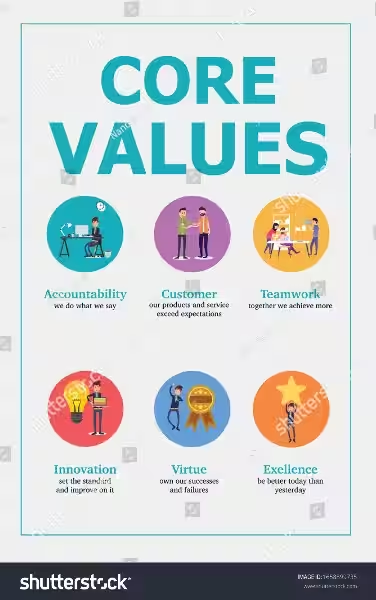
The committee works closely with leadership to define and articulate the company’s core values. This isn’t just about creating a list; it’s about ensuring these values are lived and breathed throughout the organization. They develop and implement strategies to reinforce these values, using various methods such as team-building activities, recognition programs, and initiatives focused on open communication and work-life balance.
This requires consistent effort and evaluation. The committee needs to regularly assess whether the implemented strategies are truly reflecting the desired values and making an impact on employee sentiment.
Addressing Employee Concerns and Advocating for Change
A crucial function of the culture committee is to act as a voice for employees. They provide a platform for voicing concerns, suggestions, and feedback. This feedback is then used to advocate for necessary changes, whether it’s updating company policies, improving benefits packages, or restructuring work processes to enhance efficiency and well-being.
This continuous feedback loop is vital for keeping the committee relevant and ensuring its recommendations reflect the evolving needs of the workforce.
Impacting Various HR Processes
The influence of a culture committee extends to various HR functions. They play a key role in:
Recruitment: Developing culturally aligned interview processes to attract candidates who align with the company’s values.
Performance Management: Integrating cultural values into performance reviews, ensuring that employees are assessed not just on results but also on their contributions to a positive work environment.
Compensation and Benefits: Advocating for fair and transparent compensation and benefits packages that reflect the company’s commitment to employee well-being.
Rewards and Recognition: Designing recognition programs that acknowledge and reward behaviors aligned with the company’s core values.
The Role of HR in Supporting a Culture Committee
Human Resources (HR) plays a critical supporting role in the success of a culture committee. HR provides essential resources and guidance, acting as a liaison between the committee and other departments. Specifically, HR’s support includes:
Assisting with member recruitment and selection, ensuring a diverse and representative group.
Providing training on diversity and inclusion, facilitating effective communication, and conflict resolution.
Offering administrative support and managing the committee’s logistical needs.
Collaborating on the development and implementation of workplace programs designed to improve employee satisfaction and well-being.
Establishing a Successful Culture Committee
Creating a successful culture committee involves careful planning and execution. Key steps include:
Assessing Organizational Needs: Identifying areas for improvement related to communication, engagement, diversity, and work-life balance.
Securing Leadership Support: Obtaining buy-in from senior management to ensure the committee has the necessary resources and authority.
Developing a Charter: Creating a formal document outlining the committee’s purpose, objectives, responsibilities, and operating procedures.
Selecting Committee Members: Choosing a diverse and engaged group of employees with clearly defined roles.
Defining a Mission Statement: Articulating a clear and inspiring mission that guides the committee’s work.
Establishing a Meeting Schedule: Setting regular meeting times to ensure consistent progress and accountability.
Creating an Action Plan: Developing a prioritized list of initiatives with timelines and assigned responsibilities.
Implementing Feedback Mechanisms: Establishing methods for gathering employee input and measuring the committee’s effectiveness.
Benefits of a Culture Committee
The benefits of a well-functioning culture committee are far-reaching:
Improved Employee Engagement: Fostering a sense of ownership and participation among employees.
Increased Employee Retention: Creating a positive and supportive work environment that encourages loyalty.
Enhanced Diversity and Inclusion: Promoting a culture of belonging and respect for all employees.
Stronger Company Culture: Translating abstract values into tangible actions and initiatives.
Improved Communication: Bridging the gap between management and employees, fostering trust and transparency.
In conclusion, a company culture committee is an invaluable asset for any organization seeking to create a positive, productive, and engaging work environment. By carefully planning its establishment, defining its responsibilities, and providing ongoing support, companies can harness the power of their culture committee to achieve significant improvements in employee engagement, retention, and overall organizational success.
Frequently Asked Questions about Company Culture Committees
What is a company culture committee?
A company culture committee is a dedicated group of employees who work together to create and maintain a positive, engaging, and inclusive work environment. They act as champions of the company’s values and actively work to translate those values into everyday practices and policies. Their goal is to improve employee satisfaction, engagement, and overall well-being.
What are the responsibilities of a culture committee?
Culture committees have a wide range of responsibilities, including:
Defining and reinforcing core company values: Working with leadership to identify and implement strategies that embody these values.
Improving communication and feedback: Creating channels for open dialogue between employees and management.
Promoting diversity and inclusion: Developing and implementing initiatives to ensure all employees feel valued and respected.
Enhancing employee engagement: Organizing team-building activities, recognition programs, and social events.
Advocating for employee well-being: Supporting initiatives related to work-life balance, mental health, and physical wellness.
Influencing policy and benefits: Providing input on policies, benefits packages, and compensation structures to foster fairness and transparency.
Improving recruitment and onboarding: Developing culturally aligned interview processes and onboarding programs.
Tracking progress toward cultural goals: Measuring the effectiveness of implemented initiatives and making adjustments as needed.
How is a culture committee different from an Employee Resource Group (ERG)?
While both contribute to a positive work environment, their focus differs. ERGs typically represent specific employee identities or interests (e.g., women in tech, LGBTQ+ employees), while a culture committee focuses on the overall company culture, encompassing all employees regardless of background or identity. A culture committee’s scope is broader, aiming to improve the experience for everyone.
What role does HR play in supporting a culture committee?
HR plays a vital role in the success of a culture committee. This includes:
Recruitment and support: Assisting in the selection of committee members and providing ongoing support.
Training and resources: Providing training on relevant topics (e.g., diversity and inclusion, conflict resolution).
Liaison with other departments: Facilitating communication and collaboration between the committee and other departments.
Administrative support: Providing administrative support to help the committee function effectively.
Strategy development: Collaborating on the development of strategies to improve employee satisfaction and well-being.
What are the benefits of having a culture committee?
The benefits are numerous and far-reaching, including:
Increased employee engagement and satisfaction.
Improved diversity and inclusion.
Enhanced communication and feedback.
Greater employee loyalty and reduced turnover.
Stronger alignment between company culture and business goals.
Attracting and retaining top talent.
Proactive addressing of cultural challenges (low morale, lack of inclusivity).
How do I establish a culture committee?
Establishing a successful culture committee involves several key steps:
Assess organizational needs: Identify areas where improvement is needed (communication, engagement, diversity, etc.).
Secure leadership support: Obtain buy-in and support from senior management.
Develop a charter: Outline the committee’s purpose, objectives, and responsibilities.
Select committee members: Choose a diverse and engaged group of employees with defined roles.
Define a mission statement: Create a clear and inspiring mission statement that guides the committee’s work.
Establish a meeting schedule: Set a regular schedule for meetings and communication.
Create an action plan: Develop an action plan with prioritized initiatives, timelines, and responsibilities.
Implement feedback mechanisms: Create systems for gathering and acting on employee feedback.
How can I measure the effectiveness of a culture committee?
Measuring effectiveness can involve tracking key metrics such as employee engagement scores, employee satisfaction surveys, diversity and inclusion metrics, and feedback from employee surveys and focus groups. Regularly reviewing these indicators helps assess the committee’s impact and identify areas for improvement. Qualitative feedback, such as comments from employees, can be equally valuable.
Facing a parole hearing in Oklahoma can be daunting. The process is complex, with strict rules and procedures that can easily trip up someone without legal expertise. This article explores the Oklahoma parole system, emphasizing the crucial role of legal representation and how to access resources, even if you can’t afford a lawyer. Finding free…
Securing a CVS Health internship is a fantastic opportunity to launch your career in the healthcare industry. But with a competitive application process, understanding what CVS Health looks for in interns is crucial. This article provides a comprehensive guide to navigating the CVS Health internship application, highlighting key aspects of the program and offering advice…
Navigating the immigration system while escaping spousal abuse can feel incredibly daunting. The fear of your abuser, coupled with the complexities of legal processes, can be overwhelming. However, there are pathways to safety and a new life, and understanding those options is the first step towards securing your future. This article explores spousal abuse immigration…
Are you interested in learning about innovative approaches to humanitarian aid and how a global empowerment grant can make a real difference in conflict zones? This article explores the impactful work of Global Empowerment Mission (GEM) in Ukraine, highlighting their unique strategy and the far-reaching consequences of their initiatives. GEM’s Agricultural Empowerment Program in Ukraine…
Clare Leslie Hall’s Broken Country is a captivating, albeit divisive, novel that explores the complexities of grief, forgiveness, and the enduring power of family bonds. This article provides a comprehensive broken country summary, delving into its plot, characters, and the critical reception it has received. We’ll examine the reasons behind its popularity, along with some…
Finding the right moving company logos is crucial for any business in the relocation industry. Your logo is the first impression you make on potential clients, instantly communicating your brand’s personality, professionalism, and value proposition. A poorly designed logo can hinder your growth, while a well-crafted one can significantly boost your success. This article will…