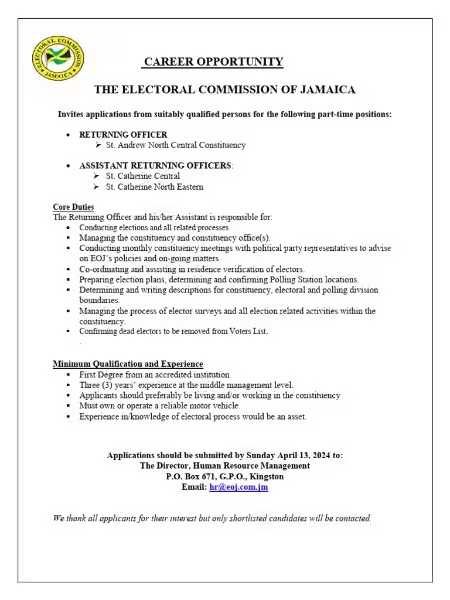
The smooth running of any election hinges on many dedicated individuals working behind the scenes. One such crucial role is that of the Deputy Returning Officer (DRO). This article will delve into the multifaceted responsibilities of a DRO, outlining the key tasks and skills required for this vital position in the democratic process.
Polling Station Management: The Heart of the DRO’s Role
A significant portion of a DRO’s responsibilities centers on the effective management of polling stations. This isn’t just about opening the doors on election day; it’s a comprehensive process demanding meticulous planning and execution.
The setup phase is critical. The DRO ensures the polling station adheres to all safety guidelines and accessibility standards. This involves arranging the layout to ensure efficient voter flow, providing appropriate accommodations for voters with disabilities, and setting up security measures to maintain the integrity of the ballot.
Beyond setup, the DRO oversees the station’s operation throughout the voting period. This includes addressing voter inquiries, resolving minor disputes, and ensuring a fair and orderly voting process. The DRO is the point person for maintaining order and resolving any conflicts that may arise, all while adhering to strict electoral procedures. They are the guarantor of a positive and efficient voting experience for every eligible voter.
Advance Polls and Ballot Counting: Expanding Responsibilities
In elections employing advance polls, the DRO’s responsibilities significantly expand. Instead of a single election day, the DRO manages their assigned polling station across several days leading up to the main event. This requires advanced logistical planning and meticulous organization to ensure consistent accuracy and security across each session. The added complexity necessitates a higher level of preparedness and resource management.
Furthermore, many jurisdictions involve DROs in the vital post-election process of ballot counting. For DROs managing advance polls, this often entails counting ballots collected over the preceding days. This process demands a thorough understanding of ballot handling protocols and precise record-keeping to uphold the election’s integrity and transparency. Any errors could have serious consequences.
Accuracy and Security in Ballot Handling
The accuracy and security of ballot handling are paramount during the ballot-counting process. The DRO must follow strict procedures to ensure that every ballot is accounted for, and that the counting process is transparent and verifiable. This includes using standardized counting methods, maintaining a chain of custody for all ballots, and accurately recording the results.
The DRO’s role in this stage is not simply clerical; it is a critical component of ensuring public trust in the electoral outcome. The meticulous attention to detail demanded in this phase underlines the DRO’s vital contribution to the democratic process.
Ensuring Voter Access and Orderly Voting: A Fair and Equitable Process
The overarching aim of a DRO is to provide every eligible voter with a fair and unbiased opportunity to cast their ballot. This means creating an inclusive and accessible environment. The DRO actively facilitates this by addressing the needs of all voters, regardless of language barriers, physical limitations, or other individual circumstances.
Maintaining order within the polling station is equally crucial. The DRO needs strong interpersonal skills to manage potential conflicts or challenges calmly and efficiently. A calm and decisive approach is crucial to prevent disruptions and ensure a smooth voting experience for everyone. A clear understanding of electoral regulations is fundamental to ensuring a transparent and equitable process.
Compliance and Regulations: Upholding the Integrity of the Election
Throughout their duties, the DRO must strictly adhere to all applicable electoral laws, regulations, and established procedures. This stringent adherence is not merely a formality; it’s the bedrock of maintaining electoral integrity and public trust.
Accurate record-keeping is paramount, as is adherence to security protocols for handling sensitive electoral materials. Any deviation from established procedures could compromise the validity of the election results, highlighting the enormous responsibility resting on the DRO’s shoulders. The DRO acts as a guardian of the electoral process, ensuring its fairness and reliability.
The Deputy Returning Officer: A Vital Role in Democracy
In conclusion, the Deputy Returning Officer plays a critical and multifaceted role in the electoral process. Their responsibilities range from meticulous polling station management and advance poll oversight to the accurate counting of ballots, all while upholding the highest standards of integrity, fairness, and compliance with electoral regulations. This demanding role requires a unique blend of organizational skills, attention to detail, strong interpersonal abilities, and a comprehensive understanding of electoral laws. The dedication and competence of the DRO are essential to ensuring the success and credibility of any election. The next time you cast your ballot, remember the often unseen, yet critically important contribution of the Deputy Returning Officer working diligently to ensure your vote counts.
What is the role of a Deputy Returning Officer (DRO)?
The Deputy Returning Officer (DRO) plays a crucial role in ensuring fair and efficient elections. Their responsibilities center on managing polling stations, facilitating voter access, and upholding the integrity of the electoral process. This includes everything from setting up and securing polling stations to counting ballots and ensuring compliance with all relevant regulations.
What are the main responsibilities of a DRO regarding polling station management?
A DRO is responsible for the entire lifecycle of a polling station. This starts with setting up the station according to safety guidelines and procedures, ensuring it’s accessible and secure. During the voting period, they maintain order, answer voter questions, and ensure all procedures are followed correctly. Finally, they oversee the secure closing of the station, carefully preserving all materials to prevent irregularities.
How does a DRO’s role extend to advance polls and ballot counting?
If advance polls are used, the DRO’s responsibilities increase. They manage the polling station across multiple days, requiring significant logistical planning. In many cases, DROs also participate in ballot counting, often counting advance poll ballots before the main election day count. This necessitates accurate record-keeping and a thorough understanding of ballot handling procedures.
What is the DRO’s responsibility in ensuring voter access and an orderly voting process?
The DRO’s primary goal is to ensure every eligible voter can cast their ballot fairly and without bias. This involves creating a welcoming environment, addressing voter needs, and maintaining order to prevent disruptions. Strong interpersonal skills and conflict resolution abilities are crucial for this aspect of the role.
What are the compliance and regulatory aspects of the DRO’s job?
Strict adherence to electoral laws, regulations, and procedures is paramount. This includes accurate record-keeping, following security protocols, and properly handling sensitive materials. Compliance is essential for maintaining election integrity and public trust. Any deviation could invalidate election results.
What skills and qualities are needed to be a successful DRO?
A successful DRO needs strong organizational skills, meticulous attention to detail, excellent interpersonal abilities, and a thorough understanding of electoral laws. The ability to manage potentially stressful situations and maintain composure under pressure is also vital.
What is the overall importance of the DRO’s role in the electoral process?
The DRO’s role is essential for the smooth, fair, and accurate execution of elections. Their responsibilities span the entire process, from preparation and management to ballot counting and ensuring compliance. Their work directly impacts the integrity and validity of election results.
Are there different levels of DRO responsibilities?
While the core responsibilities remain consistent, the specific tasks and level of responsibility might vary depending on the size and complexity of the election, the number of polling stations, and the use of advance polls. Some DROs may manage larger stations or have more significant roles in ballot counting.
What training or experience is typically required to become a DRO?
The specific requirements vary depending on the jurisdiction, but generally, some level of training on election procedures and regulations is provided. Prior experience in a similar role or demonstrated organizational and interpersonal skills are often advantageous.
What happens if a DRO makes a mistake during the election process?
Mistakes can happen, and procedures are in place to address them. The severity of consequences depends on the nature and impact of the mistake. However, adherence to established protocols and accurate record-keeping help minimize errors and ensure the overall integrity of the election remains intact.
What is the difference between a Returning Officer and a Deputy Returning Officer?
The Returning Officer (RO) is the overall manager of the election in a specific area, overseeing the entire process. The DROs work under the RO, managing individual polling stations and specific aspects of the election as assigned by the RO.
Is the DRO position a paid or volunteer position?
This varies depending on the jurisdiction and the specific election. Some elections may utilize paid DROs, while others may rely on volunteers. The details should be specified in the election’s employment or volunteer recruitment information.
How can I find out more about becoming a DRO in my area?
Information on becoming a DRO is usually available through your local election office or the relevant electoral authority in your jurisdiction. Check their website or contact them directly for details on upcoming elections and volunteer/employment opportunities.
What kind of support do DROs receive during the election?
DROs usually receive training and support from the Returning Officer and election officials. They may also have access to support staff, such as poll clerks, to help with various tasks, ensuring the smooth running of the polling station.
What happens to the ballot box after the polls close?
After the polls close, the ballot box, under the DRO’s supervision, is sealed and transported securely to a designated counting location according to established procedures. The DRO plays a crucial role in maintaining the chain of custody and ensuring the integrity of the ballots.
What if there are disputes or challenges during the voting process?
The DRO is trained to handle various situations, including resolving minor disputes and addressing voter concerns. More significant issues are escalated to the Returning Officer or other designated election officials for resolution.
How long does a DRO’s involvement last during an election?
The DRO’s involvement extends from the initial preparations and setup of the polling station, through the voting period, to the closure of the station and, in many cases, the counting of ballots. The exact duration depends on the election’s specifics.
Is there a code of conduct that DROs must follow?
Yes, DROs are expected to adhere to a strict code of conduct to ensure impartiality, fairness, and integrity throughout the electoral process. This typically includes maintaining confidentiality, avoiding bias, and following all applicable regulations.
What are the potential risks or challenges associated with being a DRO?
The role can be challenging, involving long hours, potential stressful situations, and the responsibility of ensuring fair and accurate elections. However, the satisfaction of contributing to the democratic process and upholding election integrity is a significant reward.
This FAQ provides a comprehensive overview of the DRO’s multifaceted role. Remember to consult official sources for specific details in your jurisdiction.
Are you looking to donate your gently used books and support literacy initiatives in Baltimore County? You’re in luck! Baltimore offers various excellent options for book donations, each with its own unique approach and benefits. This guide will walk you through the best places to donate your books, ensuring they find a loving new home…
Choosing a healthy and effective energy bar can feel overwhelming. With so many options on the market, how do you determine which bars truly deliver on their promises? This guide will help you navigate the world of energy bars, focusing on identifying “possible bars” – those that provide substantial nutritional benefits and satisfy your hunger…
Finding the right behavioral health services can be a challenging journey. This article aims to provide clear and concise information about the services offered by Southeastern Arizona Behavioral Health Services (SEABHS) in Sierra Vista, specifically addressing questions you might have about Casa de Esperanza Sierra Vista. While the name “Casa de Esperanza” might not be…
Are you dreaming of a challenging yet rewarding trekking adventure in a breathtakingly remote landscape? Then look no further than Estancia La Peninsula. This four-day trek through the rugged Last Hope Fjord region offers a unique opportunity to immerse yourself in the untamed beauty of Patagonia. This article will delve into the specifics of what…
Calling Israel from the United States might seem daunting, but it’s surprisingly straightforward once you understand the process. This guide will walk you through the steps, address potential challenges, and explore options for cost-effective calling. Understanding the Dialing Process Calling Israel from the United States involves a simple, four-step process: Dial the US Exit Code:…
Is free will an illusion, or is our ability to make choices a cornerstone of our well-being? This question lies at the heart of Ken Sheldon’s compelling work, “Freely Determined,” which challenges the deterministic view of human behavior. Sheldon argues that the belief in, and active exercise of, free will is not only real but…