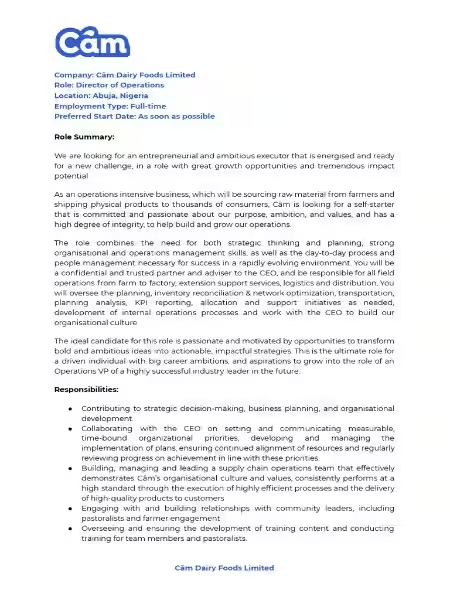
So, you’re aiming for the C-suite? Aspiring to become a Director of Operations (DOO) is a challenging but rewarding goal. This role sits at the heart of any successful organization, demanding a unique blend of strategic thinking, operational expertise, and leadership prowess. But how do you actually get there? This guide outlines the path, highlighting the crucial steps and skills you’ll need to master.
The Director of Operations is a multifaceted role, crucial for ensuring a company runs smoothly and efficiently. It’s not about managing a single department; instead, it’s about overseeing multiple functional areas, knitting them together to achieve overall organizational goals. Think of it as the conductor of an orchestra, ensuring each section plays its part in harmony.
The DOO translates high-level strategic goals into actionable plans for different departments. They’re responsible for ensuring these plans are executed effectively, consistently monitoring progress and adapting strategies as needed. This requires a deep understanding of the entire business, not just individual departments. This holistic view allows the DOO to identify systemic issues and implement solutions that improve overall performance and profitability.
Key Responsibilities of a Director of Operations
A DOO’s responsibilities are broad, varying depending on the industry and company size. However, several core responsibilities consistently emerge:
Strategic Planning and Execution
This involves working closely with senior management to define operational goals aligned with the overall business strategy. The DOO analyzes operational data, pinpointing areas for improvement and developing strategies to boost efficiency, productivity, and profitability. This often includes forecasting future needs and proactively mitigating potential risks. A DOO needs to be a strategic thinker, able to see the big picture and translate that vision into concrete actions.
Process Improvement and Optimization
Identifying bottlenecks, inefficiencies, and redundancies is a major part of the job. The DOO uses methodologies like Lean or Six Sigma to streamline operations, cut costs, and enhance quality. This includes implementing new technologies and systems to improve efficiency. A deep understanding of operational workflows is essential, coupled with the ability to analyze processes and identify areas for improvement.
Leading and motivating a team of managers and supervisors across various departments is critical. This demands strong leadership, communication, and delegation skills. The DOO fosters a collaborative environment, providing constructive feedback and ensuring team members receive adequate training and support. Performance management, from setting goals to conducting reviews, falls under their purview. A DOO is not just a manager; they’re a leader, inspiring their team to achieve shared objectives.
Budget Management and Financial Oversight
Managing operational budgets, ensuring efficient resource allocation, and tracking expenditures are vital. Strong analytical skills are needed to interpret financial data, identify cost-saving opportunities, and make informed decisions regarding resource allocation. This may encompass overseeing procurement processes and negotiating contracts with vendors. Financial acumen is essential for a DOO, allowing them to make informed decisions that impact the bottom line.
Risk Management and Compliance
Identifying and mitigating operational risks and ensuring compliance with regulations and industry standards are increasingly important. This includes developing and implementing risk management protocols, conducting regular risk assessments, and ensuring adherence to all legal and ethical requirements. A proactive approach to risk management is crucial, minimizing potential disruptions and protecting the organization’s reputation.
The Path to Becoming a Director of Operations
The journey to becoming a DOO typically involves a combination of education, experience, and demonstrable skills.
Education and Experience
A bachelor’s degree in business administration, operations management, or a related field is usually the minimum requirement. However, an MBA or other advanced degree significantly enhances career prospects. Extensive experience in operations management, ideally in progressively responsible roles, is crucial.
Essential Skills
Demonstrated skills in strategic planning, process improvement, team leadership, budget management, and problem-solving are essential. Specific certifications, such as Lean Six Sigma or Project Management Professional (PMP), can also be advantageous. Success as a DOO hinges on a blend of technical expertise, leadership capabilities, and a strategic mindset. The role demands a versatile individual capable of juggling diverse responsibilities and driving organizational performance. It’s a demanding role, but one where you can truly make a difference in the success of an organization. The ability to how to become a director of operations effectively comes from a combination of these elements.
This detailed outline should provide a clear roadmap for anyone aiming for a Director of Operations position. Remember that consistent learning, adaptability, and a proactive approach are key to success in this dynamic and fulfilling career path.
Here’s an FAQ section on how to become a Director of Operations, based on the provided information.
What is the role of a Director of Operations (DOO)?
A Director of Operations is a multifaceted leadership role crucial for an organization’s success. They’re responsible for the smooth and efficient day-to-day running of the business, translating high-level strategic goals into actionable plans and ensuring their effective execution across multiple departments. This involves overseeing various functional areas, fostering integrated performance, and ensuring the organization operates efficiently and profitably. The specifics vary greatly depending on the company size, industry, and organizational structure.
What are the key responsibilities of a DOO?
DOOs wear many hats. Core responsibilities include strategic planning and execution (setting operational goals, analyzing data, identifying improvements); process improvement and optimization (streamlining workflows, implementing new technologies, using methodologies like Lean or Six Sigma); team management and leadership (leading and motivating teams, delegating effectively, providing feedback); budget management and financial oversight (managing budgets, tracking expenditures, identifying cost-saving opportunities); and risk management and compliance (identifying and mitigating risks, ensuring regulatory compliance).
What educational background is typically required to become a DOO?
A bachelor’s degree in business administration, operations management, or a related field is usually the minimum requirement. However, an MBA or other advanced degree can significantly boost your chances and open doors to higher-level roles. Relevant experience is often more highly weighted than specific educational credentials.
Extensive experience in operations management, ideally in progressively responsible roles, is crucial. This means demonstrating a clear track record of success in managing teams, projects, and budgets. Experience dealing with process improvement initiatives, budget management, and strategic planning is highly valuable.
What skills are essential for a DOO?
A successful DOO needs a blend of hard and soft skills. Hard skills include strong analytical skills for data interpretation and financial forecasting, proficiency in project management methodologies, and a deep understanding of operational processes and technologies. Soft skills are equally important, encompassing strong leadership, communication, and problem-solving abilities, as well as the capacity to build and motivate high-performing teams.
Are there any certifications that can be beneficial?
While not always mandatory, certifications such as Lean Six Sigma (demonstrating expertise in process improvement) or Project Management Professional (PMP) can significantly enhance your candidacy. These certifications showcase specialized knowledge and commitment to professional development.
What is the typical career path to becoming a DOO?
The path is rarely linear. It often involves starting in operational roles, gradually taking on more responsibility, and demonstrating consistent success in managing teams and projects. Moving into managerial positions, such as Operations Manager or Department Manager, provides crucial experience and prepares you for the broader responsibilities of a DOO. Networking and building relationships within your organization are also vital.
What are the long-term career prospects for a DOO?
A DOO position is often a stepping stone to even more senior roles, such as Chief Operations Officer (COO) and even Chief Executive Officer (CEO). The experience and skills gained as a DOO provide a strong foundation for leadership positions within organizations of all sizes.
This article explores two distinct facets of the term “American Crossing”: the poignant historical drama, Atlantic Crossing, and the extensive cross-country tour, “The Great American Crossing.” Both offer unique perspectives on the American experience, one through the lens of historical romance and the other through the vast landscapes of the United States. Atlantic Crossing: A…
Are you facing unacceptable delays in your immigration case with U.S. Citizenship and Immigration Services (USCIS)? A Writ of Mandamus might be your solution. This article explores the intricacies of using a mandamus USCIS action to overcome these frustrating delays and secure a timely decision on your application. Understanding the Writ of Mandamus in Immigration…
Planning a road trip from San Francisco to Los Angeles? Forget the mundane Interstate 5 – this guide unveils the magic of a scenic drive along the iconic Highway 1, also known as the Pacific Coast Highway (PCH). Get ready for breathtaking coastal views, charming towns, and unforgettable experiences. This journey is less about speed…
The termination of Temporary Protected Status (TPS) for Nepal is approaching, leaving many with questions and concerns about their immigration status. This article aims to clarify the situation, outlining the key implications of the termination and guiding you toward available resources and options. Understanding the Termination of Nepal’s TPS The official termination of Nepal’s TPS…
This article provides a comprehensive guide to understanding the process of making a CPS report in Texas, focusing on recent changes and crucial information for both professionals and concerned citizens. Navigating the system can be challenging, so we’ll break down the key aspects to ensure you know how to act if you suspect child abuse…
Finding the perfect gift can be challenging, but the search becomes even more rewarding when it involves discovering unique and meaningful items. If you’re searching for Salvadoran gifts, you’ve tapped into a rich cultural heritage that offers a diverse range of options. This guide explores the various types of Salvadoran gifts available, highlighting their cultural…