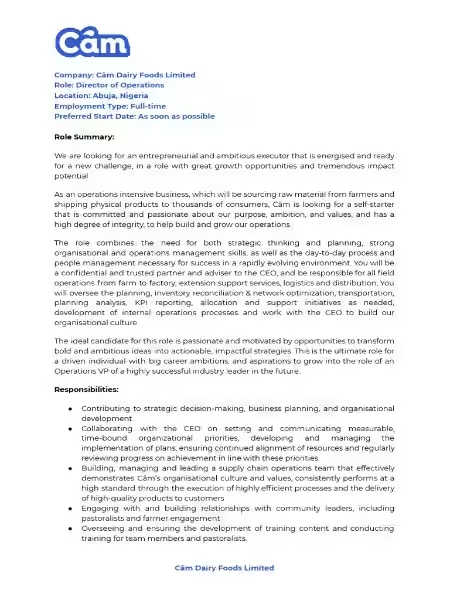
A Construction Operations Manager (COM) is a critical figurehead in the construction industry, responsible for the seamless execution of projects from inception to completion. Their role goes beyond simple reactive problem-solving; it demands proactive planning, meticulous execution, and strategic decision-making throughout the project lifecycle. This article delves into the multifaceted responsibilities, required skill sets, and career prospects of a COM, providing aspiring professionals with a comprehensive understanding of this vital role.
Key Responsibilities of a Construction Operations Manager
The responsibilities of a construction operations manager are vast and demanding, encompassing all aspects of project execution. They are not simply overseeing tasks; they are orchestrating a complex symphony of people, resources, and processes.
This requires a deep understanding of every stage of construction, from initial site preparation to the final handover to the client. A COM must be well-versed in various aspects of project management, including scheduling, budgeting, risk management, and quality control.
A COM’s day-to-day tasks are highly varied and may include:
Material Sourcing and Procurement: Ensuring timely delivery of materials at optimal costs.
Safety Protocol Adherence: Implementing and enforcing strict safety regulations on site.
Team Management: Leading, motivating, and coordinating diverse project teams.
Budget Management: Tracking expenses, forecasting costs, and ensuring projects remain within budget.
Subcontractor Management: Coordinating the work of multiple subcontractors, ensuring seamless collaboration.
Risk Management: Identifying potential risks and developing mitigation strategies.
Technology Integration: Leveraging technology such as Building Information Modeling (BIM) for efficient planning and monitoring.
Client Communication: Maintaining consistent communication with clients, addressing concerns, and ensuring satisfaction.
Essential Skills and Qualifications for a Construction Operations Manager
Becoming a successful construction operations manager requires a blend of technical expertise, management capabilities, and soft skills. The path to this role typically involves a combination of education, experience, and relevant certifications.
Education: A bachelor’s degree in engineering, construction management, or a related field is typically required. Master’s degrees in project management are increasingly preferred by larger firms.
Experience: Eight or more years of relevant experience in construction operations management is essential to demonstrate practical expertise and leadership capabilities.
Certifications: Industry certifications like Certified Construction Manager (CCM), Project Management Professional (PMP), and OSHA Safety Certification significantly enhance career prospects.
Software Proficiency: Familiarity with construction management software such as Procore, Autodesk, or Primavera P6 is crucial for efficient project planning and tracking.
Beyond these formal qualifications, a successful COM possesses a powerful combination of personal and interpersonal skills. These include:
Strong Communication Skills: Effectively communicating with various stakeholders, including clients, project teams, and subcontractors.
Problem-Solving and Decision-Making: Quickly identifying and resolving issues, making timely decisions under pressure.
Negotiation and Conflict Resolution: Successfully navigating disagreements and reaching mutually beneficial agreements.
Leadership and Team Management: Motivating and guiding teams, fostering collaboration, and ensuring accountability.
Adaptability and Flexibility: Adjusting to changing project circumstances and unexpected challenges.
The Difference Between a General Manager and a Construction Operations Manager
It is important to distinguish between a General Manager (GM) and a Construction Operations Manager. While both are leadership roles, their scopes of responsibility differ significantly. A GM oversees the overall strategic direction of the company, while a COM focuses specifically on the operational efficiency and production aspects of construction projects. The COM typically reports directly to the GM or a similar higher-level executive. The COM is the crucial link between strategic planning and on-the-ground project execution.
Career Prospects and Salary for Construction Operations Managers
The construction industry is constantly evolving, driven by infrastructure development and technological advancements. This creates robust employment opportunities for skilled professionals, particularly experienced construction operations managers. The US Bureau of Labor Statistics projects significant growth in the construction management field, exceeding the average growth across all occupations. This positive outlook reflects the consistently high demand for skilled managers who can efficiently manage large-scale construction projects.
The median annual salary for construction managers (including COMs) is substantial and reflects the high level of responsibility and expertise demanded by the role. This makes it a lucrative and rewarding career path for those with the necessary skills and dedication. The specific salary can vary based on experience, location, company size, and project complexity.
Conclusion: The Indispensable Role of the Construction Operations Manager
In conclusion, the construction operations manager plays a pivotal role in the success of any construction project. Their ability to seamlessly integrate planning, execution, and team management is crucial for delivering projects on time, within budget, and to the highest standards of quality and safety. The increasing demand for skilled professionals in this field, coupled with the attractive salary and career growth potential, makes it a highly rewarding and sought-after career path. The multifaceted nature of the role ensures that no two days are the same, demanding adaptability, problem-solving, and strong leadership skills from the construction operations manager.
What is a Construction Operations Manager (COM)?
A Construction Operations Manager is a key leadership role in the construction industry. They are responsible for the efficient and profitable execution of construction projects, ensuring projects are completed on time and within budget. This involves proactive planning, problem-solving, and coordination of all aspects of construction operations from start to finish.
What are the day-to-day responsibilities of a COM?
A COM’s responsibilities are diverse and demanding. They include: managing project teams and subcontractors, coordinating material sourcing and deliveries, overseeing safety protocols, utilizing technology like BIM for efficient planning, managing project budgets, identifying and mitigating risks, tracking resource usage, facilitating planning meetings, and ensuring client satisfaction.
What qualifications are needed to become a COM?
Typically, a COM needs a post-secondary degree in engineering or construction technology. Larger firms often prefer candidates with master’s degrees in project management. Eight or more years of relevant experience in construction operations management are essential. Relevant certifications (CCM, PMP, OSHA Safety Certification) and proficiency in construction software (Procore, Autodesk, Primavera P6) are highly advantageous.
Strong communication (written and verbal), problem-solving, negotiation, and delegation skills are crucial. A COM must be able to effectively report project progress, adapt to changing circumstances, work under pressure, and maintain composure during challenges.
What is the career outlook for COMs?
The US Bureau of Labor Statistics projects significant employment growth for construction managers (including COMs) exceeding the average growth across all occupations.
What is the average salary for a COM?
The median annual salary for a Construction Manager (which includes COMs) is approximately $97,180 (this figure may vary depending on location, experience, and company size).
How does a COM differ from a General Manager (GM)?
While a General Manager oversees the overall business strategy of a company, a COM focuses specifically on the operational efficiency and production aspects of construction projects. The COM reports to a higher authority, such as the GM, acting as a vital link between strategic planning and on-the-ground execution.
What level of experience is typically required for a COM position?
Most COM positions require at least eight years of relevant experience demonstrating effective operations management in the construction industry.
Are certifications beneficial for a COM career?
Yes, certifications such as Certified Construction Manager (CCM), Project Management Professional (PMP), and OSHA Safety Certification are highly advantageous and can significantly improve career prospects.
What type of software proficiency is helpful for a COM?
Proficiency in construction management software such as Procore, Autodesk, and Primavera P6 is highly beneficial for improving efficiency and project management.
The Arrow Foundation is a non-profit organization dedicated to improving the lives of individuals and families affected by multiple sclerosis (MS). This article will explore its multifaceted mission and the crucial role it plays in empowering, supporting, and raising awareness within the MS community. The Three Pillars of the Arrow Foundation The Arrow Foundation’s work…
Obtaining Italian citizenship through descent, often referred to as jure sanguinis, is a process fraught with complexities. While the concept of birthright citizenship Italy, based on ancestral lineage, remains, recent legislative changes have significantly tightened the eligibility criteria. This article aims to illuminate the challenges and provide a clearer understanding of the process. Understanding Jure…
Landing your dream job in the competitive Learning and Development (L&D) field requires a resume that truly shines. This article will guide you through creating a compelling learning and development resume that showcases your skills and experience effectively. Are you ready to elevate your resume and stand out from the crowd? Essential Educational Foundation and…
Choosing the right internet package can feel overwhelming. With so many providers and plans available, it’s easy to get lost in the jargon and confusing details. This article aims to help you navigate the world of internet plans, focusing specifically on how to understand and choose the best Peoples internet packages for your needs. We’ll…
Are you struggling to manage the complexities of syndicated and private loan investments? The high potential returns are undeniable, but the intricate processes and associated risks can be overwhelming. This article explores how SS&C Advent’s Geneva, integrated with SS&C Loan Data, provides a powerful solution to efficiently manage these investments and mitigate inherent risks. Understanding…
Many people struggle financially, often blaming external factors like a poor economy or low wages. But what if the real problem isn’t the money itself, but rather our relationship with it? This is the central idea behind the transformative concept that “el dinero no es el problema tú lo eres.” This article explores this perspective,…