Testicular torture, a term encompassing various forms of abuse targeting the male genitals, demands a careful and nuanced examination. While the term itself evokes strong reactions, understanding its context within different scenarios – from consensual BDSM practices to acts of horrific violence – is crucial. This article aims to provide a comprehensive overview of testicular torture, exploring its diverse forms, potential risks, and implications for both physical and mental health.
Consensual vs. Non-Consensual Testicular Practices
It’s vital to distinguish between consensual and non-consensual acts. Consensual practices, often found within the BDSM community, involve individuals willingly participating in activities that may involve pain or discomfort to the testicles. These activities are carefully negotiated and built on mutual respect and safety guidelines.
Non-consensual acts, on the other hand, constitute torture. These are acts of violence, inflicting pain and suffering without consent, violating human rights and leaving lasting physical and psychological trauma. This distinction is fundamental to understanding the vastly different contexts and consequences associated with the term “testicular torture.”
Consensual BDSM Practices
Within the BDSM community, the exploration of pain and pleasure involving the testicles is sometimes part of consensual sexual activity. This requires open communication, clear boundaries, and a strong emphasis on safety. Many individuals find pleasure in the sensation of controlled pain, humiliation, or the power dynamics involved. However, the potential for harm is significant, and safety must be prioritized.
Non-Consensual Testicular Torture
Non-consensual acts directed at the testicles are categorically acts of torture. They inflict severe pain, often resulting in serious injuries, and leave lasting psychological scars. Such acts are a gross violation of human rights and are punishable under the law. The impact on the victim’s physical and mental health can be devastating, leading to long-term physical damage, PTSD, and other mental health issues.
The Physical Risks of Testicular Trauma
The testicles are highly sensitive organs, and any form of trauma, whether intentional or accidental, can have severe consequences. The potential risks associated with testicular torture, whether consensual or non-consensual, are significant.
Potential Injuries
Testicular rupture: This is a severe injury requiring immediate medical attention. It can lead to permanent damage and infertility.
Testicular torsion: This is a twisting of the spermatic cord, cutting off blood supply to the testis. It requires immediate surgical intervention to prevent the loss of the testicle.
Avulsion: This refers to the tearing away of the testicle.
Bruising and swelling: These are common injuries that can range from mild to severe.
Infection: Infections can occur if the skin is broken.
Loss of function: In severe cases, trauma can lead to permanent loss of testicular function, impacting fertility and hormone production.
Regardless of the context, whether consensual or non-consensual, testicular injury can lead to long-term health complications. These can include chronic pain, infertility, hormonal imbalances, and psychological trauma. It’s critical to seek immediate medical attention for any suspected injury.
Psychological Impact of Testicular Trauma
The psychological impact of testicular trauma extends far beyond the immediate physical pain. The experience can be deeply traumatizing, particularly when non-consensual.
PTSD and Related Conditions
Victims of non-consensual testicular torture are highly susceptible to developing Post-Traumatic Stress Disorder (PTSD), anxiety disorders, and depression. The psychological consequences can be long-lasting and profoundly impact their daily lives.
Sexual Dysfunction
Even in consensual contexts, testicular trauma can lead to sexual dysfunction. Pain, fear, and anxiety can affect libido, arousal, and the ability to achieve orgasm. In cases of non-consensual torture, the psychological impact is significantly amplified.
Shame and Guilt
Victims of non-consensual attacks may experience feelings of shame and guilt, even though they are not responsible for the abuse. These emotions can be very difficult to overcome without professional support.
Seeking Help and Support
If you have experienced any form of testicular trauma, seeking help is crucial. Medical professionals can assess injuries, provide treatment, and address any potential long-term health consequences. Mental health professionals can offer support to address the psychological impact of the trauma. Remember that you are not alone, and help is available.
Resources for Victims of Abuse
Several organizations provide support and resources for victims of sexual assault and torture. These organizations offer confidential counseling, legal assistance, and a safe space to process your experiences. It is essential to reach out for help if you need it. Seeking help is a sign of strength, not weakness.
In conclusion, the term “testicular torture” encompasses a wide range of experiences, from consensual BDSM practices to acts of horrific violence. Understanding this distinction is paramount. Recognizing the potential risks and consequences, both physical and psychological, and seeking appropriate medical and mental health support are crucial for anyone affected. Prioritizing safety, consent, and responsible practices within consensual settings is essential. Victims of non-consensual acts should know they are not alone, and help is readily available.
Frequently Asked Questions about Testicular Trauma and Torture
This FAQ addresses questions regarding testicular trauma, encompassing both consensual BDSM practices and the effects of torture. It is crucial to understand the significant differences between these contexts. Information provided here is for informational purposes only and does not constitute medical advice. Always seek professional medical attention for any injuries or concerns.
What is Cock and Ball Torture (CBT)?
CBT is a form of consensual BDSM sexual activity involving the application of pain or constriction to the male genitals. It’s crucial to emphasize that non-consensual acts are considered torture and are illegal and harmful. Consensual CBT involves techniques like genital piercing, wax play, spanking, squeezing, and more, with pleasure derived from masochism, erotic humiliation, or pleasing a dominant partner.
What are the health risks associated with CBT?
Many CBT practices carry significant health risks, including potential for serious injury such as testicular rupture, torsion, and avulsion. Loss of blood flow leading to numbness, discoloration, and swelling are also serious warning signs. Urethral play carries specific risks if not performed safely. Gradual increases in intensity are crucial to minimize risk. Immediate medical attention is necessary for serious injuries.
What are some common tools and devices used in CBT?
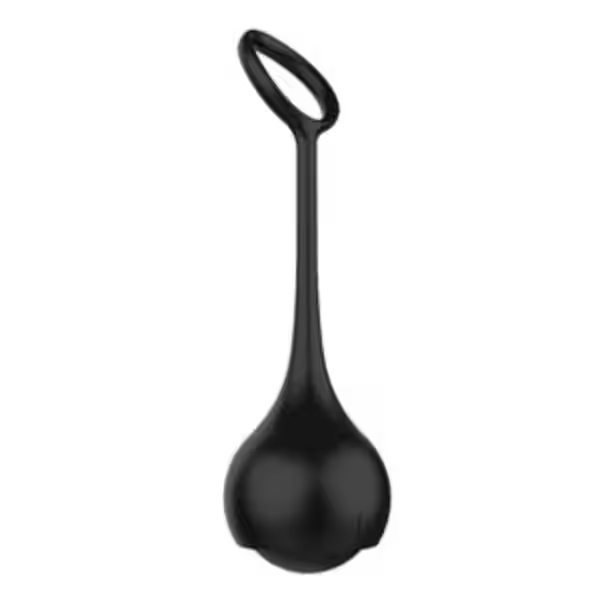
Various tools and devices are used in CBT, enhancing access for both foreplay and inflicting pain/pleasure. Examples include ball stretchers, ball crushers, parachutes, humblers, testicle cuffs, and cock harnesses. These devices can cause harm if misused or overused, particularly through restriction of blood flow. Safe usage requires careful attention to the body’s signals.
What are the effects of torture on testicular function and sexual health?
Studies on torture survivors show a significant impact on sexual health. A notable percentage reports sexual dysfunction, such as reduced libido and erectile dysfunction. However, the precise mechanisms linking torture to these issues remain complex and not fully understood. Research suggests that psychological trauma, long-term stress effects, and potentially other physiological factors may play roles.
Does torture always cause hormonal imbalances leading to sexual dysfunction?
Research does not consistently show a direct correlation between torture and hormonal imbalances. While some studies have found normal hormone levels (testosterone, FSH, LH, etc.) in torture survivors experiencing sexual dysfunction, this does not rule out the impact of torture on sexual health. Psychological trauma and nervous system effects are important considerations.
Is there a correlation between the severity of torture and the likelihood of sexual dysfunction?
Studies have not consistently demonstrated a direct correlation between the severity or duration of torture and the development of sexual dysfunction. This highlights the complexity of the issue, suggesting that factors beyond the immediate trauma contribute to the long-term effects.
What are the long-term effects of testicular trauma?
Long-term effects of testicular trauma can vary greatly depending on the severity of the injury. They can range from mild discomfort and reduced sensitivity to chronic pain, infertility, and psychological trauma. Early medical intervention is crucial to mitigate the long-term consequences.
How is sexual dysfunction in torture survivors treated?
Treatment for sexual dysfunction in torture survivors often involves a multidisciplinary approach. This may include hormonal replacement therapy (if hormonal imbalances are present), psychotherapy to address psychological trauma (PTSD, depression, anxiety), and other interventions tailored to the individual’s needs.
Where can I find more information about consensual BDSM practices?
For information on consensual BDSM practices, responsible organizations and experienced practitioners should be consulted. It is vital to prioritize safety and informed consent in any BDSM activity. Resources focusing on safe BDSM practices can provide valuable information and guidance.
What should I do if I suspect I have suffered a testicular injury?
Seek immediate medical attention for any suspected testicular injury. This includes any pain, swelling, discoloration, or loss of sensation in the testicles. Prompt treatment is crucial to prevent serious complications.
Thinking about an extended trip abroad and wondering about the implications for your green card? You’ll likely need a re-entry permit, and understanding the associated fee is crucial for planning your travel. This article will demystify the process of obtaining a re-entry permit and help you understand the costs involved. What is a Re-Entry Permit?…
Finding the right medical supplies can be challenging, especially when dealing with insurance coverage and the need for specific, often specialized, products. This guide aims to alleviate some of that stress by exploring options available for obtaining medical supplies Spokane WA residents can easily access. We’ll delve into the services offered by different providers, highlighting…
Are you looking for unique, handcrafted home décor that tells a story? Then you might be interested in exploring the vibrant world of Palestinian furniture and home accessories. This isn’t just about furnishing your space; it’s about embracing a rich cultural heritage and supporting artisans. Let’s delve into what makes Palestinian home décor so special….
What does it truly mean to hold the highest calling in the land? David Rubenstein’s “The Highest Calling: Conversations on the American Presidency” delves into this profound question, offering a compelling and insightful exploration of the American presidency through a unique lens. Rather than a dry historical analysis, the book presents a series of engaging…
Finding the right resources when creating a parenting plan in Illinois can feel overwhelming. This article aims to demystify the process, providing information on where to find templates and guidance to help you navigate this crucial step in family law. While this article focuses on the legal forms and resources available, remember that seeking legal…
Are you searching for a rewarding career with excellent earning potential and a supportive work environment? The AO Team of VA, a subsidiary of Globe Life, might be the perfect place for you. This article delves into the opportunities available at the AO Group, highlighting the benefits, requirements, and overall company culture. Immediate Openings and…