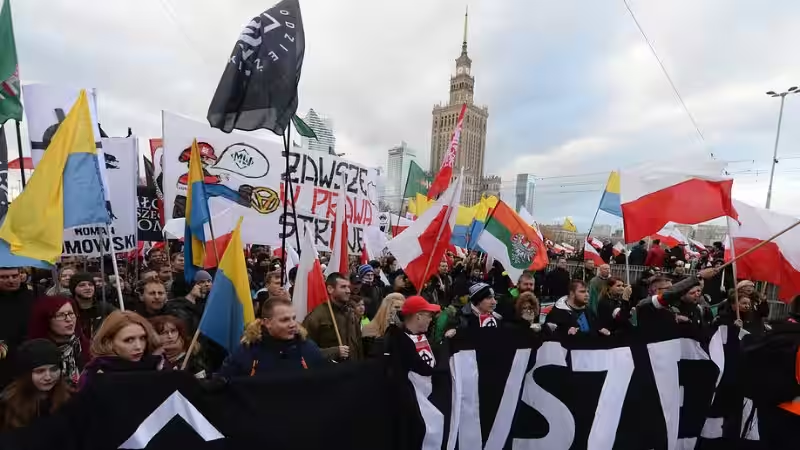
Poland’s history and present are intertwined with complex narratives of tolerance and intolerance, making understanding the issue of Poland racism a multifaceted challenge. While periods of relative peace and coexistence exist, significant prejudice against various minority groups persists, demanding attention and understanding.
Poland’s past has witnessed both periods of peaceful coexistence among diverse groups and severe persecution of minorities. This history significantly shapes contemporary attitudes and behaviors.
For centuries, a substantial Jewish population flourished within Poland’s borders. However, this coexistence was tragically shattered by escalating discrimination culminating in the Holocaust, almost entirely eradicating Polish Jewry. The legacy of this horrific antisemitism remains a potent force in contemporary Polish society, manifesting in ongoing antisemitic incidents both online and offline.
The Roma population has also endured persistent prejudice, often rooted in socioeconomic disparities and fueled by harmful stereotypes. Similarly, Ukrainians, historically a significant part of the Polish population, faced discrimination during periods of serfdom and continue to experience prejudice, particularly as migrant workers. Even the perception of Black people in Poland reflects historical biases found in literature and popular culture, contributing to ongoing discrimination.
Contemporary Manifestations of Racism in Poland
While official statistics on hate crimes fluctuate, a concerning trend emerges. Although police reports showed a decline between 2018 and 2020, a subsequent rise exceeding 2018 levels by 2022 reveals a persistent issue. A significant proportion of these crimes target Jewish people.
Independent organizations, like the Czulent Jewish Association, report even higher numbers of antisemitic incidents, emphasizing the alarming prevalence of online harassment. The actions of far-right figures, such as the disruption of antisemitism seminars and provocative acts during religious holidays, highlight the continued influence of extremist ideologies. Acts of violence, like the firebombing of the Nożyk Synagogue in 2024, underscore the tangible threat of antisemitic violence. Surveys reveal unsettling levels of antisemitic attitudes amongst a segment of the Polish population, although the exact figures vary across studies.
Antisemitism remains a grave concern, exacerbated by online hate speech and an inadequate response from online platforms. The persistence of anti-Semitic violence and discrimination is a serious issue.
Anti-Roma sentiment is frequently intertwined with class-based prejudice, yet racial motivations undeniably contribute to the discrimination faced by the Roma community.
Discrimination against Ukrainians, especially migrant workers, persists. This prejudice often manifests in the workplace and in social interactions.
Racist language towards Black people, while perhaps evolving, remains a concern. Negative portrayals in literature and media perpetuate harmful stereotypes and contribute to discrimination.
The Polish Majority’s Experience with Discrimination
It’s crucial to acknowledge that Poles themselves have endured racism and discrimination, especially during the partitions of Poland when they faced discriminatory policies under German and Russian rule. The Nazi era stands as a particularly horrific example of systemic racism and genocide targeting the Polish population. This shared history of oppression should inform efforts to combat all forms of racism.
Addressing Racism in Poland: Challenges and Opportunities
While the Polish government has launched initiatives to combat racism and xenophobia, their effectiveness has been limited. Insufficient funding and political changes have hindered progress. The need for stronger, consistent efforts from both governmental and societal actors is paramount. The persistent presence of extreme-right political figures adds another layer of complexity to addressing this issue.
Obstacles to Combating Racism
Several factors impede progress in combating racism in Poland. These include:
Insufficient funding: Limited resources hinder the implementation of effective anti-racism programs.
Political instability: Changes in government priorities can disrupt ongoing efforts.
Lack of public awareness: Many Poles may be unaware of the extent and impact of racism.
Influence of extremist ideologies: Far-right groups actively promote racist and xenophobic views.
Inadequate online platform responses: Online platforms often fail to effectively address hate speech.
The fight against Poland racism requires a multifaceted approach involving government initiatives, educational programs, media engagement, and community-led initiatives. Addressing the historical context and contemporary manifestations of racism is crucial for fostering a more inclusive and equitable society. Open dialogue, education, and consistent action are vital steps toward building a Poland where all individuals are treated with dignity and respect, regardless of their background or ethnicity.
Here’s an FAQ section addressing racism in Poland, based on the provided information. Remember that this is a complex issue and these answers offer a simplified overview. Further research is encouraged for a more complete understanding.
What is the historical context of racism in Poland?
Poland’s history includes periods of both coexistence and intense persecution of minority groups. The Holocaust, which virtually eradicated Polish Jewry, is a stark example of this. Roma people have also faced long-standing prejudice, and Ukrainians have experienced discrimination at various points in history. Negative portrayals of Black people in literature and popular culture have also contributed to contemporary biases.
What are some contemporary manifestations of racism in Poland?
Official statistics on hate crimes fluctuate, but show a concerning number of racist and xenophobic incidents, particularly targeting Jewish people. Independent organizations often report even higher numbers, highlighting the prevalence of online harassment. The actions of some far-right figures and incidents like the firebombing of a synagogue demonstrate the tangible threat of antisemitic violence. Surveys reveal worrying levels of antisemitic attitudes among some segments of the Polish population.
Which specific groups face racism in Poland?
Jewish people continue to face significant antisemitism, fueled by online hate speech. Roma people experience prejudice often intertwined with class-based biases. Ukrainians, especially migrant workers, encounter discrimination. Racist language and negative stereotypes directed towards Black people persist. It’s important to note that Poles themselves have historically faced racism and discrimination under foreign rule.
What kind of antisemitic acts are reported in Poland?
Reports include online harassment, physical assaults, vandalism of Jewish institutions, and acts of desecration. The frequency and severity of these incidents vary, but they consistently highlight a significant problem. The lack of effective responses from online platforms exacerbates the issue.
What efforts are being made to counter racism in Poland?
The Polish government has implemented programs to combat racism and xenophobia, but their effectiveness has been limited due to factors like insufficient funding and political changes. More consistent efforts from both governmental and societal actors are needed. The continued presence of extreme-right political figures poses a significant challenge.
Are there any success stories in combating racism in Poland?
While progress has been slow and inconsistent, some civil society organizations actively work to combat racism and promote tolerance. Educational initiatives and awareness campaigns are important steps, although their impact is often hampered by the broader societal context. Increased media attention to hate crimes can also help raise awareness and encourage action.
What role does online hate speech play?
Online hate speech significantly contributes to the spread of racist and antisemitic ideologies, creating a hostile environment and emboldening perpetrators. The lack of effective moderation on online platforms further exacerbates the problem.
What can individuals do to help combat racism in Poland?
Individuals can challenge racist remarks and behaviors, support anti-racism organizations, educate themselves and others about the issue, and promote tolerance and understanding. Supporting organizations working to combat hate speech and provide support to victims is also crucial.
Finding the right companies to handle oil spills effectively is crucial. The environmental and economic consequences of a poorly managed cleanup can be devastating. This article explores the resources available to help you connect with the best oil spill response companies, focusing on both online and offline avenues. Online Resources: Cleanupoil.com – Your Go-To Hub…
The closure of the 24/7 Pathways to Safety International hotline in 2019 left a significant gap in critical support services for Americans facing violence abroad. While the Pathways crisis center’s 24/7 toll-free phone line is no longer operational, understanding the history and current methods of accessing its vital services remains crucial for those who may…
Are you curious about how to easily connect with Discovery and ask questions? Their new WhatsApp service offers a convenient and secure way to do just that. This article explores the benefits and security features of Discovery’s WhatsApp service, helping you understand how it works and what measures are in place to protect your privacy….
Are you 70½ or older and looking for a tax-advantageous way to support your favorite charities? Gifting from your IRA through Qualified Charitable Distributions (QCDs) might be the perfect solution. This guide will walk you through the process, explaining how QCDs work and how you can leverage them to benefit both your financial situation and…
This article delves into a detailed review of an 18-month living experience at Loring Park Flats, located at 330 Oak Grove Street, Minneapolis, MN 55403. The review, while highlighting the desirable location, ultimately paints a concerning picture regarding the building’s maintenance, safety, and overall living environment. This honest assessment aims to help potential renters make…
Many people wonder about the correct punctuation when referring to a past president. Should it be “then-president” or “then president”? This article will clarify the usage based on grammatical rules and common practice. The Grammatical Debate: Hyphen or No Hyphen? The question of whether to hyphenate “then president” hinges on its grammatical function within a…