Are you considering launching a letter-writing campaign to influence political decisions? This article will guide you through the process, from initial planning to follow-up, ensuring your campaign is effective and impactful.
Planning Your Campaign Letter Campaign: Setting Goals and Budget
Before writing a single word, you need a solid plan. This involves defining clear, achievable goals. What specific change are you advocating for? What are the desired outcomes? Are you aiming for a policy change at the local, state, or national level? Understanding your target audience—a local council member is different from a national senator—will significantly influence your approach.
Next, realistically budget your resources. While a campaign letter campaign can be relatively inexpensive, costs can range from minimal printing expenses to more substantial investments in website development or professional services if you need help with outreach or design. Securing funding often relies on organizational donations, as grants typically don’t fund overtly political activities. Sharing postage costs amongst participants can considerably reduce expenses.
Research: Understanding the Issue and Your Target Audience
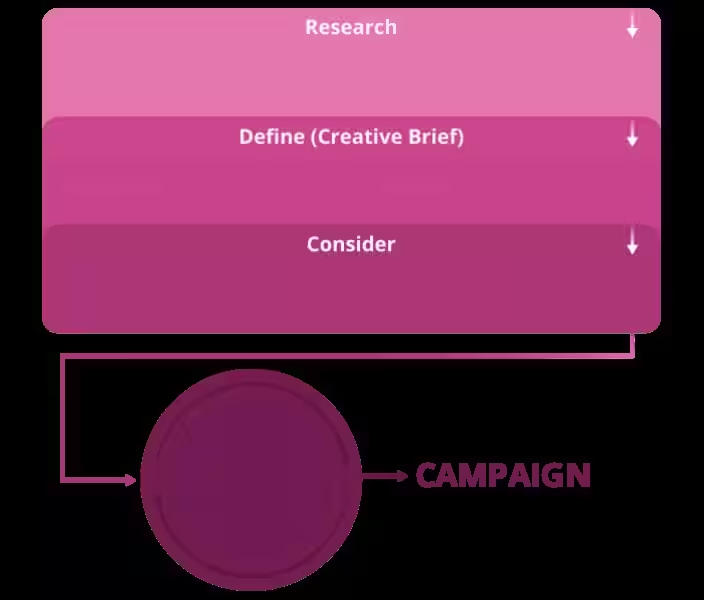
Thorough research is the bedrock of a successful campaign. This goes beyond simply understanding the issue you’re advocating for. You need to present balanced information to your letter writers while clearly emphasizing your chosen position. This ensures everyone is writing from an informed perspective.
Equally vital is researching your target elected officials. Identify their roles, committee memberships, and areas of responsibility to ensure your letters reach the right people. Knowing whether to send a letter to a personal office (for constituent concerns) or a committee office (for policy influence) is crucial for maximizing impact. This targeted approach makes your campaign letter more effective.
Crafting Compelling Campaign Letters: Writing for Impact
The effectiveness of your campaign hinges on the quality of your letters. Provide participants with a sample letter that is concise, focused, and easily personalized. Each letter should clearly identify the writer and their organization, explain the issue’s impact, offer supporting evidence, and include a specific call to action.
Encourage writers to add a personal touch, differentiating their letters from generic form letters. Emphasize the importance of brevity, clarity, factual accuracy, and a personalized message. These elements increase the likelihood of the letter being read and acted upon. Remember, a well-crafted campaign letter is more likely to resonate with the recipient.
Key Elements of an Effective Campaign Letter
Clear Identification: Include your name, address, and any relevant affiliations.
Concise Introduction: Briefly state the issue and its relevance to the recipient.
Supporting Evidence: Provide facts, statistics, or anecdotes to support your claims.
Specific Call to Action: Clearly state what you want the recipient to do.
Polite Closing: Express gratitude for their time and consideration.
Implementing Your Campaign: Maximizing Participation and Outreach
Getting your letters written and sent requires a strategic outreach plan. Consider hosting letter-writing events, setting up tables at public locations, or organizing virtual letter-writing parties. Creating an open letter for public signing can garner significant support and increase visibility.
Utilize online platforms to promote your campaign and make it easy for people to participate. Leveraging social media, email lists, or even securing a celebrity endorsement can greatly amplify your reach. Regardless of the method, efficient tracking of letter output—whether physical mail or email campaigns—is crucial to assess the campaign’s overall success and impact.
Effective Outreach Strategies
Host events: Organize workshops or gatherings to write letters together.
Use social media: Promote your campaign and share updates on progress.
Collaborate with organizations: Partner with like-minded groups to broaden your reach.
Create an online platform: Make it easy for people to sign and submit letters digitally.
Follow-Up: Sustaining Momentum and Building Relationships
Following up is just as important as the initial campaign. Contact participants to share the campaign’s outcomes and encourage their continued involvement. This strengthens your organization’s base and builds momentum for future campaigns.
Furthermore, follow up with the elected officials to express gratitude for their responses. This helps solidify relationships and paves the way for future cooperation. Consider supplementing your letter campaign with follow-up phone calls from dedicated volunteers to further emphasize your message and build stronger connections.
Share results: Inform participants about the campaign’s success and impact.
Thank officials: Express gratitude for positive responses or actions taken.
Plan future campaigns: Use this experience to improve future efforts.
By carefully planning, researching, crafting compelling letters, implementing effective outreach, and diligently following up, you can significantly increase the impact of your campaign letter campaign and achieve your desired political outcomes. Remember, the collective voice of many constituents, expressed through thoughtfully written letters, can truly make a difference.
Campaign Letter FAQ
Here are some frequently asked questions about running a successful campaign letter writing campaign:
What is a campaign letter and why are they effective?
Campaign letters are a cost-effective way to influence political decisions, especially at local and state levels. While some may underestimate their power, a well-organized campaign with timely, informed, and clearly written letters can significantly sway opinions and actions of elected officials. The cumulative effect of many letters demonstrates widespread constituent concern, influencing votes and policy. They also raise public awareness, engage citizens (particularly those who can’t participate physically), and boost the organizing group’s visibility and credibility.
How do I plan a successful campaign letter writing campaign?
Success hinges on careful planning. Define clear goals, considering your target audience (local official vs. national senator) and the necessary letter volume. Create a realistic budget (from minimal printing costs to potential website development and professional services). Funding often comes from organizational donations, as grants rarely fund explicitly political activities. Sharing postage costs among participants helps reduce expenses.
What research is necessary before starting a campaign?
Thorough research is crucial. Understand the issue, presenting balanced information to writers while emphasizing your campaign’s position. Research target officials: their roles, committees, and responsibilities to ensure letters reach the right people. Knowing whether to target a personal office (constituent concerns) or a committee office (policy influence) maximizes impact.
How do I craft an effective campaign letter?
Provide sample letters easily personalized by participants. Letters should be concise and focused, including clear identification of the writer and organization, the issue’s impact, supporting evidence, and a specific call to action. Encourage a personal touch. Use brevity, clarity, factual accuracy, and a personalized message to increase the likelihood of the letter being read and acted upon.
What outreach strategies can I use to maximize participation?
Use creative outreach: host events, set up tables at public locations, organize letter-writing parties, create open letters for public signing, leverage online methods, or seek celebrity endorsements. Maximize participation and streamline the letter-writing process. Track letter output (physical mail or email) to assess reach and effectiveness.
How important is follow-up after the campaign?
Follow-up is essential. Contact participants to share outcomes and engage them in future activities. Follow up with elected officials to express gratitude for positive responses, solidifying relationships and paving the way for future cooperation. Phone calls from volunteers can further amplify the impact.
What are the key benefits of a letter-writing campaign beyond influencing policy?
Beyond influencing policy, letter-writing campaigns offer significant publicity. Letters published in newspapers or sparking public debate broaden reach, educating the public and increasing pressure on decision-makers. They’re also effective for fundraising; personalized letters are far more impactful than emails when soliciting donations.
What are the three key components of an effective campaign letter?
An effective campaign letter includes: a clear description of the issue; a detailed explanation of the problem; and a specific request for action. This structure allows for a clear and concise message that effectively communicates the campaign’s goals.
How can I ensure my campaign letters reach the right people?
Research the specific roles and responsibilities of your target elected officials. Determine whether to send letters to their personal offices (for constituent concerns) or committee offices (for policy influence). Accurate targeting ensures your message reaches the decision-makers who can act on your request.
How can I measure the success of my campaign letter writing campaign?
Track the number of letters sent, the responses received from elected officials, and any observable changes in policy or public opinion related to your campaign’s goals. This data will provide a measure of the campaign’s effectiveness and inform future strategies.
Choosing the right educational path can be daunting, especially when it involves navigating a foreign language and culture. Many aspiring students dream of studying or working in Japan, a country known for its rich culture and dynamic economy. This dream often hinges on mastering the Japanese language, and finding the right institution to guide you…
Are you considering a Movement household membership? Understanding the intricacies of their membership structure is crucial before signing up. This article will break down the key aspects of Movement membership, clarifying the roles of primary and secondary members, pricing tiers, and the implications of cancellation. The Core of Movement Membership: The Primary Member The foundation…
Are you a caregiver looking to immigrate to Canada? Navigating the Canadian immigration system can be complex, especially concerning caregiver programs. This article clarifies the current landscape of Canada’s caregiver immigration pathways, helping you understand which programs are available and how to proceed. The Current State of Canada’s Caregiver Programs The Canadian government recognizes the…
Thinking about expanding your split-level home? Adding space to a split-level house can dramatically improve your living experience, but it’s a project that requires careful planning and execution. This comprehensive guide will walk you through the key considerations for a successful split level addition. Understanding the Unique Challenges of Split-Level Additions Split-level homes, with their…
The International Fuel Gas Code (IFGC) is a crucial document for anyone involved in the design, installation, or maintenance of fuel gas systems. But what exactly is the IFGC, and why is it so important? This article will explore the key aspects of the 2021 IFGC, explaining its purpose and impact. What is the International…
The modern workplace is evolving rapidly, demanding a more strategic and holistic approach to managing people. This shift necessitates a move beyond traditional Human Resources (HR) towards a People & Culture (P&C) model. This article explores the vital role of a People and Culture Director and how this position differs from a traditional HR Director….