Iranian cloth, with its vibrant colors, intricate designs, and rich history, offers a captivating glimpse into the cultural tapestry of Iran. From the flowing robes of ancient royalty to the modern adaptations seen in contemporary fashion, Iranian textiles tell a story of resilience, artistry, and evolving identity. This article delves into the world of Iranian cloth, exploring its historical significance, regional variations, and enduring presence in modern society.
A Journey Through Time: The Historical Significance of Iranian Cloth
The history of Iranian cloth is deeply intertwined with the country’s rich cultural heritage, spanning millennia. Evidence suggests that weaving techniques were developed in Iran as far back as 6000 BC, with wool being a primary material. The Achaemenid Empire (550-330 BC), a period of significant cultural and artistic flourishing, saw the development of distinct styles of clothing reflecting social status, climate, and season. The use of color, fabric quality, and specific draping techniques played a crucial role in signifying rank and social standing. For example, purple was reserved for royalty, highlighting the importance of Iranian cloth as a marker of power and prestige.
The subsequent Median and Sasanian periods further enriched the tradition of Iranian cloth, introducing new fabrics, designs, and methods of embellishment. The use of intricate embroidery, beadwork, and other decorative techniques flourished, transforming garments into wearable works of art. These techniques were not simply decorative; they also served to express regional identities and social affiliations. The meticulous craftsmanship involved in creating these garments speaks to the high value placed upon textiles within Iranian society.
Key Garments and Their Significance
Numerous garments played, and continue to play, significant roles in Iranian culture and are closely associated with specific historical periods or social groups. Some notable examples include:
The Chador: A full-length cloak traditionally worn by women, symbolizing modesty and dignity.
The Qaba: A luxurious robe historically worn by aristocrats, often crafted from fine materials and adorned with intricate embellishments.
The Manteau: A versatile coat, adaptable to various occasions and representing a blend of traditional and modern styles.
Shalvar: Loose trousers, introduced from Persia to other regions, often made in vibrant colors and patterns.
These garments, and many others, offer a fascinating insight into the evolution of Iranian fashion and the enduring importance of Iranian cloth in shaping cultural identity. Each garment carries with it layers of historical and social significance, reflecting the values and beliefs of the wearer and their community.
Regional Diversity: A Tapestry of Styles and Techniques
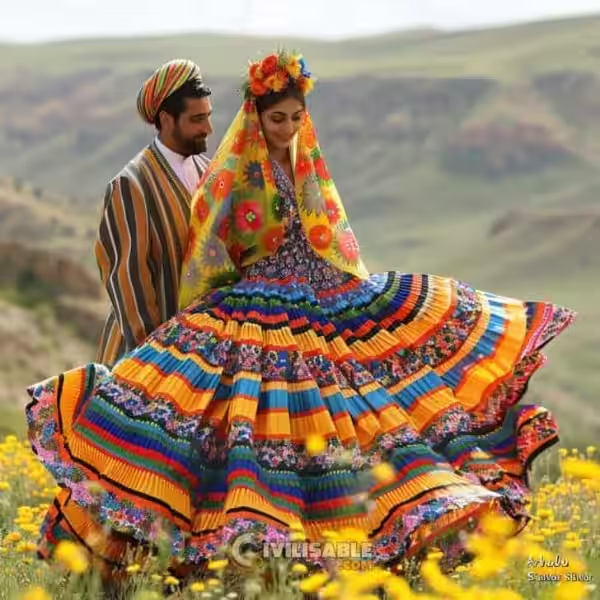
The beauty of Iranian cloth lies not only in its rich history but also in its remarkable regional diversity. Iran’s varied geography and ethnic groups have resulted in a wide array of styles and techniques, each reflecting local traditions and cultural practices. For instance, the clothing of the Baluch people in southeastern Iran shares similarities with the shalwar kameez of neighboring countries, while the Gilan region, situated along the Caspian Sea, boasts distinct pleated shirts and floor-length skirts for women.
Exploring the Regional Variations in Iranian Cloth
The materials used also differ significantly across regions. Wool is prevalent in colder mountainous areas, while cotton is favored in warmer regions. Accessories, such as intricately designed scarves, head coverings, and jewelry, play a crucial role in completing the ensemble, adding further layers of cultural expression and personal style. The use of silver-tissue cloth, such as Khus in Shiraz, highlights the importance of luxury materials and skilled craftsmanship in Iranian textile traditions. The vibrant colors and intricate designs found in the clothing of communities like Abyaneh or the nomadic Bakhtiari and Qashqai tribes showcase the unique creativity and artistry found throughout the country.
Iranian Cloth in the Modern Era: A Fusion of Tradition and Innovation
While traditional Iranian cloth continues to hold significant cultural value, it also plays a key role in modern fashion. Contemporary designers are increasingly incorporating traditional elements into their creations, resulting in a fusion of heritage and innovation. The Persis Collection, which showcases a diverse range of Persian and Iranian women’s clothing, serves as a prime example of this blending of tradition and modernity. The collection demonstrates how traditional garments can be adapted to suit contemporary lifestyles while still retaining their cultural significance.
The Persis Collection emphasizes the versatility and adaptability of Iranian garments, enabling modern women to connect with their cultural heritage while expressing their individual style. By showcasing both historical pieces and contemporary adaptations, the collection highlights the enduring legacy of Iranian cloth and its ongoing evolution. This innovative approach to design not only celebrates the rich history of Iranian textiles but also ensures their continued relevance in the modern world. Ultimately, Iranian cloth represents far more than just fabric; it is a testament to the enduring spirit, artistry, and cultural richness of Iran.
Frequently Asked Questions about Iranian Cloth and Clothing
What is the Persis Collection?
The Persis Collection is a showcase of Persian and Iranian women’s clothing, blending traditional styles with contemporary fashion. It emphasizes the historical and cultural significance of these garments, demonstrating how they reflect the values, beliefs, and lifestyles of Iranian women throughout history. The collection highlights both traditional pieces and their modern interpretations.
What are some examples of traditional Iranian garments featured in the collection?
The collection features iconic pieces like the Chador (a symbol of modesty and dignity), the Qaba (a luxurious robe historically worn by aristocrats), and the Manteau (a versatile coat suitable for various occasions). Flowing skirts with intricate patterns, embellished coats, vibrant scarves, and hats are also key components.
How does the Persis Collection represent the evolution of Iranian women’s fashion?
The collection showcases the adaptability of traditional garments. For instance, the Manteau is presented as a versatile item suitable for both casual and formal settings. Traditional patterns like paisleys and geometric shapes are incorporated into modern cuts for tops and dresses, creating a fusion of traditional and contemporary styles.
What types of materials and accessories are included in the Persis Collection?
The collection utilizes a variety of fabrics suited to different climates and occasions. Accessories play a significant role, including socks often crafted from high-quality materials and featuring traditional patterns, and masks incorporating traditional Persian designs.
Does the collection focus solely on clothing?
No, the Persis Collection aims to offer a comprehensive representation of Iranian women’s attire. It includes a range of accessories like socks and masks, designed to complement the clothing and further showcase Iranian artistry and cultural heritage.
What is the overall message or aim of the Persis Collection?
The Persis Collection aims to celebrate the rich history, cultural significance, and ongoing evolution of Persian and Iranian women’s clothing. It positions these garments as more than just clothing—they are a narrative of Iranian identity and artistry, enabling modern women to connect with their cultural heritage while expressing individual style.
What time periods are represented in the collection’s design inspiration?
While the collection draws heavily from pre-1930s styles, before the modernization efforts of the Pahlavi dynasty, it also incorporates elements that reflect the ongoing evolution and adaptation of traditional garments into the modern era. The focus is on the enduring aspects of Iranian design and the ways in which they continue to inspire contemporary fashion.
Are there regional variations in Iranian clothing reflected in the collection?
While a comprehensive representation of all regional variations isn’t explicitly stated, the description implies that the collection acknowledges the diversity of Iranian clothing styles. The reference to various styles and the use of diverse patterns points to an understanding and incorporation of regional differences in design and fabric choices. The inspiration draws from the overarching traditions and styles that connect Iranian women’s fashion across different regions.
Are you looking for a unique and personal way to celebrate Mother’s Day this year? Forget generic store-bought gifts; create something truly special with the help of Mother’s Day SVG files! This guide explores the world of downloadable SVGs and how they can help you craft unforgettable presents for the mothers in your life. What…
Are you interested in supporting a global organization with a strong local presence? World Vision, a renowned international humanitarian organization, has a significant impact in Chicago and beyond. This article explores World Vision Chicago’s activities, particularly its involvement in the upcoming 2025 Bank of America Chicago Marathon. World Vision’s Mission and Local Impact World Vision’s…
Losing your bail can be a terrifying experience. The sudden threat of incarceration, the potential loss of your bail money, and the added stress of navigating the legal system can be overwhelming. But a revoked bond doesn’t necessarily mean defeat. Understanding the process of bail bond reinstatement in California can give you a fighting chance…
Choosing the right men’s clinic can feel overwhelming. With so many options available in Charlotte, understanding your specific needs and finding a clinic that aligns with those needs is crucial. This article will explore some of the key factors to consider when looking for a men’s clinic Charlotte offers, highlighting the different approaches and expertise…
Understanding the cost of hiring a painter is crucial for any home improvement project. While a simple answer to “how much do painters charge per hour?” is elusive, this article breaks down the factors influencing the final price, helping you accurately budget and compare quotes. Factors Affecting Painter’s Hourly Rate and Total Cost The cost…
Finding a new home is exciting, but often comes with the challenge of furnishing it. If you’re in the Seattle area and have gently used furniture you’d like to donate, you’re in luck! Several organizations gladly accept donations and put them to good use, helping families and individuals in need. This guide will outline some…