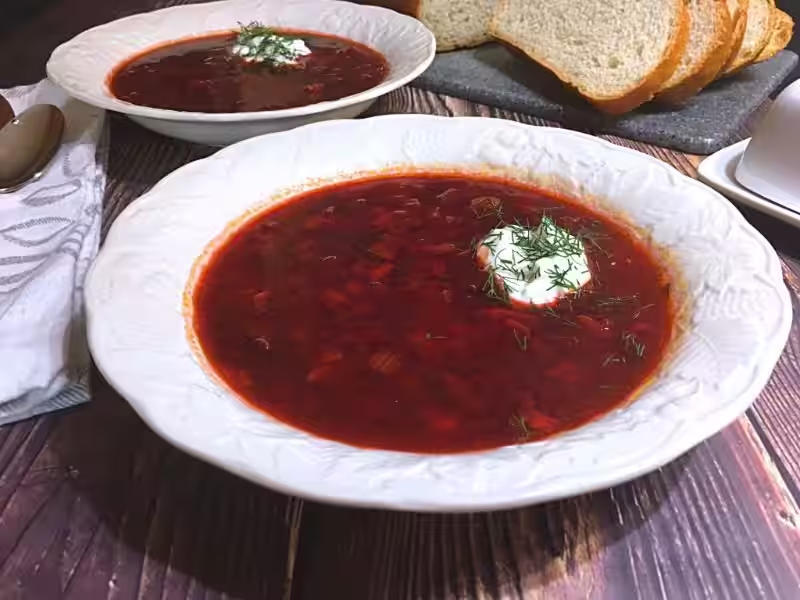
Ukrainian cuisine is a treasure trove of hearty, flavorful dishes, often passed down through generations. This vibrant culinary landscape reflects the country’s rich history and diverse influences. This article aims to explore the fascinating world of Ukrainian recipes, highlighting some iconic dishes and offering a glimpse into the cultural significance embedded within each meal.
Ukrainian cooking is characterized by its emphasis on simple, fresh ingredients, transformed into comforting and satisfying meals. Many recipes have been passed down through families, carrying with them stories and traditions. Let’s delve into some of the most recognizable and beloved dishes.
Borscht, the quintessential Ukrainian beet soup, is a must-try. Its vibrant color and earthy flavor make it a hearty and warming meal, perfect for colder days. There are countless variations, from simple vegetarian versions to richer meat-based soups like the one described earlier, showcasing the adaptability of this classic. The depth of flavor comes from the long simmering process, allowing the beets and other vegetables to release their sweetness and earthiness.
Another staple is Holuptsi (Cabbage Rolls), filled with a savory mixture of meat and rice. This dish represents a labor of love, requiring time and care in the preparation, but the result is a truly unforgettable culinary experience. Often served during special occasions, Holuptsi symbolize the warmth and generosity of Ukrainian hospitality. They are a nostalgic dish for many, evoking childhood memories and family gatherings.
Meat Dishes: Hearty and Flavorful
Pork features prominently in Ukrainian cuisine, representing a source of sustenance and comfort. Braised Pork with Gravy, for example, is a slow-cooked masterpiece, tender and juicy, perfect for a family dinner. The gravy adds another layer of richness and complexity, making it a satisfying and unforgettable meal.
The versatility of meat is also showcased in dishes like Piroshki, savory pastries filled with either cabbage or a delicious combination of beef and cheese. These handheld treats are perfect as snacks or appetizers, offering a delightful mix of textures and flavors. They’re frequently enjoyed at celebrations and gatherings, adding to the festive atmosphere.
Exploring Regional Variations and Culinary Influences
Ukrainian cuisine isn’t isolated; it reflects the country’s interactions and exchanges with neighboring cultures. This exchange is evident in dishes like Chicken Plov, an adaptation of the Uzbek classic, showcasing the blending of culinary traditions. This dish, a flavorful rice dish with chicken and spices, demonstrates the openness of Ukrainian culinary practices.
Olivier Potato Salad, while originating in Russia, is a beloved staple in Ukrainian celebrations. This creamy potato salad, typically studded with pickles, carrots, and peas, is a testament to the shared culinary heritage of the region and to the adoption and adaptation of dishes across borders. It’s often served during holidays, adding a familiar and comforting element to festive gatherings.
Ukrainian Twists on Familiar Dishes
The ingenuity of Ukrainian cooks is evident in their adaptation of classic dishes, adding their own unique touch. A prime example is the Ukrainian twist on Pork Stroganoff, utilizing ground pork rather than beef, further showcasing the resourcefulness and adaptability in Ukrainian cooking. This simple substitution maintains the essence of the dish while introducing a distinctly Ukrainian flavor profile.
Beyond the Main Course: Salads and Sides
Ukrainian cuisine isn’t solely defined by its rich main courses; it’s equally defined by its vibrant salads and side dishes. The use of beets is ubiquitous, appearing in dishes like Vinaigrette Beet Potato Salad, a refreshing and colorful addition to any meal. Pickled Cabbage & Veggie Salad provides a tangy counterpoint, enhancing the overall dining experience.
Ukrainian Breakfast Potatoes, a simple yet flavorful side dish of potatoes, bacon, carrots, and onions, demonstrates the importance of incorporating vegetables into everyday meals. Even simple dishes reveal a richness of flavour and a commitment to using fresh, seasonal ingredients.
Meat & Rice Stuffed Peppers offer a simpler, quicker alternative to cabbage rolls, yet maintain the satisfying flavors and textures that define Ukrainian comfort food. Beef Cutlets with Egg Noodles & Gravy showcase a common method of preparing meat, highlighting the emphasis on rich sauces and comforting side dishes.
Recipe Ukrainian: Accessibility and Culinary Experimentation
The beauty of many recipe Ukrainian lies in their simplicity and accessibility. Many dishes incorporate readily available ingredients, making them easily replicable in home kitchens. Moreover, the recipes often allow for variations, encouraging experimentation and personal touches. Substituting different meats in the meatballs, or altering the ingredients in the salads, allows individuals to personalize these dishes, reflecting their own tastes and preferences.
Ultimately, exploring recipe Ukrainian is more than just cooking; it’s a journey into the heart of Ukrainian culture. It’s about understanding the history, the traditions, and the values embedded within each dish. It’s about connecting with a country’s heritage through the universal language of food. So, embark on this culinary adventure, and discover the delicious world of Ukrainian cooking for yourself – one recipe at a time.
Frequently Asked Questions about Ukrainian Recipes
What makes these Ukrainian recipes unique?
These recipes represent a collection of family favorites, often passed down through generations, showcasing the heartiness and diversity of Ukrainian cuisine. They reflect the author’s personal connection to Ukraine and her family’s immigration story, adding a compelling cultural layer to the culinary experience. The recipes emphasize ease and practicality, making them accessible to home cooks while still honoring the rich culinary heritage of Ukraine.
What kinds of dishes are included in this collection?
The collection includes iconic Ukrainian dishes like Borscht (a hearty beet soup), Braised Pork with Gravy, Holuptsi (meat and rice stuffed cabbage rolls), and Piroshki (savory pastries). It also features dishes with interesting variations or influences from neighboring cuisines, such as Chicken Plov (with a Ukrainian twist), Olivier Potato Salad (a beloved staple in Ukrainian celebrations), and a Ukrainian take on Pork Stroganoff. Beyond main courses, there are salads, side dishes like Ukrainian Breakfast Potatoes, and simpler alternatives like Meat & Rice Stuffed Peppers.
Many of the recipes are designed to be relatively easy and practical for home cooks. The author emphasizes accessibility, and the inclusion of variations and ingredient substitutions encourages culinary experimentation. While some dishes might require more time (like slow-cooked braised pork), others are quicker and simpler to prepare.
What ingredients are commonly used in Ukrainian cuisine, as reflected in these recipes?
Common ingredients include beets (featured prominently in Borscht and Vinaigrette), pork (in several main courses), cabbage (Holuptsi and Pickled Cabbage & Veggie Salad), potatoes (Olivier and Vinaigrette salads), and a variety of meats used in stews and fillings. Pickled vegetables also play a significant role, highlighting the preservation techniques integral to Ukrainian cooking.
Are there vegetarian or vegan options available within this collection?
While many traditional Ukrainian dishes feature meat, the collection offers adaptable recipes. For instance, the vegetarian stuffed cabbage uses eggplant as a meat substitute, and variations are suggested using zucchini or vegan ground meat. Many of the salads and side dishes are naturally vegetarian or easily adaptable to vegetarian or vegan diets. Additionally, adjustments can be made to some recipes to omit or substitute ingredients as needed to suit dietary requirements.
What is the cultural significance of these recipes?
The recipes are not merely dishes; they are a cultural window into the rich culinary heritage of Ukraine. They represent family traditions, historical influences, and the enduring power of food to connect people to their history and identity. The recipes reflect the resourcefulness and creativity of Ukrainian cooks, adapting to available resources and blending culinary traditions across regions and over time. These dishes offer a tangible link to Ukrainian culture and history.
Are you a low-income resident of Western New York facing a legal challenge? Finding affordable legal assistance can feel overwhelming, but help is available. This article explores the vital role of Legal Aid Geneva NY, specifically focusing on the Legal Assistance of Western New York, Inc. (LAWNY), and how their services can support you. Understanding…
The question on many H-1B visa holders’ minds is: how do I transition from my temporary work visa to permanent residency – a Green Card? This guide unravels the complexities of the H1B visa to green card process, providing a clear roadmap for this significant journey. Understanding the H-1B Visa and the Need for a…
Finding the right support system can be crucial for women striving for self-sufficiency. This article explores the landscape of women’s empowerment in Sacramento, CA, highlighting key organizations and the types of assistance they offer. Understanding the available resources is the first step towards achieving personal and professional goals. HandsOn Sacramento’s Regional Center for Volunteerism: Empowering…
Are you looking to maximize your professional development, enhance your career prospects, and save money? Understanding the diverse benefits offered by different AEA organizations can significantly impact your success. This article explores the advantages membership brings across various AEA groups, highlighting the substantial return on investment. AEA Benefits: Boosting Your Career in Evaluation The American…
Finding reliable freshwater sources while cruising can be a major challenge. This is why many boaters are turning to boat desalination plants—devices that convert saltwater into freshwater—to achieve greater independence and peace of mind. This article explores the advantages of these systems, focusing on factors that can help you make an informed decision. The Allure…
Rescue medicine isn’t about dramatic helicopter rescues (though those are a part of emergency medicine!). Instead, it focuses on the immediate treatment of life-threatening or severely debilitating conditions. This article will explore what constitutes rescue medicine, its key components, and when you should seek professional help. What is Rescue Medicine? Rescue medicine encompasses the immediate…