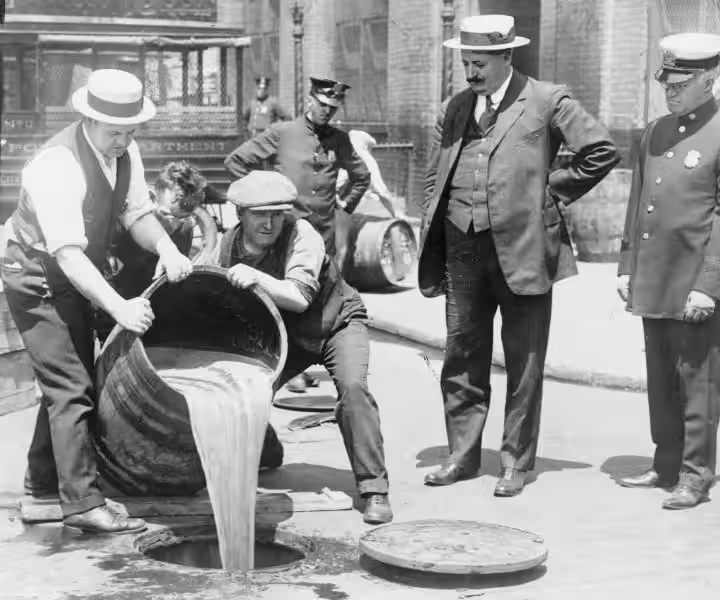
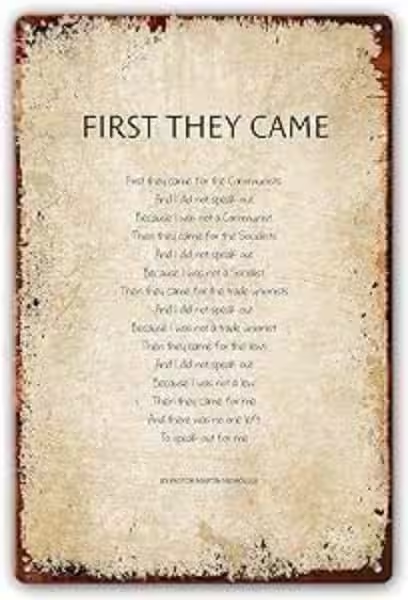
Prohibition posters, a fascinating visual record of a turbulent era, offer a captivating glimpse into the social and political landscape of the 1920s. These aren’t merely historical artifacts; they’re also increasingly sought-after wall art, bringing a unique piece of history into modern homes. But what makes these posters so compelling, and what can they tell us about the era they depict?
The Prohibition era (1920-1933) saw a fascinating dichotomy in its visual propaganda. Government-produced posters, often stark and utilitarian in design, aimed to discourage alcohol consumption through fear-mongering. These prohibition posters typically featured realistic depictions of broken families, poverty, and disease – a direct appeal to the public’s sense of morality and concern for public health. The style was functional, prioritizing clear messaging over artistic embellishment. Think simple, bold fonts coupled with easily understood imagery.
On the other hand, posters created by anti-Prohibition groups or those reflecting the speakeasy culture painted a very different picture. These often romanticized the act of drinking illegally, presenting it as rebellious and glamorous. They were far more stylized, often incorporating Art Deco elements, bold colors, and expressive imagery. These posters celebrated the flapper culture and the thrill of defying the law, showing clandestine parties, stylish individuals enjoying cocktails, and subtle hints at illegal liquor production. The aesthetic was far more sophisticated and visually arresting.
Government Propaganda vs. Speakeasy Chic
The contrast between these two types of prohibition posters is striking. The government’s message was one of fear and moral obligation; the counter-culture message was one of excitement and freedom. This difference reflects the deep societal divisions that Prohibition itself created. The government’s attempts to control behavior through legislation were met with widespread defiance, and this pushback is clearly visible in the visual culture of the time. Examining both sides reveals a multi-faceted narrative far richer than a single perspective could offer. The contrast in artistic styles—functional realism versus stylized modernism—further emphasizes this division.
The artistic styles employed in Prohibition-era posters were as diverse as the messages they conveyed. The government’s posters frequently leaned towards realism and illustration, emphasizing clarity and direct communication. Conversely, posters associated with the speakeasy culture and anti-Prohibition movements often embraced the emerging Art Deco style. This artistic movement, with its geometric shapes, streamlined designs, and emphasis on elegance, perfectly captured the modernity and rebellion of the era’s underground culture.
A Reflection of the Times
The range of artistic styles reflects the broad social and political landscape of the time. The juxtaposition of conservative styles alongside the more modern, avant-garde approaches mirrors the internal conflicts and contradictions inherent in the Prohibition experiment itself. It was a period of significant social change, and the visual record of that change is reflected in the diversity of poster styles. Studying these artistic choices offers a deeper understanding of the complexities of the era.
Prohibition Posters as Modern Wall Art
Today, Prohibition posters have experienced a significant resurgence in popularity as collectible wall art. Their appeal stems from several factors: their historical significance, their aesthetic diversity, and their ability to spark conversation. These posters serve as visual time capsules, offering a tangible connection to a pivotal moment in American history.
More Than Just Decoration
The enduring popularity of these posters speaks to a broader fascination with the Prohibition era. They are not just decorative pieces; they are visual artifacts that allow contemporary viewers to engage with the past on a deeper level. The stark warnings of government propaganda and the stylized imagery of speakeasy culture provide a wealth of visual storytelling, prompting reflection on the social and political tensions of the time. Their aesthetic appeal, ranging from the graphic to the glamorous, ensures there’s a poster to suit a wide range of tastes.
Collecting and Displaying Prohibition Posters
The market for Prohibition posters is diverse, with prices varying depending on rarity, condition, and artistic merit. Authentic posters from the era can command significant prices, while high-quality reproductions provide a more accessible option for those seeking to incorporate this historical art into their homes. Regardless of authenticity, these posters add a unique and conversation-starting element to any interior design.
When collecting prohibition posters, authenticity is key. Look for reputable dealers and auction houses to minimize the risk of acquiring forgeries. Proper framing and storage are essential for preserving the condition of your poster, ensuring its longevity as a treasured piece of history. Researching the history and context of your chosen poster enhances its appreciation and value. The act of collecting these posters is itself an engagement with history, enriching the viewing experience.
Conclusion: A Lasting Legacy
Prohibition posters are more than simply pieces of decorative art; they are powerful visual narratives that reflect the complex social, cultural, and political landscape of the Prohibition era. They showcase the effectiveness—and limitations—of visual propaganda and offer a glimpse into the rebellious spirit of a generation defying the law. Their enduring appeal as collectible wall art demonstrates their lasting cultural significance and the continued fascination with this turbulent and transformative period in American history. The diverse styles and messages found within these prohibition posters remind us of the enduring power of visual communication and the rich tapestry of history they weave.
Prohibition Poster FAQ
What are Prohibition posters?
Prohibition posters are visual artifacts from the US Prohibition era (1920-1933). They represent a diverse range of artistic styles and messages reflecting the complex social and political climate of the time. Some promoted the prohibition of alcohol, while others romanticized its illegal consumption.
What were the different types of Prohibition posters?
There were two main categories: Government-produced posters often used stark realism to warn of alcohol’s negative consequences (family breakdown, poverty, disease). Conversely, anti-Prohibition or speakeasy-themed posters frequently romanticized illegal alcohol consumption, using stylized art (sometimes Art Deco) to portray it as rebellious and glamorous.
What artistic styles were employed in Prohibition posters?
The styles varied widely. Government posters leaned towards realism and illustrative techniques prioritizing clarity. Conversely, anti-Prohibition posters embraced more modern styles like Art Deco, using geometric shapes and streamlined designs to create a bolder, more expressive visual language.
Who was the intended audience for these posters?
The intended audience differed depending on the poster’s message. Government posters targeted the general public, aiming to persuade citizens to support Prohibition. Anti-Prohibition posters likely reached a more specific audience sympathetic to the speakeasy culture and the defiance of the law.
Government posters emphasized the dangers of alcohol consumption, appealing to morality and public health. Anti-Prohibition posters, on the other hand, often romanticized the illegal drinking culture, celebrating rebellion and the thrill of breaking the law. They sometimes subtly promoted illegal liquor production.
Why are Prohibition posters popular as wall art today?
Prohibition posters offer a unique glimpse into a turbulent period of American history. Their aesthetic appeal, ranging from stark warnings to stylized imagery, makes them desirable as collectible wall art. They serve as visual artifacts reflecting the social, political, and cultural tensions of the era.
What is the historical significance of Prohibition posters?
They provide valuable insight into the complexities of the Prohibition era and the power of visual communication in shaping public opinion. Their diverse styles and messages offer a multifaceted perspective on this pivotal chapter in American history. They show the effectiveness (or lack thereof) of propaganda and the cultural shifts during this time.
Where can I find Prohibition posters today?
Authentic Prohibition-era posters are collectible items often found at auctions, antique shops, and online marketplaces specializing in vintage art. Many reproductions are also available for purchase as wall art prints.
Are all Prohibition posters historically accurate?
No. While some posters accurately reflect government campaigns or the realities of speakeasies, others are artistic interpretations or even propaganda, so their accuracy should be considered within the context of their creation.
What makes a Prohibition poster valuable?
The value of a Prohibition poster depends on several factors including its rarity, condition, artistic style, historical significance, and the artist’s reputation (if known). Authentic posters generally command higher prices than reproductions.
Dealing with international checks can feel like navigating a foreign land – filled with unfamiliar customs and potential pitfalls. This guide aims to demystify the process, specifically focusing on how US financial institutions handle these transactions, primarily through the Federal Reserve Bank of Atlanta. Understanding the intricacies of international check processing is crucial for minimizing…
Are you facing unacceptable delays in your immigration case with U.S. Citizenship and Immigration Services (USCIS)? A Writ of Mandamus might be your solution. This article explores the intricacies of using a mandamus USCIS action to overcome these frustrating delays and secure a timely decision on your application. Understanding the Writ of Mandamus in Immigration…
Finding the right candidate for a position is crucial, especially when expanding your business into new territories. For companies looking to hire in Mexico, understanding the complexities of a background check Mexico process is essential. This guide will navigate you through the legal landscape, common practices, and best practices for conducting background checks in Mexico,…
The world of law can seem daunting, full of complex jargon and intricate procedures. But what if learning about the U.S. Supreme Court could be engaging, even fun? That’s the promise of Argument Wars: Supreme Court Simulation, an educational game that aims to transform the often-dry study of constitutional law into an interactive and compelling…
Planning an extended trip abroad as a lawful permanent resident (LPR)? Understanding the reentry permit processing time is crucial to ensuring a smooth return to the United States. This article will guide you through the process, addressing common questions and concerns. What is a Reentry Permit? A U.S. reentry permit is a travel document specifically…
Choosing the right entryway is crucial for both security and curb appeal. When it comes to combining protection with modern aesthetics, puertas de impacto modernas are leading the way. This article will explore the features, benefits, and design considerations of these innovative doors, helping you make an informed decision for your home. The Growing Demand…