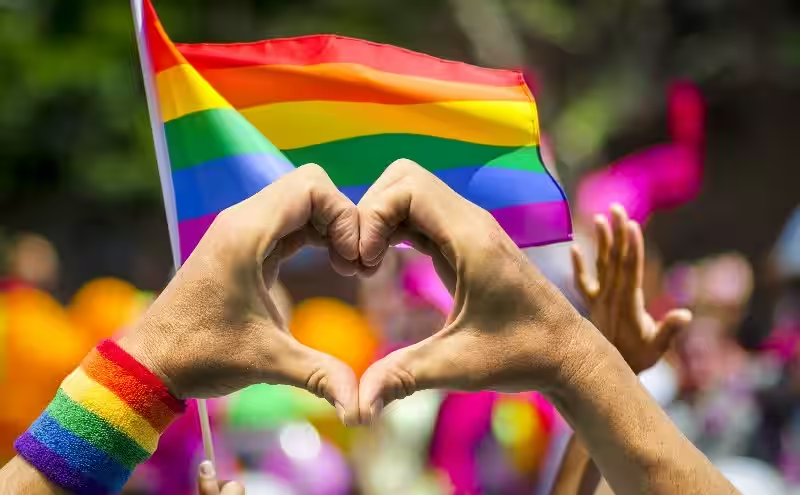
Finding safe and welcoming spaces as an LGBTQ+ traveler can be challenging, especially when venturing beyond familiar territories. While many Western nations boast progressive LGBTQ+ rights, the situation in Africa presents a more complex and nuanced picture. This article aims to provide a balanced and informative overview of the landscape of LGBTQ+ acceptance across the continent, highlighting countries where LGBTQ+ individuals may find a more tolerant environment. It’s crucial to remember that even in more accepting areas, discretion is advised, and safety should always be prioritized.
Navigating the Legal Landscape: Where Homosexuality is Illegal
Homosexuality remains illegal in a significant number of African countries, with penalties ranging from fines and imprisonment to, in the most extreme cases, the death penalty. This legal reality, often rooted in colonial-era laws, significantly impacts the safety and well-being of LGBTQ+ individuals. These laws create an environment of fear and discrimination, making open expression of one’s identity incredibly risky. The severity of punishment varies widely, but the existence of such laws creates a climate of fear, even in areas where enforcement may be less stringent.
It’s important to research the specific laws of any country you plan to visit, understanding the potential consequences of non-compliance. Remember, your safety should always come first. Information from reputable human rights organizations and travel advisories should be consulted before planning any trip. The existence of these laws underscores the need for caution and discretion when traveling in less LGBT friendly African countries.
Beyond the Law: Social Attitudes
Even in countries where homosexuality isn’t explicitly outlawed, social attitudes can be highly conservative and discriminatory. Homophobia, often fueled by religious and cultural beliefs, can lead to harassment, violence, and social exclusion. Public displays of affection, whether heterosexual or homosexual, may be frowned upon or even dangerous, particularly in more rural areas. This social climate adds another layer of complexity to the challenges faced by LGBTQ+ travelers in Africa.
Understanding the cultural context is essential. Respecting local customs and avoiding actions that may be perceived as provocative can help minimize risks. Engaging with local LGBTQ+ communities, if possible and safe, can provide invaluable insights and support. Always prioritize your safety and be aware of your surroundings.
LGBT Friendly African Countries: A Spectrum of Acceptance
While the legal and social landscapes of many African nations pose significant challenges for LGBTQ+ individuals, there are some countries where a more tolerant climate exists. This doesn’t mean complete acceptance or absence of discrimination, but rather a relative increase in safety and acceptance compared to others. It’s crucial to remember that even in these countries, caution and discretion remain paramount.
Southern Africa: A More Inclusive Region?
Southern Africa generally shows a higher degree of relative acceptance compared to other parts of the continent. South Africa, for instance, legalized same-sex marriage in 2006, a landmark achievement in the region. However, even in South Africa, challenges remain, and anti-LGBTQ+ violence still occurs. Other countries in Southern Africa, such as Botswana and Namibia, while not as advanced in legal protections, exhibit comparatively more social tolerance in certain urban areas. This relative acceptance should not be interpreted as complete safety, however.
This does not mean that traveling to these countries is without risk, but it is worth noting that these countries have made some strides towards legal reform and increased social acceptance. Careful planning and research are essential.
Challenges and Cautions: The Importance of Research
It’s vital to emphasize that even in the more LGBT friendly African countries, challenges persist. Discrepancies exist between legal protections and actual social acceptance. Rural areas may be considerably less tolerant than urban centers. Further, even in comparatively more tolerant locations, public displays of affection may still attract unwanted attention.
Therefore, thorough research before traveling is crucial. Consulting travel advisories, contacting local LGBTQ+ organizations (where feasible and safe), and understanding the specific nuances of each region are essential steps to ensure a safe and respectful trip.
Resources and Further Exploration
Information on the legal status and social acceptance of LGBTQ+ individuals in specific African countries is often updated. Staying informed through reputable human rights organizations and travel advisories is crucial. Remember that the situation can change rapidly, and consistent monitoring is advisable. Always prioritize your safety and well-being above all else.
While finding comprehensive, up-to-date information can be challenging, careful research and planning can significantly improve your travel experience. Utilize online resources, consult experts, and connect with local LGBTQ+ communities (where safe) to enhance your understanding of the nuances of your destination. Safe and informed travel is possible, but it requires diligent preparation and a keen awareness of the complexities of the landscape.
Frequently Asked Questions: LGBTQ+ Friendly Travel in Africa
Africa presents a complex landscape regarding LGBTQ+ rights. While some nations are more welcoming than others, understanding the nuances is crucial for safe and respectful travel. This FAQ aims to address common concerns.
Is it safe to travel to Africa as an LGBTQ+ person?
The safety of LGBTQ+ travelers in Africa varies significantly depending on the specific country and region. Some countries have made progress in decriminalizing homosexuality and promoting inclusivity, while others maintain harsh laws and social stigma. It’s crucial to research your destination thoroughly before traveling and to be aware of local laws and customs. Public displays of affection, even between heterosexual couples, may be frowned upon in many areas.
Which African countries are considered relatively LGBTQ+-friendly?
While no African country offers complete legal equality for LGBTQ+ individuals comparable to many Western nations, some are demonstrably more accepting than others. South Africa is a notable example, having legalized same-sex marriage. Certain regions within Southern Africa, including parts of Namibia and Botswana, may also exhibit greater tolerance, but this varies significantly by location and community. However, even in these countries, discrimination can still occur. It is essential to conduct thorough research on specific locations within these countries before travel.
Are there legal protections for LGBTQ+ people in Africa?
Legal protections for LGBTQ+ individuals in Africa are minimal in most nations. Homosexuality remains illegal in numerous countries, with penalties ranging from fines and imprisonment to the death penalty. Even in countries where homosexuality isn’t explicitly criminalized, discriminatory laws or social stigma create significant challenges. South Africa is a notable exception, having robust legal protections for LGBTQ+ rights, including same-sex marriage. However, enforcement and societal acceptance vary greatly across the continent.
What are the potential risks for LGBTQ+ travelers in Africa?
Potential risks for LGBTQ+ travelers in Africa include arrest, imprisonment, violence, and discrimination. These risks are heightened in countries where homosexuality is criminalized. Even in more tolerant regions, social stigma can lead to harassment or subtle forms of discrimination. It’s essential to be mindful of your surroundings and interactions, avoiding public displays of affection and exercising caution in unfamiliar situations.
What resources are available for LGBTQ+ travelers planning a trip to Africa?
Several LGBTQ+ travel organizations offer resources and advice for planning trips to Africa. These resources may include destination guides, safety tips, and information on LGBTQ+-friendly accommodations and events. Additionally, researching specific regions and countries using reputable online resources and contacting LGBTQ+ advocacy groups in those areas can provide valuable local perspectives. Remember that information can be scarce and potentially outdated, so always cross-reference multiple sources.
How can I stay safe while traveling in Africa as an LGBTQ+ person?
Prioritizing safety requires thorough research and careful planning. Research the specific laws and social attitudes towards LGBTQ+ individuals in your chosen destination. Avoid public displays of affection, be mindful of your surroundings, and trust your instincts. Consider connecting with local LGBTQ+ organizations or community members for advice and support. Familiarize yourself with emergency contacts and have a plan in case of harassment or other difficulties.
What is the role of religion and culture in shaping attitudes toward LGBTQ+ people in Africa?
Religion, particularly Islam and Christianity, plays a significant role in shaping public attitudes towards LGBTQ+ individuals in many parts of Africa. Traditional cultural values also contribute to the prevailing views. However, it’s important to note that religious and cultural opinions are diverse, and there are individuals and groups who advocate for LGBTQ+ rights within religious and cultural contexts. Understanding the influence of these factors is essential for navigating cultural interactions respectfully and safely.
What is the current legal status of homosexuality across Africa?
The legal status of homosexuality varies dramatically across Africa. In many countries, same-sex relations are criminalized, with penalties ranging from fines to imprisonment or even the death penalty. Other countries have decriminalized homosexuality, or it is not explicitly addressed in the law, but social stigma and discrimination remain prevalent. South Africa stands out as having legalized same-sex marriage and offering relatively greater legal protections. The legal landscape is constantly evolving, so staying informed about current laws in your intended destination is essential.
Finding screenings for impactful documentaries like “No Other Land” can sometimes feel like searching for a needle in a haystack. This article aims to help you locate screenings of this important film in NYC and provides context to understand its significance. The film, a powerful testament to the resilience of the Palestinian community in Masafer…
Catholic Charities Silver Spring plays a vital role in supporting the local community, offering a wide array of services and programs. But how exactly does this organization function, and how can you get involved? This article will explore the multifaceted approach of Catholic Charities Silver Spring, highlighting its commitment to community support and the diverse…
Thinking about expanding your split-level home? Adding space to a split-level house can dramatically improve your living experience, but it’s a project that requires careful planning and execution. This comprehensive guide will walk you through the key considerations for a successful split level addition. Understanding the Unique Challenges of Split-Level Additions Split-level homes, with their…
Moving to a new city is a big decision, and Washington, D.C. presents a unique set of advantages and disadvantages. This article will explore both sides, helping you determine if the nation’s capital is the right place for you. Naturally, the ideal choice depends heavily on your individual priorities and lifestyle. The Allure of Washington,…
The question of whether an undocumented immigrant can marry a US citizen is a common one, filled with complexities beyond the simple act of matrimony. While the marriage itself is legally permissible under US law, the immigration consequences are significant and require careful consideration. The Legality of Marriage Undocumented immigrants in the United States can…
Are you a California resident currently benefiting from the California Lifeline program and wondering about the renewal process? This guide will walk you through everything you need to know about maintaining your discounted communication services. While specific details are dependent on the official website (which unfortunately requires a Javascript-enabled browser), we can explore the general…