Planning an event is a complex undertaking, and a critical element often overlooked is communication. A poorly executed communication strategy can lead to confusion, low attendance, and ultimately, event failure. So, how do you create an event communication plan that ensures your event runs smoothly and leaves a lasting positive impression? This article will guide you through the essential steps.
Before you even think about email templates or social media posts, you need a clear understanding of your event’s goals. What do you hope to achieve? Increased brand awareness? Lead generation? Driving sales? Knowing your objectives will shape every aspect of your communication.
Next, pinpoint your target audiences. This isn’t just attendees; it includes staff, vendors, sponsors, media, and even potential future attendees. Each group requires tailored messaging and communication channels. Consider creating detailed personas for each audience to help tailor your approach.
Choosing the Right Communication Channels and Tools
Once you know your goals and audience, you need to select the right tools to reach them. Common channels include:
Email: Ideal for pre-event announcements, reminders, and post-event follow-ups.
Social Media: Excellent for building excitement, engaging attendees, and providing real-time updates.
Event Apps: Centralized hub for schedules, maps, speaker information, and networking.
Website: Your primary source of event information; ensure it’s up-to-date and easy to navigate.
Press Releases: For reaching a wider audience through media coverage.
Signage: Essential for on-site navigation and information dissemination.
The selection will depend largely on your event’s size, type, and budget.
Developing a Detailed Communication Timeline
A well-structured timeline is crucial for ensuring timely and effective communication. This should break down communication efforts into three phases:
This phase focuses on building anticipation and providing attendees with all the necessary information to prepare for the event. This includes:
Sending registration confirmations and welcome emails.
Regular email updates with important information (e.g., travel details, accommodation information).
Promoting the event on social media and through other marketing channels.
Providing virtual participation instructions if applicable.
During-Event Communication
Communication during the event needs to be swift and efficient especially for handling unexpected challenges. This could involve:
Using the event app for push notifications about schedule changes or important announcements.
Providing on-site information, either through physical signage or virtual kiosks.
Utilizing social media to answer questions and share highlights.
Implementing a robust crisis communication plan to address unexpected issues.
Post-Event Communication
Post-event communication is just as crucial as pre and during event communication. It allows you to:
Thank attendees for their participation.
Share event highlights, photos, and videos.
Collect feedback to improve future events.
Promote any additional resources, like blog posts or white papers.
Follow up on leads to foster future engagement.
Assigning Responsibilities and Budgeting
Clearly define who is responsible for each communication task. This prevents confusion and ensures accountability. Create a responsibility matrix to illustrate these tasks and their assigned members.
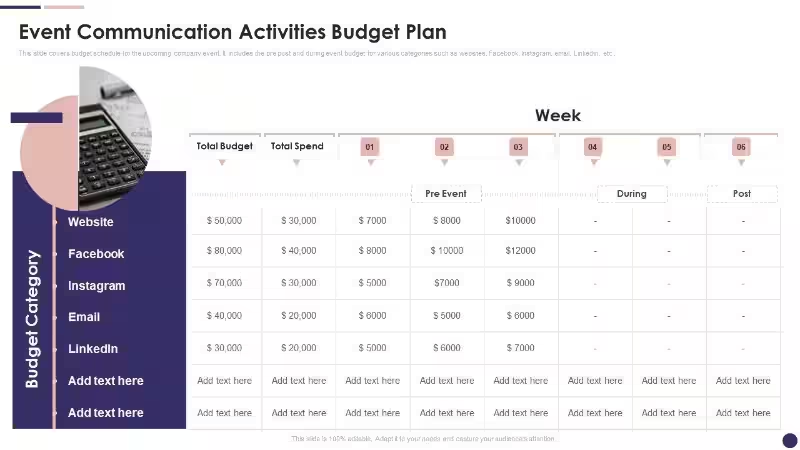
Remember to budget for all communication costs, including software subscriptions, printing, and marketing expenses. This prevents unexpected financial burdens.
Crisis Communication and Feedback Mechanisms
Develop a crisis communication plan to address unexpected issues, such as cancellations or emergencies. This plan should outline communication channels, key messages, and responsible parties.
Establish clear mechanisms for gathering attendee feedback throughout the event, both during and after. Surveys, feedback forms, and social media monitoring are valuable tools.
Post-Event Evaluation and Improvement
After the event, analyze your event communication plan‘s effectiveness. What worked well? What could be improved? Use this analysis to refine your approach for future events. Consider this a living document, constantly evolving and improving based on real-world experience. An event management system can greatly assist in streamlining this process. By incorporating these steps, you’ll transform your event communication from a potential source of stress into a powerful tool for success.
An event communication plan is a strategic document outlining how you’ll communicate with all stakeholders (attendees, staff, vendors, sponsors, media) before, during, and after your event. It ensures everyone receives the necessary information, stays engaged, and contributes to a successful event. It impacts attendee satisfaction and helps achieve overall event goals.
Why is a comprehensive event communication plan important?
A well-structured plan ensures consistent messaging, reduces confusion, and enhances the overall attendee experience. It allows for proactive management of information flow, leading to higher engagement and better event outcomes. It also helps manage potential crises effectively.
What are the key components of a good event communication plan?
A successful plan includes: defining event objectives and target audiences; selecting appropriate communication channels (email, social media, event apps, website, etc.); creating a detailed timeline for communication; assigning responsibilities; developing a crisis communication strategy; incorporating attendee feedback mechanisms; budgeting for communication costs; and conducting a post-event evaluation.
How do I define my target audiences for the communication plan?
Identify all groups who need information: attendees (differentiate by ticket type if applicable), staff, volunteers, vendors, sponsors, media, and speakers. Tailor your messaging to each group’s specific needs and interests.
What communication channels should I use?
Choose channels that best reach your target audiences. Consider email marketing for announcements, social media for engagement, an event app for updates and scheduling, a website for detailed information, and press releases for media outreach. On-site signage is also crucial for in-person events.
How do I create a communication timeline?
Develop a timeline that covers pre-event (building anticipation, answering FAQs), during-event (managing real-time updates and addressing issues), and post-event (thanking attendees, sharing highlights, and gathering feedback) communication. Include specific dates, times, and responsible parties for each communication task.
Develop a proactive crisis communication plan outlining procedures for handling unexpected events (e.g., cancellations, emergencies). Identify key personnel responsible for disseminating information and ensure consistent messaging across all channels.
How do I gather attendee feedback?
Incorporate feedback mechanisms such as surveys, feedback forms (physical and online), and social media monitoring to gather information on attendee satisfaction and identify areas for improvement. Use this feedback to improve future events.
What should my pre-event communication include?
Pre-event communication should build excitement and provide essential information like travel details, registration instructions (including virtual participation details if applicable), and encourage app downloads. Use promotional emails to keep attendees engaged.
What communication is needed during the event?
During the event, utilize the event app for push notifications about schedule changes or important updates. For in-person events, clear signage is crucial. For virtual events, provide clear instructions on using virtual tools. Emails can serve as reminders or recaps.
What should my post-event communication include?
Post-event communication should include thank-you messages, event highlights (photos, videos), links to additional resources, and opportunities to register for future events. This helps maintain engagement and fosters brand loyalty.
How can I measure the effectiveness of my communication plan?
After the event, analyze your communication efforts. Review feedback, track engagement metrics (e.g., email open rates, social media engagement), and assess whether your communication goals were met. Use this data to refine your plan for future events. Consider using an event management system to streamline the process and track key metrics.
Finding exciting things to do in Abilene, Texas, can feel overwhelming with so much to offer! This guide will help you navigate the vibrant calendar of Abilene TX events, ensuring you never miss a beat. Whether you’re a local looking for weekend fun or a visitor wanting to explore the city, this comprehensive overview will…
Do you need to bridge the communication gap between English and Burmese speakers? Finding a qualified Burmese language interpreter is crucial for ensuring accurate and effective communication in various settings. Whether it’s for a medical appointment, legal proceeding, or business transaction, choosing the right interpreter can make all the difference. This article will explore the…
Many individuals wonder how companies genuinely support Diversity, Equity, and Inclusion (DEI). It’s more than just a buzzword; it’s a fundamental shift in organizational culture and practice. This article will explore the various ways companies demonstrate their commitment to DEI, highlighting effective strategies and common pitfalls. Understanding these practices is crucial for both employees seeking…
Inter checks, as suggested by the limited information available, likely refers to a secure, account-based system designed for controlled access and the targeted distribution or management of information. It’s not a public platform; instead, it operates within a closed network, requiring users to register and authenticate before accessing its features. This article will explore the…
Obtaining a pardon can be a complex process, but understanding the requirements and procedures can significantly increase your chances of success. This article focuses on navigating the CT pardon application, specifically addressing the requirements and steps involved in applying for an absolute pardon in Connecticut. We’ll break down the process into manageable sections to make…
Restraint chairs, like the SureGuard® Safety Restraint Chair, are specialized tools used in controlled environments to manage individuals exhibiting combative, self-harm prone, or potentially violent behaviors. While offering a vital safety mechanism, their use requires careful consideration of ethical implications and strict adherence to established protocols. This article aims to provide a comprehensive overview of…