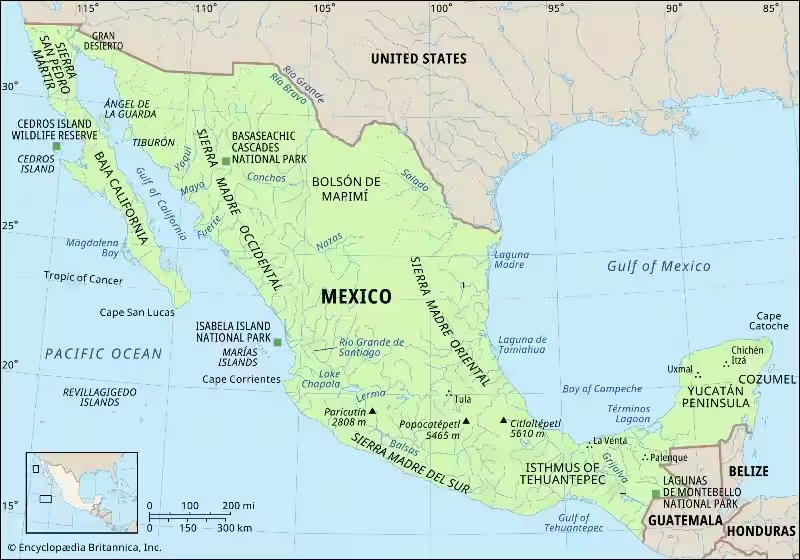
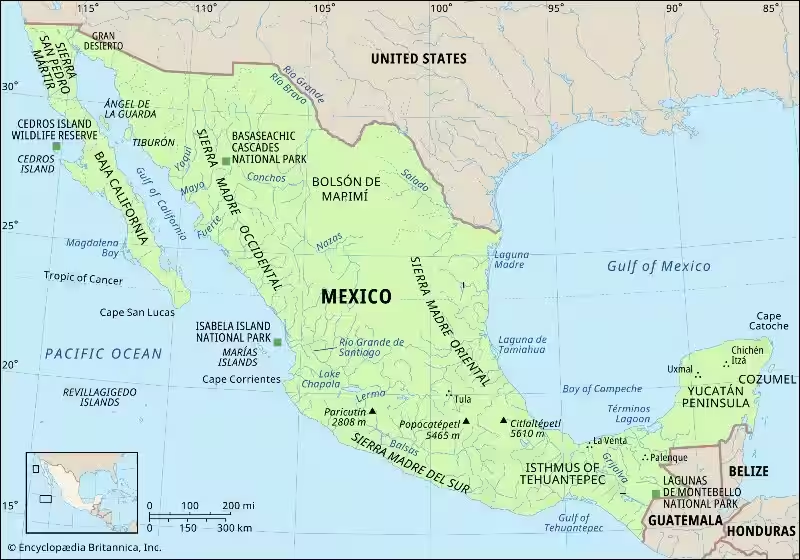
Finding the right candidate for a position is crucial, especially when expanding your business into new territories. For companies looking to hire in Mexico, understanding the complexities of a background check Mexico process is essential. This guide will navigate you through the legal landscape, common practices, and best practices for conducting background checks in Mexico, helping you make informed hiring decisions while adhering to all relevant regulations.
Understanding the Legal Landscape of Background Checks in Mexico
Mexico doesn’t mandate background checks for employment, unlike some other countries. However, most employers consider them a critical part of their due diligence process. This proactive approach helps mitigate risks associated with hiring, ensuring a safer and more productive work environment.
The absence of a federal mandate doesn’t imply a lack of regulations. Mexican labor law, coupled with data privacy laws (such as the Ley Federal de Protección de Datos Personales en Posesión de los Particulares – LFPDPPP), dictates how personal information must be collected, stored, and utilized. Ignoring these regulations could lead to significant legal repercussions.
Key Legal Considerations:
Data Privacy: Always obtain explicit, informed consent from candidates before initiating any background checks. Written consent is strongly recommended to avoid ambiguity. Tacit consent, while potentially legally possible, is not advised due to increased risk.
Non-Discrimination: Background check information must never be used to discriminate against individuals based on protected characteristics under Mexican law.
Data Security: Implement robust security measures to protect the sensitive data collected during the background check process.
Types of Background Checks in Mexico
The specific type of background check you conduct will depend entirely on the position and the level of risk involved. While the specifics aren’t detailed in this guide, common types often include:
Identity Verification: Confirming the applicant’s identity using official documents.
Criminal Background Check: Checking for any criminal records, though access to this information may be limited compared to other countries.
Education and Employment Verification: Confirming educational degrees and previous employment history.
Reference Checks: Contacting previous employers or references to gather additional information about the candidate’s work ethic and performance.
It’s crucial to remember that while some background check elements might seem straightforward, navigating Mexican data protection laws adds a layer of complexity. Every step must be compliant with local regulations.
Conducting Background Checks in Mexico: Best Practices
The process of conducting a background check Mexico requires careful planning and execution. Several best practices can help you navigate the complexities and avoid potential pitfalls:
Obtain Informed Consent: Always secure explicit written consent from the candidate before initiating any background check. This is the most crucial step to ensure legal compliance. Clearly state what information will be collected, how it will be used, and who will have access to it.
Partner with a Reputable Provider: Consider working with a specialized provider experienced in conducting background checks in Mexico. These companies are adept at navigating the legal intricacies and possess the necessary infrastructure for efficient and compliant checks.
Focus on Relevant Information: Only collect information directly relevant to the job requirements. Avoid collecting information that is unnecessary or could lead to discriminatory practices.
Maintain Data Security: Implement strict security measures to protect the collected data from unauthorized access. This includes secure storage, access controls, and data encryption.
Document Everything: Meticulously document all aspects of the background check process, including consent forms, reports, and any communication with the candidate. This detailed record will be invaluable if any legal issues arise.
Understand Local Laws: Stay updated on Mexican labor laws and data protection regulations. Engage legal counsel if necessary to ensure compliance.
Common Mistakes to Avoid
There are common mistakes that can derail the entire background check process. These include:
Failing to obtain proper consent: This is the most significant legal risk.
Collecting irrelevant information: This not only wastes time and resources but might also create legal exposure.
Using unreliable sources: This could lead to inaccurate and potentially damaging conclusions.
Ignoring data privacy regulations: This could result in serious penalties and legal repercussions.
Avoiding these blunders will prevent potential issues and ensure a smooth process.
Conclusion: Navigating the Nuances of Background Checks in Mexico
Conducting effective and compliant background checks in Mexico requires careful consideration of legal requirements and practical considerations. By understanding the legal framework, adhering to best practices, and potentially engaging professional assistance, companies can mitigate risks, make informed hiring decisions, and build a strong and responsible workforce. Remember, proactively addressing these aspects contributes significantly to the overall success of your hiring process in the Mexican market.
What are background checks in Mexico, and why are they important?
Background checks in Mexico are investigations into a candidate’s history to verify their identity, credentials, employment history, and potentially other relevant information. While not legally mandated, they’re crucial for companies, especially multinational corporations, to mitigate risks, ensure due diligence, and make informed hiring decisions. They help verify the information provided by applicants and reduce the chances of hiring someone who might pose a security or legal risk.
Are background checks legally required in Mexico?
No, Mexican law doesn’t mandate background checks for employment. However, they are a common practice, particularly for positions requiring a high level of trust or access to sensitive information. The absence of a legal requirement doesn’t diminish their importance in protecting the company and its assets.
What types of background checks are common in Mexico?
The types of background checks vary depending on the position and company requirements. Common types might include identity verification, criminal record checks (where legally permissible and with consent), education and employment history verification, and potentially credit checks (again, with explicit consent). The specifics of each check are determined by the employer’s needs and legal compliance.
What are the legal requirements and considerations for conducting background checks in Mexico?
Compliance with Mexican data privacy laws is paramount. Before conducting any background check, employers must obtain the candidate’s informed consent, ideally in writing. This consent must explicitly detail what information will be collected and how it will be used. Furthermore, any information gathered cannot be used to discriminate against individuals based on protected characteristics. Employers must also be mindful of the specific state and federal laws governing data collection and usage.
What happens if I don’t get consent before conducting a background check?
Conducting a background check without explicit consent is a violation of Mexican privacy laws and could lead to legal repercussions. While tacit consent might be argued in some limited circumstances, written consent is always the safest and most legally sound approach.
Are there any specific illegal types of background checks in Mexico?
Some types of background checks might be illegal in Mexico depending on the information collected and how it’s used. For example, collecting and using information that could lead to discrimination against protected groups is strictly prohibited. It’s crucial to consult with legal counsel specializing in Mexican employment law to ensure compliance.
How can I ensure my background check process is legally compliant?
To ensure legal compliance, consult with legal professionals experienced in Mexican employment law and data privacy regulations. They can guide you through the legal requirements, help you design a compliant process, and ensure your practices align with the latest laws and best practices. Using reputable background check providers who understand Mexican law is also strongly recommended.
Finding the right support system can be a challenging journey. Many New Yorkers seek assistance in various aspects of their lives, from career development to personal growth. This article explores the landscape of empowerment programs in New York, helping you understand what’s available and how to find the perfect fit for your specific needs. We…
Art, a fundamental aspect of human civilization, reflects our deepest emotions, beliefs, and experiences. From prehistoric cave paintings to cutting-edge digital installations, artistic expression has evolved alongside humanity itself. But how do we unpack this vast and complex history? This article provides a concise yet informative overview, exploring key periods and movements, offering a framework…
Primo International, a name synonymous with quality and craftsmanship in the home furnishings industry, has been making homes more beautiful for over fifty years. This Montreal-based, family-owned business has established itself as a major player on the global stage, supplying trade partners worldwide with a diverse range of high-quality products. But what exactly makes Primo…
Finding the perfect charity event to support in a vibrant city like Los Angeles can feel overwhelming. With so many worthy causes and diverse events, knowing where to start can be challenging. This guide aims to help you navigate the landscape of charity events Los Angeles offers, ensuring you find an opportunity that aligns with…
Navigating a home or building shouldn’t be a challenge. For those using wheelchairs, walkers, or even just pushing strollers, a simple step or threshold can be a significant obstacle. This is where transition threshold ramps come in, offering a seamless transition between different floor levels and significantly improving accessibility. Choosing the right ramp, however, requires…
Landing your dream job as a case manager requires more than just listing your duties; it necessitates showcasing your accomplishments and making a compelling case for your suitability. This guide will walk you through creating a case management resume that stands out from the crowd, regardless of your experience level. The Power of an Accomplishment-Driven…