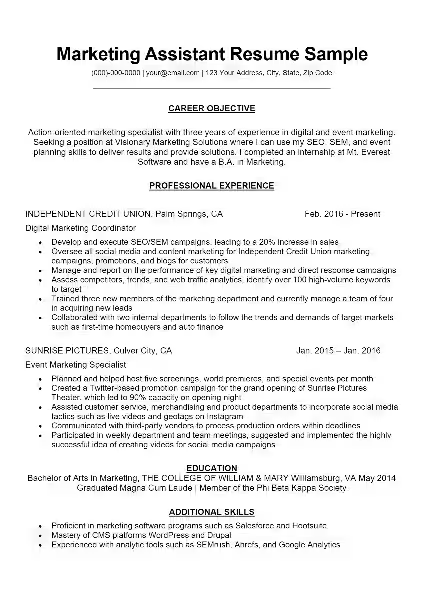
Are you struggling to effectively showcase your analytical skills on your resume? Simply listing “analytical skills” isn’t enough to impress today’s employers. In a competitive job market demanding strong problem-solving abilities, you need a resume that demonstrates your analytical prowess. This article will guide you through the process, equipping you with the strategies to create a compelling analysis skills resume that opens doors to exciting opportunities.
Analytical skills are far more than just a buzzword; they’re the abilities to investigate complex problems, identify root causes, and develop efficient solutions. This involves a blend of hard and soft skills, allowing you to approach challenges strategically and effectively. Let’s break down the key categories:
Creativity and Strategic Thinking
This encompasses your ability to think outside the box and develop innovative solutions. It includes skills like:
Brainstorming novel approaches
Optimizing existing processes for efficiency
Developing predictive models to anticipate future trends
Restructuring inefficient systems
Creating strategic plans to achieve long-term goals
Integrating diverse ideas and concepts into cohesive solutions
The key here is to demonstrate your capacity to find non-obvious solutions and drive innovative progress. Don’t just list these skills; show how you’ve applied them successfully.
Critical Thinking and Problem Solving
Critical thinking forms the core of effective analysis. It involves objectively evaluating information, identifying biases, and drawing sound conclusions. Relevant skills include:
Process management and optimization
Auditing systems for efficiency and accuracy
Benchmarking performance against industry standards
Big data analytics and interpretation
Case analysis and problem diagnosis
Understanding causal relationships and correlations
Deductive and inductive reasoning
Troubleshooting technical issues and identifying root causes
Data interpretation and insightful conclusions
Highlighting your ability to dissect complex situations, identify key issues, and develop logical solutions is crucial. Show how your critical thinking has led to positive outcomes.
Communication and Collaboration
Effective communication is essential for sharing your analysis and collaborating with others. This includes:
Active listening and understanding diverse perspectives
Clear and concise reporting of findings
Conducting surveys and gathering data effectively
Collaborative teamwork and building consensus
Strong verbal and written communication skills
Persuading others to adopt your recommendations
Delivering compelling and informative presentations
Remember, your analytical insights are only as valuable as your ability to communicate them effectively. Demonstrate your communication skills throughout your resume.
Data Analysis and Interpretation
This category focuses on your ability to extract meaning and insights from data. Relevant skills include:
Observation and data collection
Business analysis and market research
SWOT analysis and competitive landscape assessment
Cost analysis and budgeting
Credit analysis and risk assessment
Financial analysis and forecasting
Industry research and trend identification
Policy analysis and impact assessment
Predictive analytics and forecasting
Process analysis and improvement
Qualitative and quantitative data analysis
Return on Investment (ROI) analysis
Employers value candidates who can effectively interpret data and use it to inform decision-making. Quantify your accomplishments whenever possible.
Integrating Your Analytical Skills into Your Resume
Now that we’ve defined the various components of analytical skills, let’s explore how to effectively showcase them on your resume. Remember, showcasing, not simply listing, is key.
Crafting a Powerful Resume Summary/Objective
Start with a compelling summary or objective statement that highlights your key analytical achievements. Quantifiable results are essential. For example, instead of saying “Improved efficiency,” say “Increased efficiency by 15% through process optimization.”
Showcasing Analytical Skills in Your Work Experience
Use the STAR method (Situation, Task, Action, Result) or the ATM method (Action Verb, Task, Metric) to describe your accomplishments. Focus on the analytical processes you used and the quantifiable outcomes you achieved.
Tailoring Your Skills Section
Include specific analytical skills mentioned in the job description. Tailor this section to each application. Distinguish between hard skills (e.g., data analysis) and soft skills (e.g., problem-solving).
Highlighting Achievements (Optional)
An optional achievements section can further demonstrate your analytical skills with quantifiable results from work, volunteer activities, or academic pursuits.
Highlight relevant coursework, degrees, minors, and certifications that demonstrate your analytical capabilities.
Conclusion: Demonstrate, Don’t Just Declare
The key to a successful analysis skills resume is demonstrating your abilities with concrete examples and quantifiable results. By using the strategies outlined in this article, you can effectively showcase your problem-solving capabilities and significantly increase your chances of landing interviews and securing your dream job. Remember, your analysis skills resume should tell a story of your analytical successes – a story that resonates with potential employers and highlights your value. Don’t just list your skills; demonstrate them.
How can I effectively showcase my analytical skills on my resume?
Simply listing “analytical skills” is insufficient. You need to demonstrate them using concrete examples and quantifiable results that highlight your problem-solving abilities. Focus on showing the value you brought to previous employers through your analytical thinking. Use the STAR method (Situation, Task, Action, Result) or the ATM model (Action Verb, Task, Metric) to describe your accomplishments in your work experience section.
What are some examples of analytical skills I can include?
Analytical skills encompass a wide range of abilities. Categorize your skills for clarity:
Critical Thinking: Process management, auditing, benchmarking, big data analytics, case analysis, causal relationships, comparative analysis, correlation, deductive/inductive reasoning, diagnostics, dissecting, evaluating, data interpretation, troubleshooting.
Data Analysis: Observation, business analysis, SWOT analysis, cost analysis, credit analysis, financial analysis, industry research, policy analysis, predictive analytics, process analysis, qualitative analysis, ROI analysis.
How should I structure my resume to best highlight analytical skills?
Resume Summary/Objective: Start with a concise summary highlighting key analytical achievements and quantifiable results (e.g., “increased market share by 20%”).
Work Experience Section: Use the STAR or ATM method to describe accomplishments, emphasizing the analytical processes and quantifiable outcomes.
Skills Section: Include specific analytical skills from the job description, tailoring it to each application. Differentiate between hard (e.g., data analysis) and soft skills (e.g., market prediction).
Achievements Section (Optional): Showcase significant accomplishments with quantifiable results from work, volunteer activities, or academics.
Education Section: Highlight relevant degrees, minors, certifications, and coursework that demonstrate analytical skills.
The STAR method helps you structure your accomplishments. Situation (context), Task (your responsibility), Action (what you did), Result (quantifiable outcome). This allows you to clearly demonstrate your analytical process and its impact.
What is the ATM method, and how is it different from STAR?
The ATM method (Action Verb, Task, Metric) provides a more concise way to describe achievements. It focuses on the action you took, the task involved, and the measurable result. It’s particularly useful for quickly highlighting accomplishments.
Why are quantifiable results so important?
Quantifiable results demonstrate the tangible impact of your analytical skills. Using numbers (e.g., percentages, dollar amounts) proves the value you brought to previous roles, making your accomplishments more impressive to potential employers.
How can I tailor my resume for different job applications?
Review each job description carefully and identify the key analytical skills mentioned. Then, tailor your resume’s skills section and work experience descriptions to highlight those specific skills and relevant accomplishments. This shows the employer you understand their needs and possess the required abilities.
What if I lack extensive experience in demonstrating analytical skills?
Even with limited experience, you can still showcase analytical abilities. Focus on projects, academic work, volunteer activities, or even personal endeavors where you applied analytical thinking and problem-solving. Highlight the skills you used and the positive outcomes you achieved, even if they weren’t in a professional setting. Quantify your results whenever possible.
Finding yourself in a situation requiring immediate action regarding your child’s safety and well-being can be incredibly stressful. Understanding your options within the Massachusetts legal system is crucial. This article aims to clarify the process of obtaining an emergency custody order in Massachusetts, focusing on the vital role of a “Motion for Temporary Orders.” Understanding…
Finding reliable and skilled interpreters is crucial for effective communication across language barriers, especially in regions like the Pacific where linguistic diversity is significant. This article addresses common questions and concerns regarding accessing and utilizing interpreter services, focusing on online portals and the support systems available. We will explore best practices for managing your interpreter…
Paying your taxes on time and correctly is crucial to avoid penalties. This is especially true when it comes to estimated taxes, which many Massachusetts residents are required to pay throughout the year. This comprehensive guide will walk you through the process of making mass estimated tax payments in Massachusetts, clarifying the methods, deadlines, and…
Choosing a healthy and effective energy bar can feel overwhelming. With so many options on the market, how do you determine which bars truly deliver on their promises? This guide will help you navigate the world of energy bars, focusing on identifying “possible bars” – those that provide substantial nutritional benefits and satisfy your hunger…
Understanding the complete molecular weight of a protein, without fragmenting it, is crucial in various scientific fields. This is achieved through intact mass analysis, a powerful technique primarily utilizing mass spectrometry (MS). This article will explore the intricacies of intact mass analysis, its applications, and the advantages it offers over other methods. What is Intact…
Choosing the right mug or tumbler can be surprisingly meaningful, especially when it reflects your faith. Whether you’re looking for a religious cup for personal use, a gift for a loved one, or items to stock your church’s gift shop, understanding the nuances of design, material, and messaging is key. This guide will delve into…