Many professionals working in fields like healthcare, education, and social work regularly face challenging situations that escalate into crises. How can we better understand and respond to these situations to minimize harm and promote positive outcomes? This article explores the invaluable tool of the crisis development model, providing a framework for effective intervention and de-escalation.
The Four Stages of the CPI Crisis Development Model
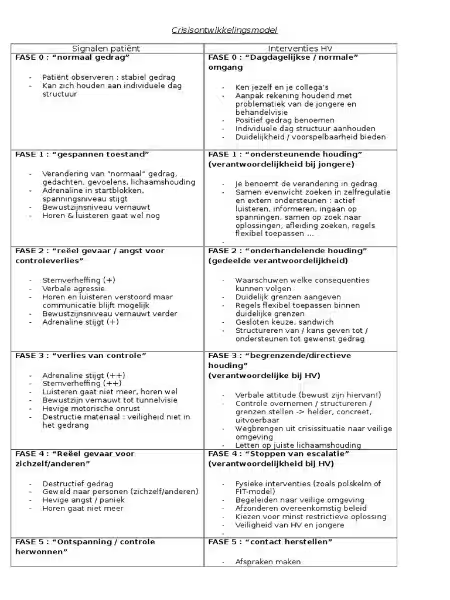
The Crisis Prevention Institute (CPI) Crisis Development Model offers a powerful framework for understanding and managing escalating behavioral situations. Instead of viewing these situations as simply emergencies requiring immediate suppression, this model reframes them as opportunities for intervention and positive outcomes. It achieves this by outlining four distinct behavioral levels, each requiring a specific and escalating approach to de-escalation.
The beauty of this model lies in its proactive nature. By recognizing the subtle shifts in behavior at each level, professionals can intervene early and prevent the situation from escalating into a full-blown crisis. This preventative approach not only protects those involved but also significantly reduces stress and improves the overall well-being of both the individual in crisis and those responding.
Level 1: Anxiety
The initial stage, anxiety, is often subtle but crucial to recognize. It manifests as noticeable changes in an individual’s typical behavior. This might include increased restlessness, irritability, changes in vocal tone, or increased physical tension like fidgeting or pacing. At this stage, the appropriate response is a supportive and understanding approach – empathetic support focused on building rapport and diffusing the escalating tension before it progresses.
A simple act of acknowledgement—a calm, quiet approach, acknowledging the individual’s distress, and offering support without judgment—can often be enough to prevent the situation from escalating further. The key here is to create a safe space where the individual feels heard and understood. Remember, all behavior is communication; understanding the underlying distress is paramount.
Level 2: Defensive Behavior
If anxiety is not addressed, it typically escalates to defensive behavior. This stage is characterized by more pronounced displays of tension and resistance. Individuals may exhibit nervous pacing, verbal aggression (arguing, shouting), or a general feeling of being challenged or threatened. The individual’s non-verbal cues become even more apparent at this stage.
Clear, direct communication becomes crucial at this level. It’s important to maintain a calm and assertive demeanor, providing the individual with a sense of safety and control. Offering clear, concise instructions and providing choices within safe limits can help them regain composure and de-escalate the situation. The focus shifts from empathy to providing clear direction and structure.
Level 3: Risk Behavior
Level three marks a significant escalation, where the individual’s behaviors pose a potential threat of harm to themselves or others. This might involve verbal threats, physical aggression, property destruction, or self-harm behaviors. This stage necessitates immediate safety interventions.
Safety protocols and risk mitigation strategies become the central focus. It is vital to prioritize the safety of everyone involved while maintaining a controlled, assertive approach. This may involve physical interventions if necessary, always adhering to established safety procedures and employing techniques practiced through proper training. This stage emphasizes controlled and necessary interventions to protect everyone involved.
Level 4: Tension Reduction
The final stage, tension reduction, represents the post-crisis phase. This is a period of physical and emotional depletion for the individual involved. It’s vital to approach this stage with care and understanding, offering appropriate therapeutic support and debriefing.
This stage isn’t just about the individual; it’s equally important to debrief staff involved. This allows for a reflective process, fostering growth and improved understanding of the events. Processing the experience collectively can enhance professional skills, promote resilience, and improve the ability to respond effectively in future situations. The focus transitions to healing and processing the experience for everyone involved.
Applying the CPI Crisis Development Model in Practice
Effectively utilizing the CPI Crisis Development Model requires training and practice. It necessitates understanding individual baselines, recognizing subtle behavioral changes, and mastering de-escalation techniques appropriate to each level. Organizations frequently offer CPI training programs providing the necessary tools and skills to handle escalating situations safely and effectively.
This model is not a rigid algorithm; it’s a flexible framework adapted to the unique circumstances of each situation. It emphasizes the importance of proactive intervention, early identification of escalating behaviors, and a compassionate approach that prioritizes the well-being of all involved. By understanding the stages of the crisis development model, professionals can transform potentially harmful situations into opportunities for growth and improved care.
The ultimate goal is to prevent crises from escalating, promoting positive outcomes, and enhancing the safety and well-being of both the individuals in crisis and the staff who support them. The proactive nature of this model empowers professionals to anticipate potential challenges, respond effectively, and foster a more supportive and secure environment for everyone. The CPI Crisis Development Model represents a significant shift towards a more compassionate and effective approach to crisis management.
Frequently Asked Questions: The CPI Crisis Development Model
What is the CPI Crisis Development Model?
The CPI Crisis Development Model is a framework that reframes crisis response. Instead of viewing escalating situations solely as emergencies, it positions them as opportunities for intervention and positive outcomes. The model outlines four distinct behavioral levels, each requiring a specific, escalating approach to de-escalation. This proactive approach improves the care, welfare, safety, and security of individuals involved.
What are the four levels of the CPI Crisis Development Model?
The four levels are:
Anxiety: This initial stage is characterized by noticeable behavioral changes indicative of rising tension.
Defensive Behavior: Anxiety that is not addressed escalates into defensive behaviors, where individuals feel challenged and may exhibit nervous pacing or other signs of distress.
Risk Behavior: This level involves actions posing a potential threat of harm to the individual or others, necessitating safety interventions.
Tension Reduction: The post-crisis phase, focusing on rebuilding rapport, providing therapeutic support, and debriefing for both the individual and staff involved.
How does the model help in managing crises?
By understanding these four stages, staff can proactively manage crises and respond effectively at each level. This prevents escalation and promotes positive outcomes. The model shifts the focus from a reactive to a proactive approach, transforming potentially harmful situations into opportunities for growth and improved care.
What is the appropriate response at the Anxiety level?
At the Anxiety level, empathetic support is crucial. The goal is to diffuse escalating tension before it progresses. A supportive and understanding approach often prevents the situation from worsening. Active listening and addressing underlying needs are key components of this stage.
What is the appropriate response at the Defensive Behavior level?
Clear, direct communication is essential at this stage. Providing a sense of safety and control helps the individual regain composure. The focus shifts from empathy to providing clear direction and structure, while still maintaining a respectful and non-judgmental approach.
What is the appropriate response at the Risk Behavior level?
This level requires the implementation of safety interventions to minimize harm and ensure the safety of everyone involved. A more assertive, yet controlled approach is necessary, prioritizing safety protocols and risk mitigation strategies.
What happens during the Tension Reduction phase?
The Tension Reduction phase focuses on rebuilding rapport with the individual and providing therapeutic support to facilitate healing and processing the experience. Debriefing for both the individual and staff is important for reflection and improved understanding of the events.
How does this model improve the well-being of individuals?
By providing a structured framework for intervention and post-crisis support, the model improves the well-being and safety of individuals. It empowers staff to respond effectively, preventing escalation and fostering a sense of safety and security.
How does this model benefit staff?
The model enhances the professional skills and resilience of staff. By understanding the four levels and appropriate responses, staff are better equipped to handle crises, leading to improved confidence and reduced burnout. The debriefing process also allows for learning and professional growth.
How does the CPI Crisis Development Model differ from other crisis models?
While other models like the Interactional or Ecological Models consider broader factors influencing crises, the CPI Crisis Development Model offers a clear, structured, four-stage approach that is easily applicable in various settings. The choice of model depends on the specific context and complexity of the situation.
Choosing the right educational resources can be a daunting task for educators. Finding materials that align with curriculum standards, engage students, and cater to diverse learning needs requires significant time and effort. This article explores Shell Education, a provider of resources aimed at making teaching easier and more effective. We’ll delve into what Shell Education…
The Citizen brand is synonymous with innovation and quality in the watchmaking world. But beyond the sleek designs and precise movements lies a deeper commitment: sustainability. This commitment is embodied in their Eco-Drive technology, a core element of many Citizen watches, including those featuring a distinctive “citizen green face.” This article explores the intersection of…
A procurement assistant plays a vital role in any organization, ensuring the smooth flow of goods and services. This multifaceted position blends analytical skills, communication prowess, and a deep understanding of procurement processes. If you’re considering a career as a procurement assistant, this article will explore the key responsibilities, required skills, and career path opportunities….
Navigating US immigration law can be incredibly challenging, especially when dealing with issues of unlawful presence. This article aims to clarify the complexities surrounding the 10-year bar, focusing on the implications of accumulating unlawful presence and how it affects your ability to re-enter the United States. We’ll break down the key legal sections and offer…
Navigating the H-1B visa process can be daunting, and understanding the associated costs, particularly the H-1B attorney fee, is crucial for proper planning. This guide will help you understand the various fees involved and what to expect when working with an immigration attorney. H-1B Visa Fees: A Breakdown The total cost of obtaining an H-1B…
Dreaming of exploring Europe’s enchanting cities, but the cost of flights from Salt Lake City seems daunting? You’re not alone! Many travelers find the prospect of a transatlantic journey from the heart of the American West a significant financial hurdle. However, with a little research and the right tools, you can find surprisingly affordable flights….